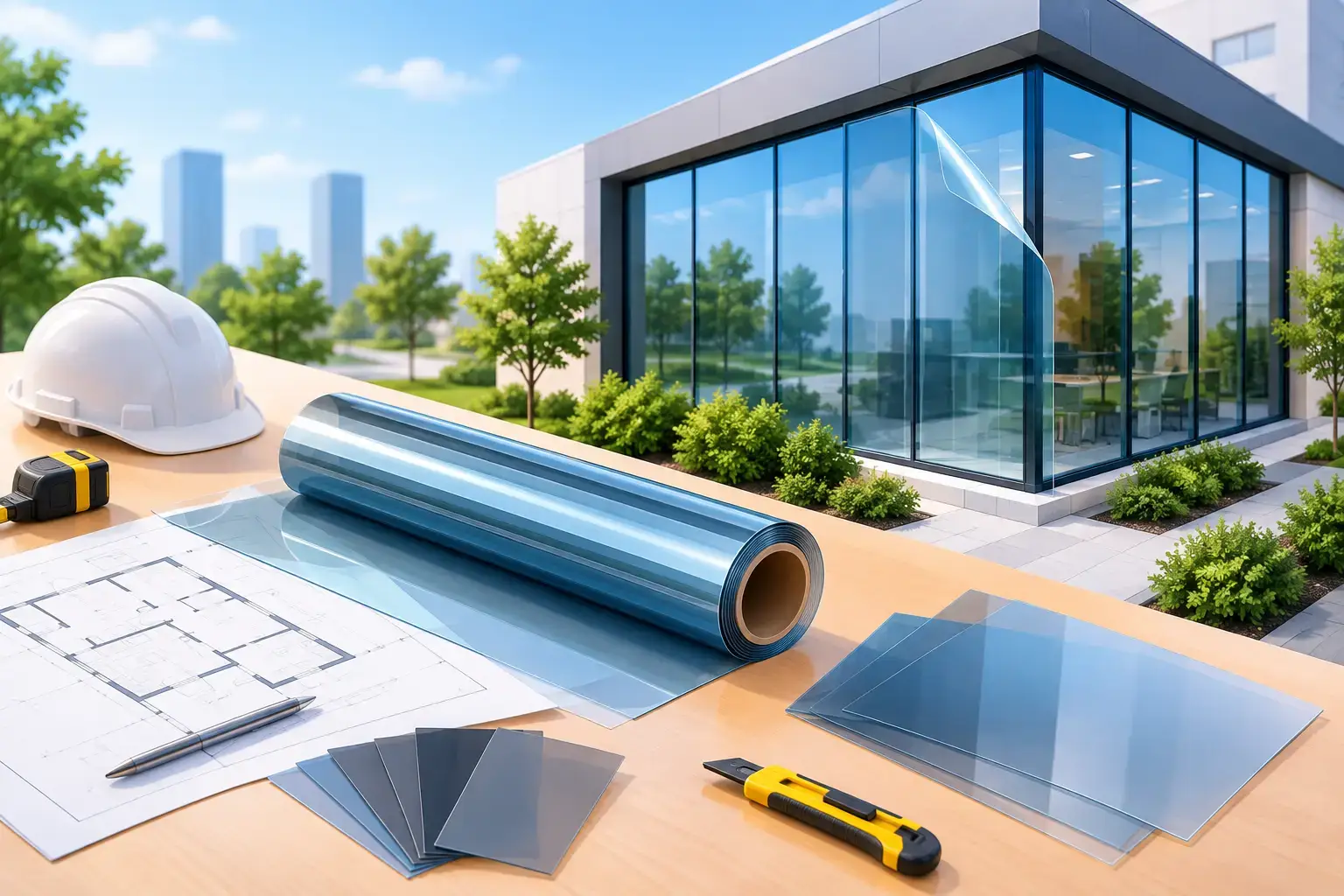
A bright room can be a major selling point until the afternoon sun turns it into the warmest, most glaring part of the building. 3M Prestige film is designed for owners and managers who want meaningful heat and glare control without making windows look dark, reflective, or overly tinted from the outside.
That balance is what makes Prestige different. It is often chosen for view-facing homes, offices with extensive glass, retail spaces, and other properties where natural daylight matters as much as cooling comfort. The right film selection and a precise installation can make a noticeable difference in how a space feels throughout the day.
What Makes 3M Prestige Film Different?
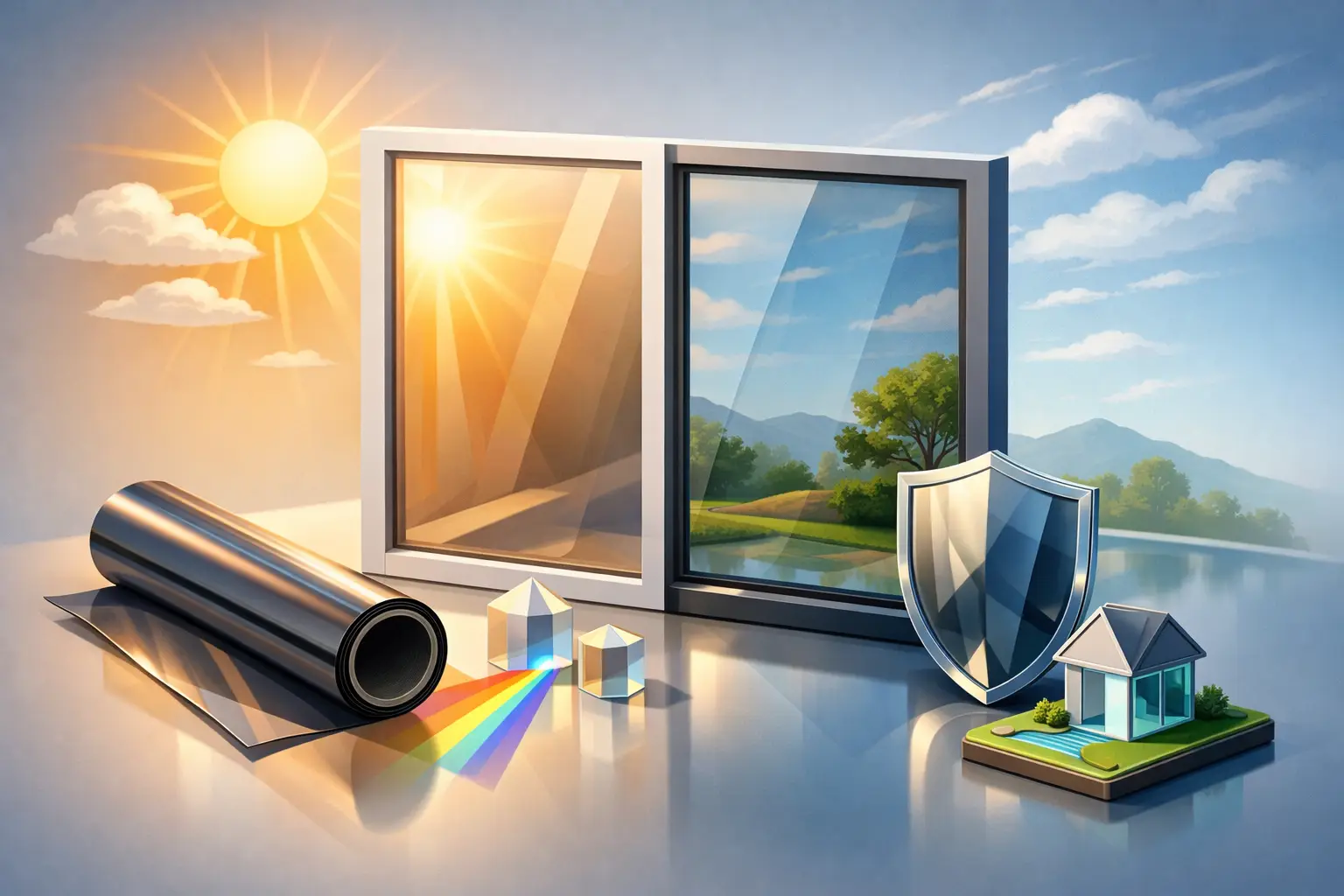
3M Prestige window film uses multilayer optical film technology rather than relying on a metalized construction. In practical terms, this helps the film reject a significant amount of solar heat while maintaining a neutral appearance and strong visibility. It is engineered to manage infrared energy, reduce glare, and block up to 99.9% of UV rays, depending on the specific product selected.
Many traditional solar films achieve heat reduction by becoming darker or more reflective. That can be effective, but it may change a building’s exterior appearance, reduce daylight more than expected, or interfere with the look of a carefully designed space. Prestige is built for projects where performance needs to feel less visible.
For a homeowner with a coastal view, that may mean less afternoon heat without covering the glass in a mirror-like finish. For an office manager, it can mean fewer complaints about sunlit workstations while preserving a clean, professional facade. For a retail operator, it may help protect merchandise and reduce glare on displays without making the storefront feel closed off.
The Benefits You Can Expect From 3M Prestige Film
The most immediate benefit is improved comfort near windows. Solar heat can make perimeter rooms difficult to use, even when the rest of the property feels properly cooled. By reducing the amount of solar energy passing through the glass, Prestige film can help lessen hot spots and ease the strain placed on air conditioning during sunny periods.
Glare reduction is equally valuable. Glare is not just an inconvenience when watching television or working at a computer. In commercial environments, it can affect employee productivity, visibility on screens, and the usability of meeting rooms. At home, it can make a living room, kitchen, or home office far less enjoyable at certain hours of the day.
UV protection is another reason property owners consider film. Sunlight can contribute to fading on hardwood floors, rugs, furnishings, artwork, packaging, and display materials. No window film can stop all fading because heat, visible light, and indoor lighting also play a role. Still, blocking a high percentage of UV radiation is a meaningful part of a broader strategy to protect interiors.
Prestige films also appeal to owners who care about aesthetics. The line includes options with different visible light transmission levels, allowing a film specialist to balance daylight, heat reduction, privacy, and exterior appearance. A nearly clear option may suit a premium residence with expansive glass, while a slightly darker choice may be more appropriate for a conference room or sun-exposed commercial space.
A clearer view than many darker solar films
Not every property needs the darkest film with the highest possible heat rejection. A dark film may be an excellent fit for a space with extreme glare or a strong privacy requirement, but it can alter the character of a room. Prestige is often the better conversation when the goal is to keep the view and daylight while improving solar performance.
This is especially relevant in Southern California and Northern California, where large windows are a defining feature of many homes and commercial properties. The goal is usually not to shut out the sun. It is to make sunlight easier to live and work with.
Where Prestige Film Makes the Most Sense
Prestige film is a strong candidate for buildings with clear glass, broad sun exposure, and rooms that are regularly occupied close to windows. Common applications include living rooms with west-facing glass, home offices, glass-walled conference rooms, waiting areas, medical offices, lobbies, and premium retail spaces.
It can also be useful when a building has uneven comfort from room to room. If one side of the property consistently heats up or produces glare while the HVAC system performs adequately elsewhere, film can be a focused improvement. It addresses solar exposure at the glass rather than asking the cooling system to compensate for it all day.
For commercial properties, consistency matters. A carefully selected film can help create more usable desk space near windows, reduce screen glare in meeting rooms, and support a more comfortable customer experience. On a multi-window project, uniform installation and color consistency are just as important as the film’s published performance figures.
What 3M Prestige Film Does Not Solve
Premium solar film is a practical upgrade, but it is not a cure for every glass-related issue. It will not replace failed insulated glass units, repair damaged seals, eliminate drafts from poorly fitted windows, or correct an undersized HVAC system. If glass has cracks, chips, moisture between panes, or significant seal failure, those conditions should be evaluated before film is installed.
It also does not function as a privacy film at night when interior lights are on. If nighttime privacy is the main concern, decorative privacy film, frosted film, or a different window treatment may be a better fit. Likewise, if the primary objective is holding broken glass together after impact, a dedicated safety and security film should be considered rather than treating a solar film as a security solution.
There is also a trade-off between visible light and solar control. In general, films that reject more glare and heat may reduce more daylight. A professional recommendation should account for how the room is used, which direction the glass faces, existing shading, window type, and the appearance you want from both inside and outside.
Why Glass Compatibility and Installation Matter
The best film choice can still become the wrong choice if it is applied without considering the existing glass. Solar film changes how glass absorbs and releases heat. Depending on the window construction, pane configuration, coatings, and condition, the wrong product may create unnecessary thermal stress.
That is why a proper assessment should identify whether the glass is single-pane, dual-pane, tempered, laminated, tinted, or coated. The installer should also inspect for pre-existing damage, edge issues, seal concerns, and obstacles such as divided lites or hard-to-reach elevations. These details affect product selection, pricing, installation methods, and long-term results.
Precision installation matters visually, too. On high-visibility windows, clean edges, careful trimming, thorough surface preparation, and appropriate curing expectations are essential. Window film is applied with a solution and needs time to dry fully. Temporary haze, small water pockets, or a slightly different appearance during the curing period can be normal, particularly in cooler or more humid conditions.
A meticulous installer will explain what to expect before the work begins, protect the surrounding area, and leave the glass clean and professionally finished. That level of communication is especially valuable on occupied homes, offices, healthcare environments, and retail spaces where downtime and disruption need to stay minimal.
How to Choose the Right Prestige Film Shade
The best shade is not automatically the lightest or the darkest. It depends on what you are trying to improve. A room with intense late-day glare may benefit from more visible light reduction. A property with valuable views and moderate heat concerns may favor a lighter, more neutral option.
Start by identifying the problem at the times it is most noticeable. Is the issue heat on a west-facing wall, glare on computer monitors, fading near a display window, or discomfort in a sunroom? Then consider the view, the existing window construction, the amount of natural light you want to preserve, and any exterior design standards that apply to the building.
Samples are useful, but they should be viewed against the actual glass and in the actual light conditions whenever possible. A film can look different on a sample board than it does on a large insulated window facing direct afternoon sun. A site consultation gives you a more reliable basis for choosing performance and appearance.
Is 3M Prestige Film Worth the Investment?
For properties where clear views, daylight, and solar comfort all matter, Prestige film can be well worth the investment. Its value is not simply in making windows darker. It is in improving the performance of existing glass while preserving the open, polished look that made the windows desirable in the first place.
The exact return depends on the property, sun exposure, film selection, energy use, and how much the affected spaces are used. Some clients prioritize reduced cooling demand and UV protection. Others care most about glare control or creating a more comfortable workspace. In many cases, the everyday improvement in comfort is the result people notice first.
If your windows are making certain rooms hot, bright, or difficult to use, the most helpful next step is a professional evaluation of the glass and the exposure. A well-matched film should solve a specific problem, fit the look of the property, and continue performing long after installation day.