
The short answer: if you need privacy day and night and still want daylight, use a frosted or decorative film that diffuses light. If you only need privacy during the day and want to keep your view, a reflective or dark solar film can do it, but it stops working once your lights are on after dark.
Most privacy problems at home come down to one or two windows: a bathroom that faces the neighbor’s yard, a front door with clear sidelights, a bedroom close to the street, or a wall of glass that people walk past. Curtains and blinds solve the view problem by blocking the window, which is exactly what most people are trying to avoid. Window film lets you treat only the glass that needs it, with a level of privacy matched to the room.
The key is choosing the right type of film for when you need privacy. There are two very different kinds, and mixing them up is the most common reason people end up disappointed.
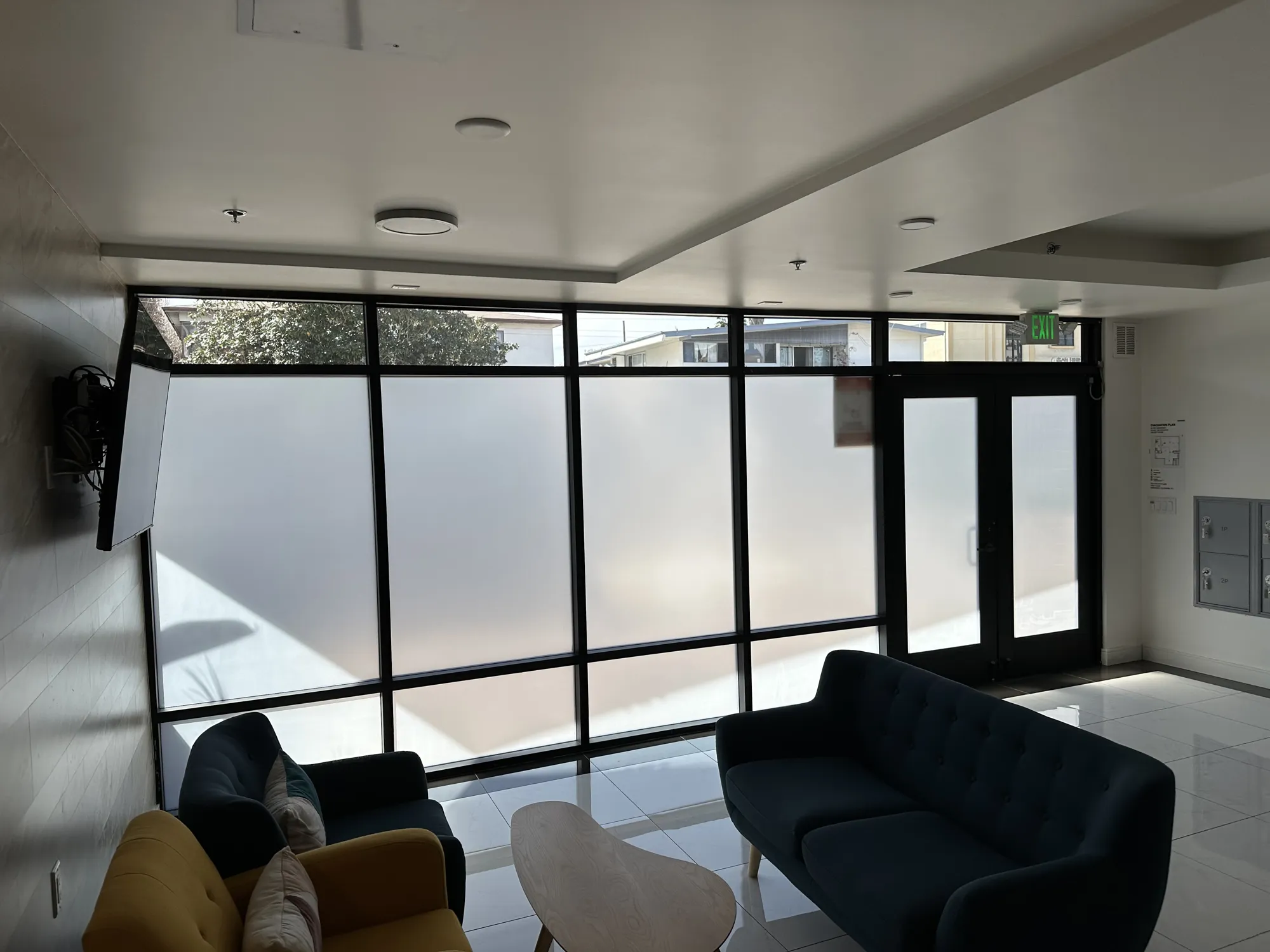
Two kinds of privacy film
Frosted and decorative film: privacy day and night
Frosted film gives clear glass the look of sandblasted or etched glass. Light passes through, but shapes and detail don’t, so the view is blocked in both directions whether it is brighter inside or outside. That makes it the right choice for rooms where privacy matters around the clock.
Frosted films still let in a lot of daylight. Madico lists its Frost Matte film at 67% visible light transmitted, with at least 99% UV rejection. 3M’s Crystal Glass Finishes specification lists Dusted Crystal, a lighter etched look, at 85% visible light transmittance. The lighter the frost, the more light you keep and the softer the privacy. A dense, whiter frost hides more but reads as more of a solid surface.
Decorative films go beyond a plain frost. Options include:
- Bands: a frosted stripe at eye level, with clear glass above and below.
- Gradients: frosted at the bottom, fading to clear at the top, so you keep the sky and treetops.
- Patterns and textures: lines, reeded or linen looks, and other designs that add privacy and a finished appearance.
- Opaque white or black: for glass that needs no view and little or no light, such as a storage room or a window behind a cabinet.
Reflective and dark solar film: daytime privacy only
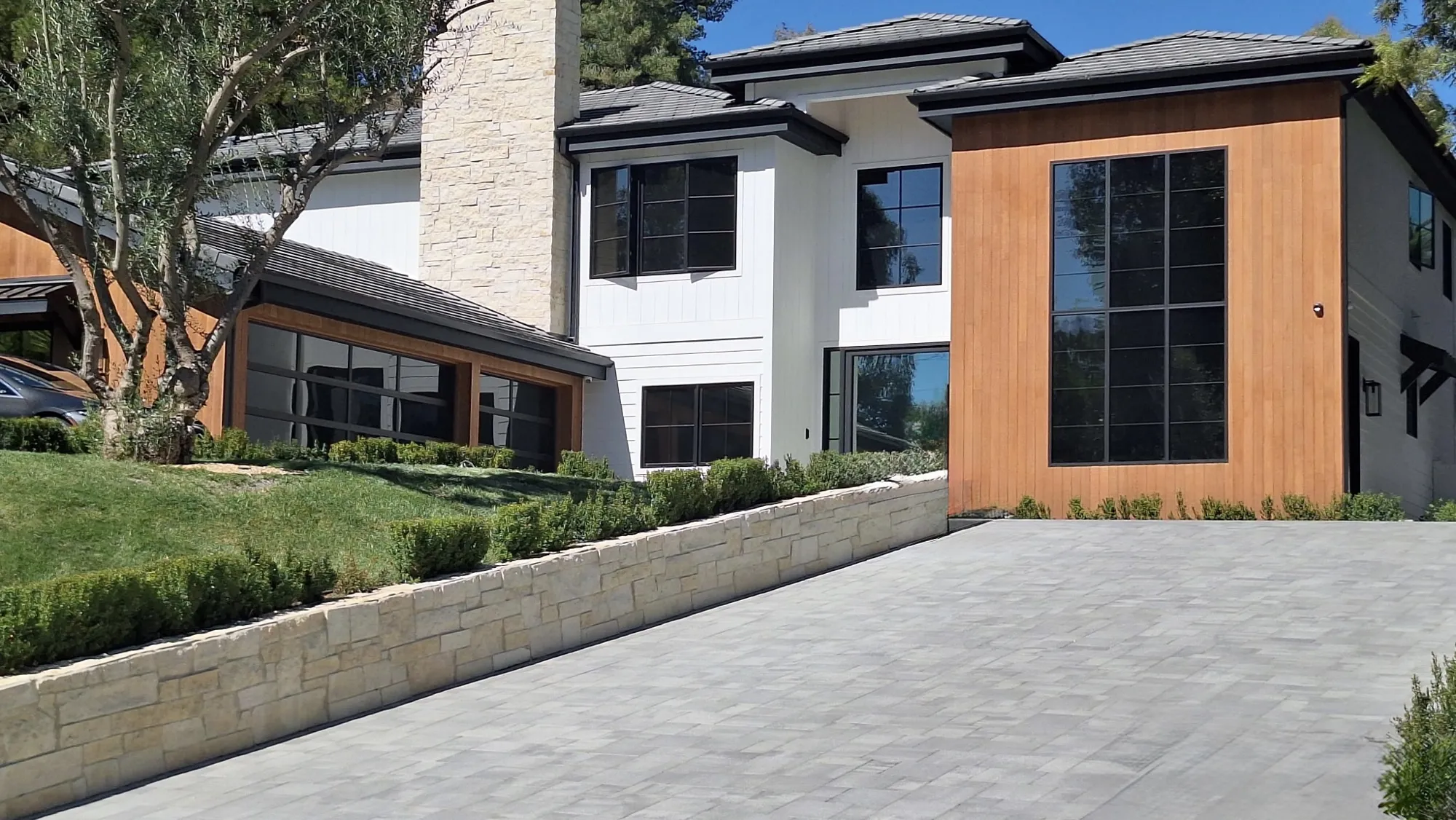
Reflective films, sometimes called one-way mirror film, work by reflecting more light back toward the brighter side. During the day, the outside is brighter, so people outside see a reflective surface and you see out. After dark, with your lights on, the inside becomes the brighter side and the effect reverses. People outside can see in more easily, and you may see your own reflection in the glass.
That isn’t a defect; it’s physics. Madico, for example, describes the privacy benefit of its dual-reflective Optivision films as daytime privacy, with darker shades giving more of it. Dual-reflective films are made with lower interior reflectivity so the view out at night is clearer, but they still don’t provide privacy at night.
Reflective films are a good fit when the main goals are heat, glare and daytime privacy on glass you want to see through, such as a living room facing a beach path or a great room near a street. They are not a good fit for a bathroom.
Match the film to the room
| Room or glass | When privacy matters | Usually the better fit |
|---|---|---|
| Bathroom window, shower glass | All the time, especially evenings | Solid frost, or a gradient if you want sky above |
| Front door glass and sidelights | Day and night | Frost or a decorative pattern; a frosted safety film if you also want broken glass held together |
| Bedroom facing a neighbor | Mostly evenings | Frost or a band on the lower glass, or a solar film paired with shades you close at night |
| Living room or great room facing a street or path | Mostly daytime, view matters | Reflective or dual-reflective solar film |
| Stairwell, transom, clerestory | Varies | Frost on the lower panes, clear glass above |
Many homes need both types. A common plan is frosted film on bathrooms and entry glass, a solar film with daytime privacy on the main living areas, and nothing at all on windows that face a private yard.
How much light you actually keep
“Without blocking light” is a fair goal, but every privacy film changes the light in some way:
- Frosted films keep a lot of light but diffuse it. Rooms stay bright and the light feels softer and more even, with less direct glare. You lose the view through that glass.
- Reflective films keep the view but reduce the amount of light. Darker shades give more daytime privacy and more glare control, and they make rooms dimmer. Comfort Pro’s guide on how dark home window film should be walks through that trade-off with real examples.
- Bands and gradients split the difference: privacy where people would see in, clear glass where light and sky come through.
When film is not the right answer
- You need total darkness for sleep. A blackout film blocks light permanently. Blackout shades are usually better for a bedroom because you can open them in the morning.
- You want privacy at night but also a clear view during the day. No single film does both. Pair a clear or solar film with shades, or use a band or gradient that keeps part of the view.
- The glass is not a good candidate. Film absorbs some solar energy, which adds thermal stress to glass. Manufacturers publish film-to-glass guidance, and the International Window Film Association recommends asking your dealer whether your Low-E (low-emissivity) windows can take film. Some dual-pane, tinted, laminated or very large panes need a specific film, manufacturer approval, or no film.
- The view in comes from above. A neighbor’s second-story window can see over a band set at standing height. Check the sightlines from where people actually stand.
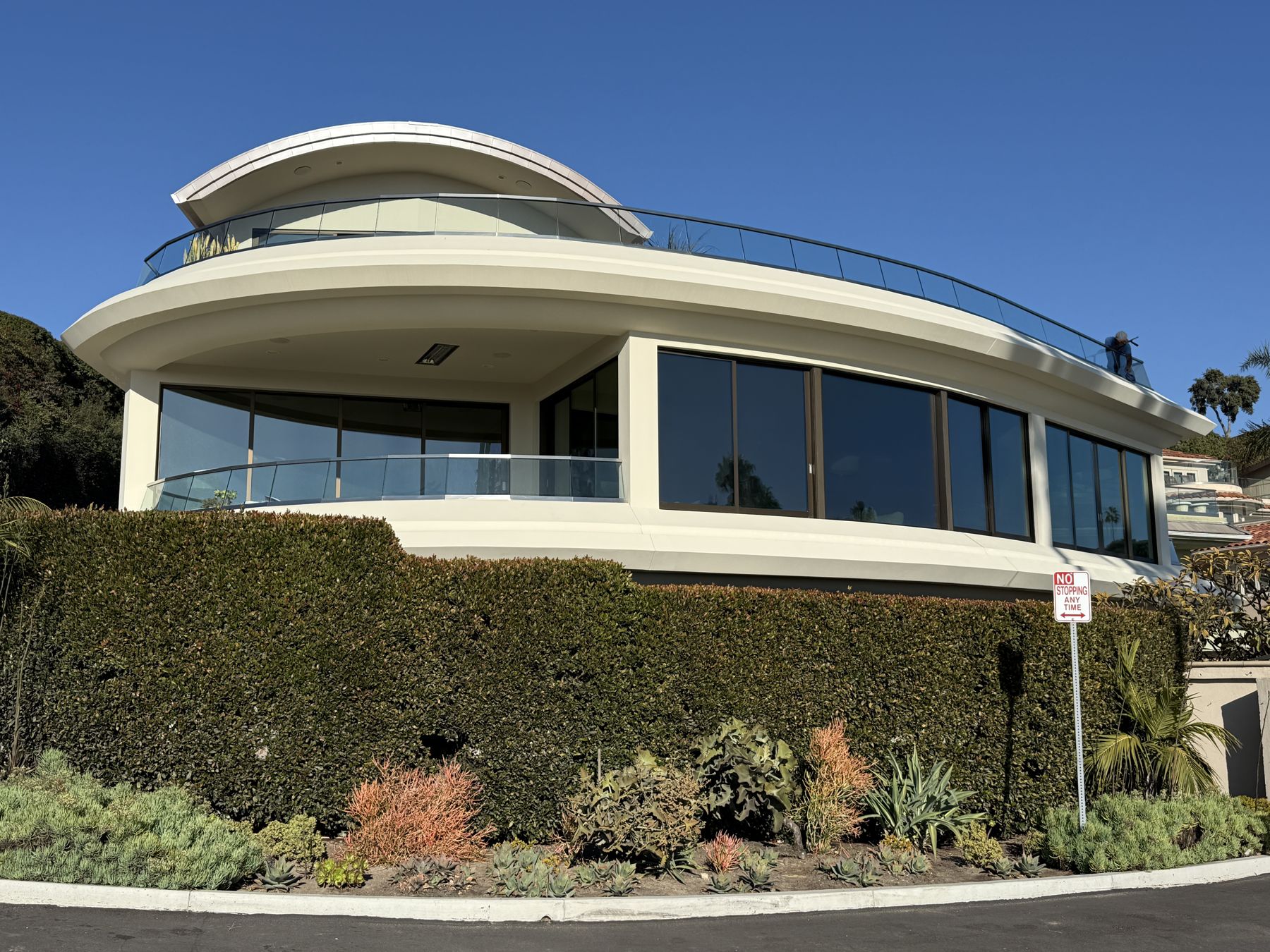
- Your homeowner association limits exterior appearance. Highly reflective film changes how a home looks from the street. Frosted film applied to the inside changes the look less, but check your guidelines first.
Privacy plus safety
For street-facing doors, sidelights and ground-floor bathrooms, a frosted safety film is worth considering. These are thicker films with a frosted finish. Madico’s 12 Mil Frost Matte is one example. A safety film helps hold broken glass together, which can slow down someone trying to get through it. How well it performs depends on the film, the glass, the frame and whether the film is anchored to the frame with an attachment system. Learn more on our residential security film page.
What installation looks like
- Consultation and glass check. We look at each window from inside and outside, confirm the glass type, and show samples on your actual glass at the time of day the privacy problem happens.
- Measuring and cutting. Bands, gradients and custom designs are sized to each pane so lines match across a wall of glass.
- Cleaning and application. The glass is cleaned thoroughly, and the film is applied with a slip solution and squeegeed into place.
- Curing. Film needs time for the remaining moisture to dry out. Madico’s warranty care instructions, for example, say not to clean filmed windows for at least 30 days, and safety films can take longer to fully cure. Small hazy spots during curing are normal and usually clear on their own.
Frosted and decorative films can be removed later by a professional, which makes them a practical choice if a room’s use or your design taste may change.
Bathrooms and frosted film
Bathrooms are where many homeowners start. Frosted film is a good fit on bathroom windows and shower glass because it blocks the view at all hours and keeps the room bright without curtains that collect moisture. A gradient works well over a tub with a view: frosted where you need it, clear above. If the window is next to a shower, ask which film and edge details suit glass that gets wet regularly, and follow the care instructions for your film.
Find the right privacy film for your home
Comfort Pro installs privacy, frosted and decorative films in homes across Orange County and Los Angeles and serves customers throughout California. We’ll check your glass, bring samples, and recommend a film for each room rather than one product for the whole house. See our frosted window film and residential decorative film pages, or contact us to schedule a visit.