A cracked window is rarely just a cosmetic problem. In a home, it can create a safety concern, raise energy costs, and leave furnishings exposed to weather. In a business, broken glass can interrupt operations, create liability, and make a property feel vulnerable. Knowing how to prevent glass shattering starts with understanding why glass fails and choosing protection that fits the risks around your property.
Glass can break from impact, extreme temperature differences, installation pressure, edge damage, building movement, or an attempted break-in. No single solution eliminates every risk. The right approach combines sound glass selection, proper maintenance, and professionally installed protective film where added strength and fragment retention matter most.
Start With the Cause of Glass Breakage
Prevention works best when it addresses the specific stress affecting the glass. A storefront near a busy walkway has different risks than a west-facing living room with intense afternoon sun. Before upgrading a window or applying film, look at the conditions around it.
Impact is the most obvious cause. A thrown object, storm debris, accidental contact, or forced entry can crack or shatter glass quickly. Thermal stress is less visible but common, particularly in sunny California properties. Glass expands as it heats and contracts as it cools. When one area of a pane gets much hotter than another, stress can build until a crack develops, often starting at an edge.
Other issues develop over time. Small chips at the glass edge, worn glazing, loose frames, and improper installation can leave a pane more susceptible to failure. Even a minor crack should be evaluated promptly. It may be stable for a while, but temperature changes and vibration can cause it to spread without warning.
How to Prevent Glass Shattering With Safety Film
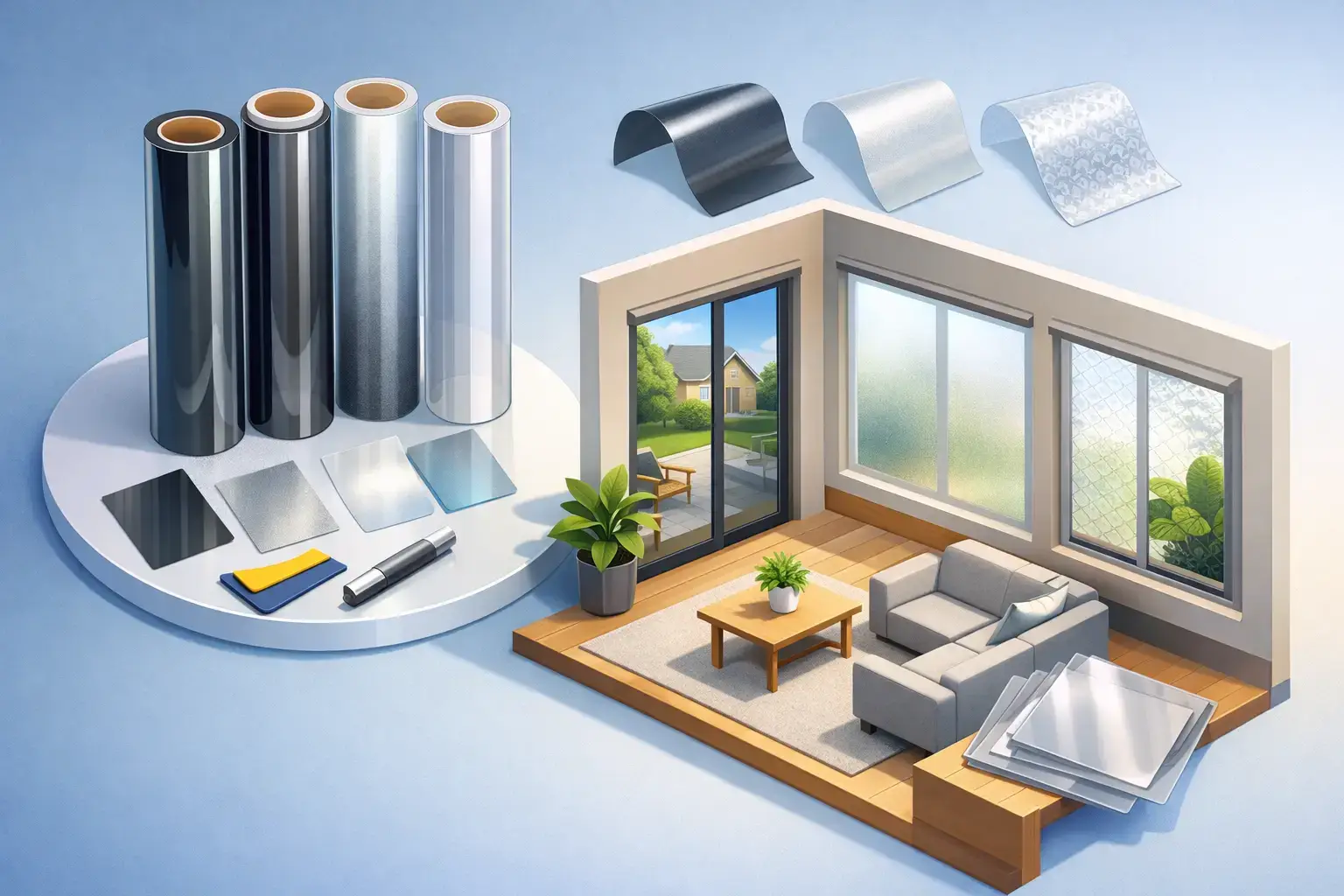
Safety and security window film is one of the most practical upgrades for existing glass. It does not make standard glass unbreakable. Rather, it helps hold broken pieces together after an impact, reducing dangerous flying shards and making the opening more difficult to penetrate quickly.
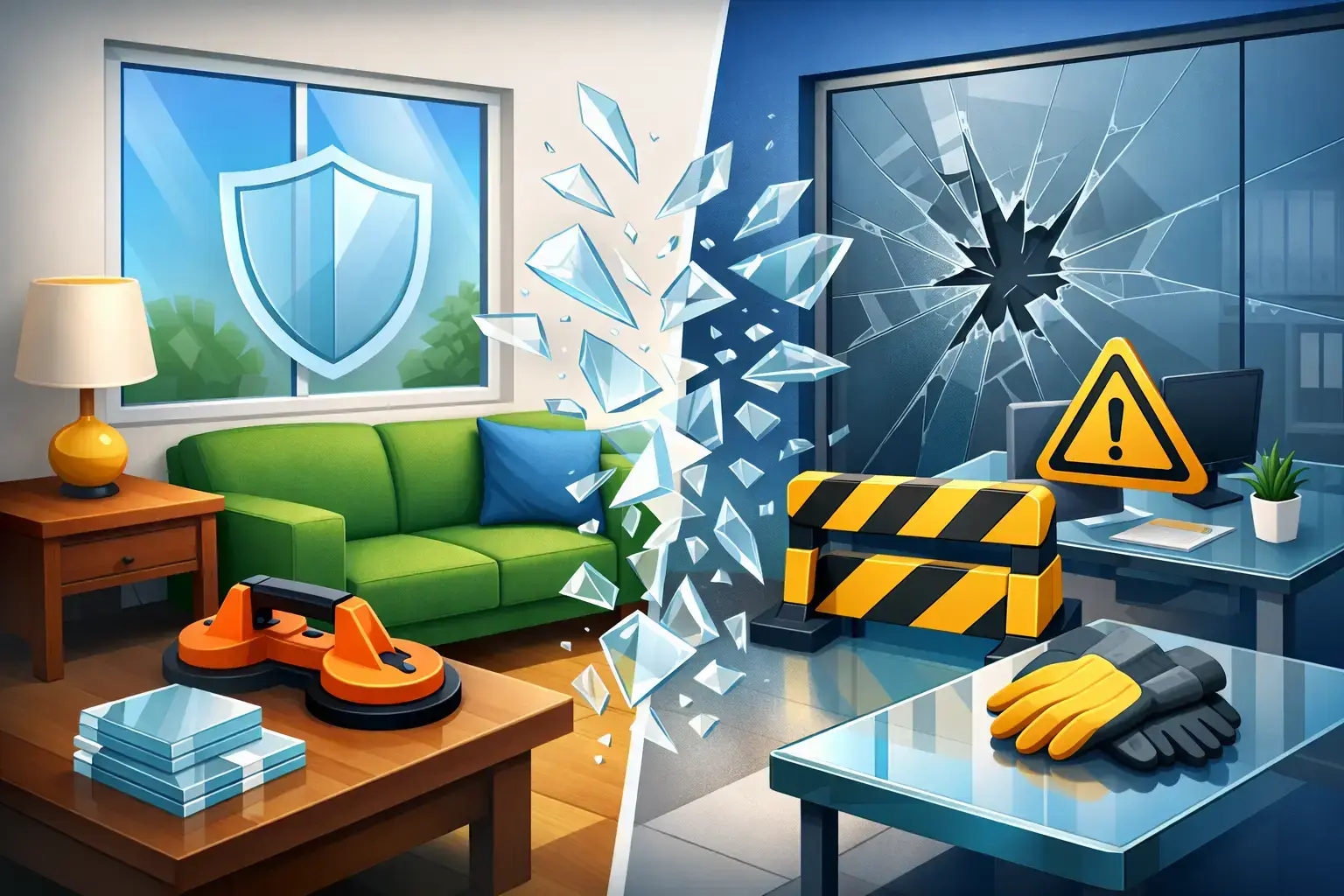
That distinction matters. If a ball, debris, or intruder strikes a filmed window hard enough, the glass may still crack. But instead of scattering across a room or entryway, the fragments are more likely to remain bonded to the film. This can reduce cleanup, limit injury risk, and help preserve a temporary barrier until the glass is replaced.
For homes, safety film is often valuable on large windows, patio doors, sidelights, and glass near play areas. For commercial spaces, common applications include storefronts, entry doors, interior glass partitions, schools, healthcare facilities, and ground-floor windows. The appropriate film thickness and attachment method depend on the glass type, frame system, opening size, and security objective.
Professional installation is essential. Film must be carefully cut, applied, and finished so that it performs as intended and looks clean from both sides. For higher-risk openings, a qualified installer may recommend a structural attachment system that secures the film to the frame. This creates a more effective barrier than film alone when glass breaks under force.
Reduce Thermal Stress Before It Becomes a Crack
Thermal cracking often catches property owners off guard because the glass may not have been struck at all. It can occur when a section of glass is heated by direct sun while another portion remains shaded by an overhang, blinds, furniture, landscaping, or a window treatment. Dark materials close to the glass can also increase heat absorption.
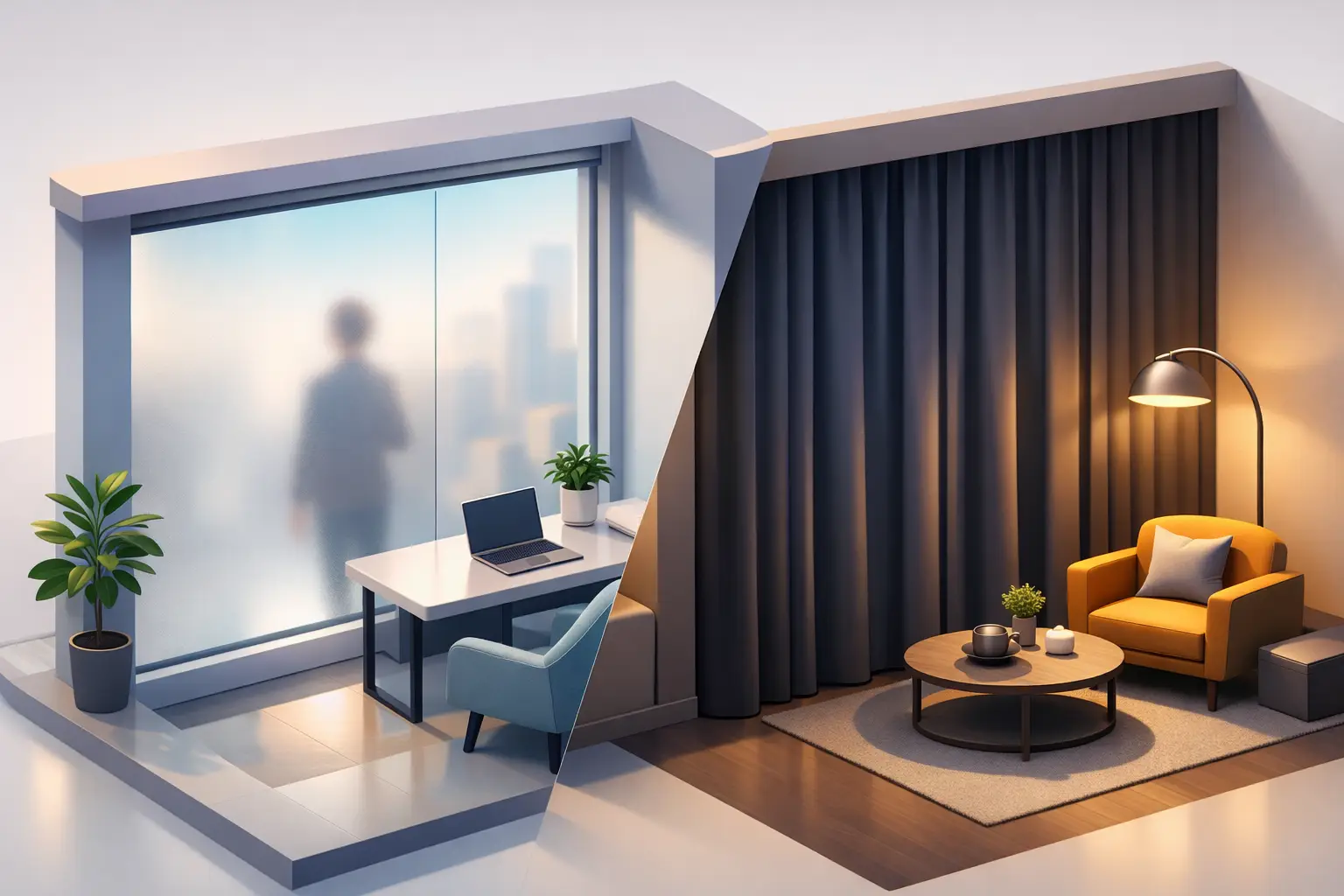
Solar control window film can help manage this risk while improving comfort. By rejecting a portion of solar heat and reducing glare, the right film can lower the temperature load on the glass and the space behind it. It can also reduce UV exposure that contributes to fading in floors, furniture, displays, and artwork.
Film selection requires care. Not every film is suitable for every type of glass, especially insulated glass units, older panes, or windows with existing defects. A professional assessment considers the glass construction, orientation, shading patterns, and local climate before recommending a product. The goal is better comfort and protection without creating an incompatible thermal condition.
Avoid placing heat-producing items directly against windows. Space heaters, high-output lamps, grills near exterior glass, and reflective objects can create concentrated heat. Indoors, leave a small gap between tightly closed blinds or shades and the glass when sunlight is intense. This allows heat to dissipate instead of becoming trapped against the pane.
Protect the Glass Edges and Window Frame
The edge of a glass pane is one of its most vulnerable areas. Damage that seems insignificant – a chip under a gasket, a hard scrape during cleaning, or pressure from a warped frame – can become the starting point for a larger crack.
Inspect windows and doors periodically, especially after storms, construction work, or a noticeable impact. Look for chipped corners, hairline cracks, loose seals, damaged caulk, and frames that no longer hold the glass evenly. Condensation between panes in an insulated unit is another sign that the seal has failed and the unit may need attention.
Do not slam glass doors or force windows that stick. If a sliding door drags, a hinge is misaligned, or a window binds in its track, correct the mechanical issue rather than applying more force. Repeated pressure can stress the glass, hardware, and frame together.
Cleaning also deserves a measured approach. Use non-abrasive tools and products intended for glass. Avoid metal scrapers, aggressive scouring pads, and harsh chemicals that may damage seals, coatings, or applied film. If glass already has scratches, mineral buildup, or surface damage, restoration may be a better first step than replacement. Restoring the surface can improve appearance while preserving a sound pane.
Choose the Right Glass for High-Risk Areas
When replacing a window, door panel, or interior partition, the glass specification matters as much as the frame. Tempered glass is designed to break into small, less sharp pieces rather than large dangerous shards. Laminated glass uses an interlayer that helps keep broken glass in place. Both can be appropriate safety choices, but they serve different needs.
Tempered glass is often used where building codes require safety glazing, such as doors, windows near doors, and certain low-level openings. Laminated glass is often preferred where fragment retention, noise reduction, or added forced-entry resistance is a priority. In some cases, laminated glass combined with security film offers another level of protection, though the added cost should be weighed against the property’s actual exposure.
For commercial properties, think beyond the exterior storefront. Interior glass walls, conference room partitions, display cases, and restroom partitions may all benefit from safety-focused specifications or film. A careful site review can identify which openings pose the greatest risk to people, inventory, privacy, or daily operations.
Prepare for Weather and Everyday Impact
Storm preparation is not only for properties in severe-weather zones. Loose patio furniture, planters, signage, and outdoor décor can become impact hazards in high winds. Secure or move these items before major weather events, and trim branches that could strike windows or doors.
Inside, consider how people use the space. Large panes beside a play area, a crowded hallway, or a retail display zone are more likely to experience accidental contact. Strategic furniture placement, protective barriers where appropriate, and safety film can reduce the consequences of an everyday accident.
For buildings with recurring vandalism or break-in concerns, prevention should include more than replacing broken glass after the fact. Security film can delay entry and help contain fragments, while anti-graffiti film can protect glass from scratching, etching, and paint damage. The right combination protects the surface, supports a cleaner appearance, and can reduce the frequency of costly glass replacement.
Know When to Call a Glass Protection Specialist
A professional evaluation is worthwhile when you see recurring cracks, have large exposed glass areas, are planning a renovation, or need to improve safety without replacing every window. The best recommendation may be safety film, solar film, replacement glass, frame repair, glass restoration, or a combination of these measures.
Comfort Pro approaches each project by looking at the glass, the environment, and the outcome you want – whether that is better security, less glare, improved privacy, or a safer response if breakage occurs. Precision installation and compatible materials are what turn a protective product into a long-lasting upgrade.
The most effective prevention is proactive: address small damage early, control heat stress, and strengthen vulnerable openings before an accident or impact puts people and property at risk.