A patient in an exam room should not have to wonder who can see through the sidelights, glass partitions, or corridor-facing windows. Yet healthcare facilities need more than a quick visual fix. Privacy solutions must support dignity and confidentiality while preserving daylight, cleanable surfaces, clear wayfinding, and a calm clinical environment. The best films for healthcare privacy address those needs without forcing a costly glass replacement project.
For facility managers, practice owners, and healthcare designers, window film is often one of the most practical upgrades available. The right product can make a glass wall feel private, soften a busy view, reduce glare at a nurse station, or reinforce vulnerable glass. The right choice depends on where the glass sits, how the room is used, and what patients and staff need to see.
What Healthcare Privacy Actually Requires
Privacy in a medical setting is not one-size-fits-all. A behavioral health consultation room has different requirements than a waiting area, pharmacy counter, or outpatient exam room. Some spaces need complete visual screening. Others need partial obscurity that allows staff to recognize movement, maintain sightlines, or use borrowed daylight from an adjacent room.
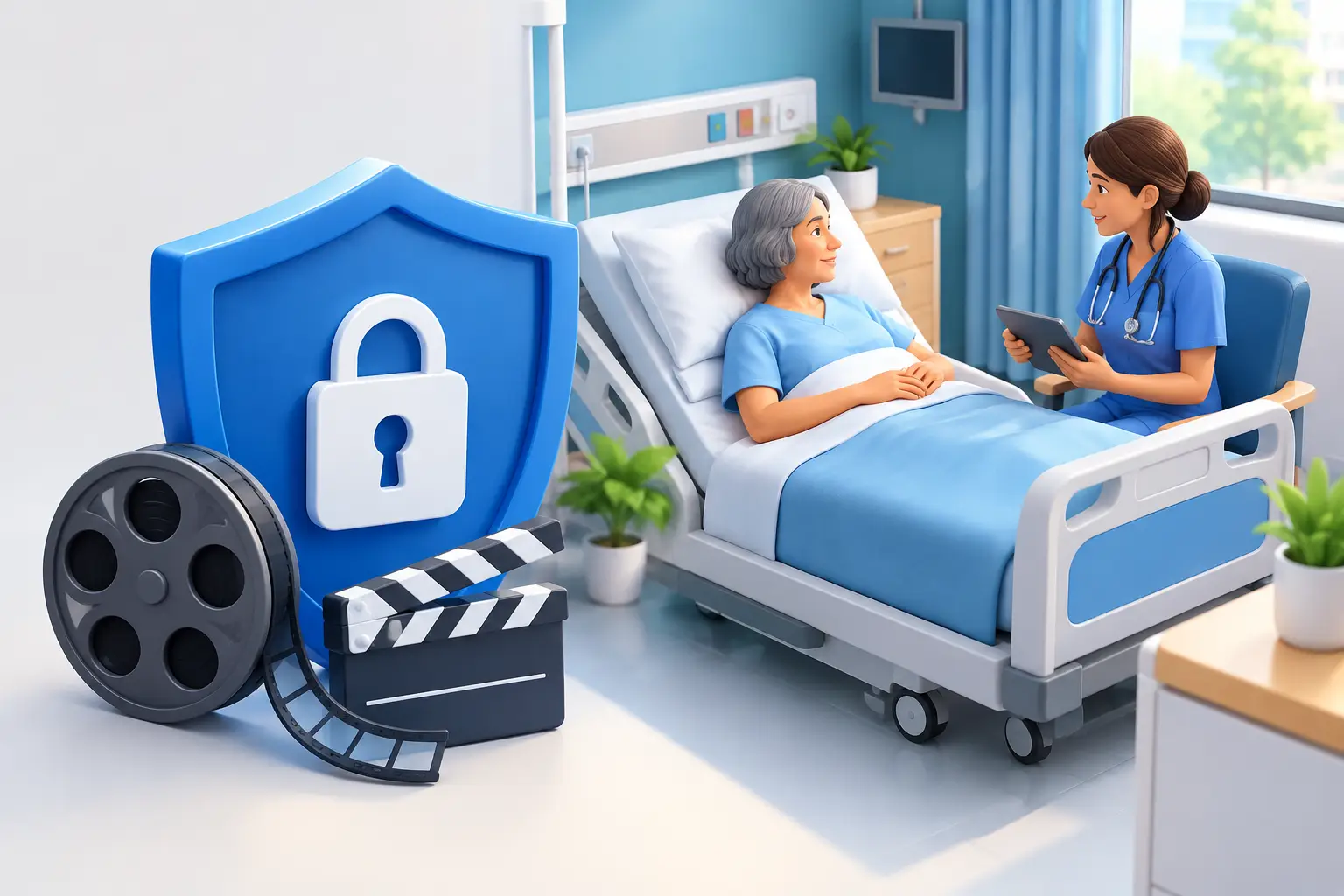
Privacy film supports visual confidentiality, but it does not by itself establish HIPAA compliance. HIPAA concerns the protection of patient information in many forms, and a facility’s policies, workflow, acoustics, and physical layout all matter. Film is a highly effective physical safeguard when clear glass exposes patient activity, paperwork, screens, or conversations through line of sight.
Before choosing a finish, assess the view from both sides of the glass. Consider direct sightlines from hallways, neighboring buildings, public sidewalks, and waiting rooms. Also consider lighting. A film that looks private in daylight may behave differently after dark when interior lighting is stronger than exterior lighting.
The Best Films for Healthcare Privacy by Application
Frosted privacy film for exam rooms and treatment spaces
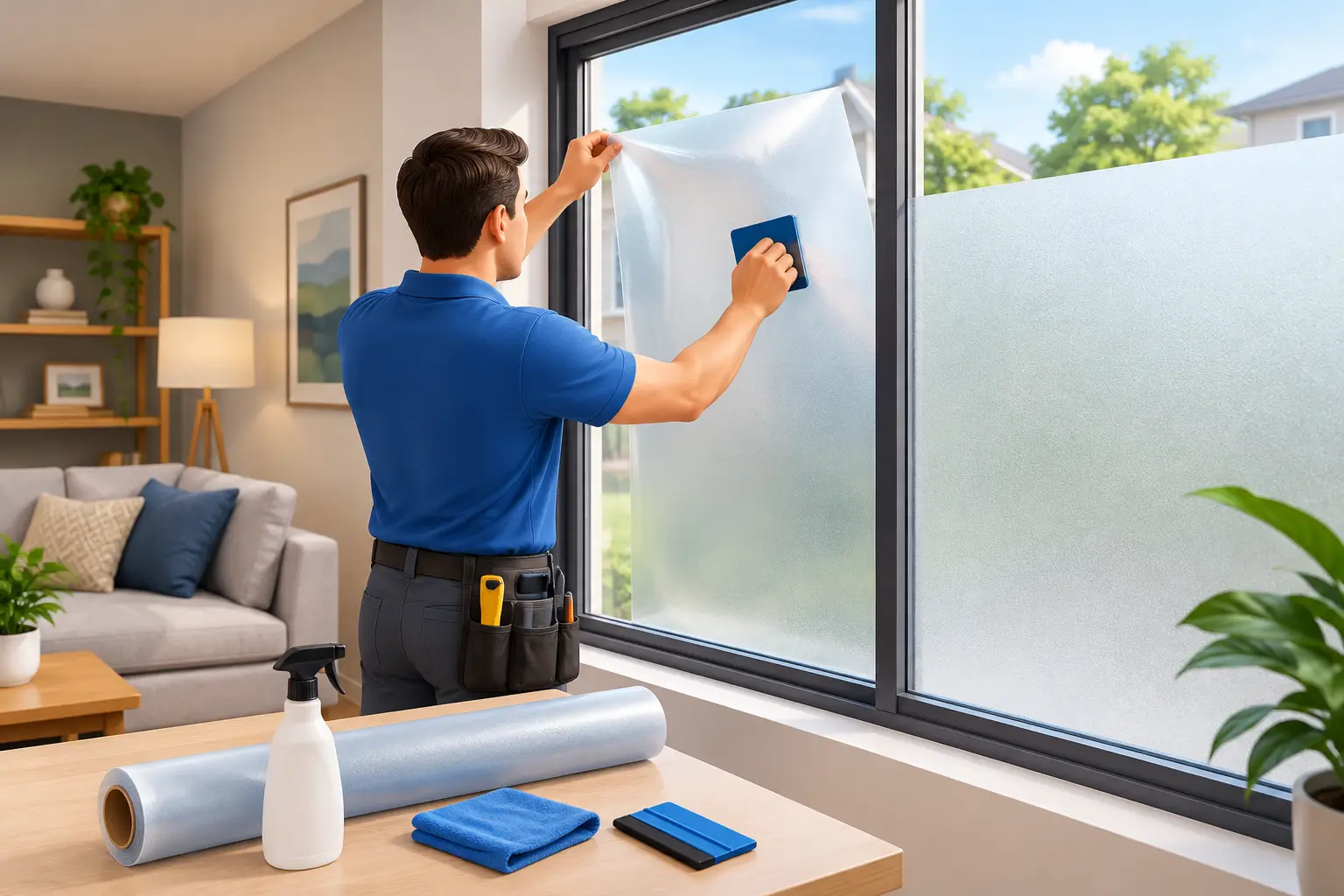
Frosted or etched-glass film is the workhorse solution for healthcare privacy. It diffuses the view through glass while still allowing natural light to pass into the room. On sidelights beside exam-room doors, interior glass walls, consultation offices, and treatment areas, a high-quality frosted finish delivers the clean, restrained appearance many facilities want.
The level of opacity matters. A light frost may blur faces and details but still reveal silhouettes. A denser frost creates stronger screening for spaces where patients change clothes, receive treatment, or discuss sensitive information. A professional installer can apply the film full-height, in a privacy band, or only across the portions of glass that create an unwanted line of sight.
Frosted film is especially useful when replacing clear glass would disrupt operations or strain a renovation budget. It provides a finished architectural look without the expense and construction time of new etched or obscured glass.
Decorative film for privacy with better wayfinding
Decorative privacy film adds visual structure to practical screening. It can combine frosted areas, clear borders, subtle patterns, gradients, and custom-cut elements to distinguish departments or create a more welcoming environment. This is valuable in pediatric practices, wellness clinics, dental offices, and patient-facing reception areas where a plain opaque surface can feel overly institutional.
For example, a partial frosted pattern on a conference-room wall may preserve daylight and visibility near the doorway while blocking the seated eye level where confidential meetings take place. A branded pattern can also help patients recognize an entrance or department without placing large signs on every glass surface.
Design should remain calm and purposeful. High-contrast graphics, dense patterns, or overly busy printed elements can make a space feel cluttered. In healthcare settings, the most effective decorative films tend to be simple, easy to clean, and coordinated with the facility’s existing finishes.
Gradient and banded film for shared spaces
Not every glass panel needs total coverage. Gradient film fades from opaque to clear, creating privacy where people are seated while keeping upper areas more open. Banded film uses horizontal strips of frosted material to block a specific sightline, such as the view from a waiting-room chair into an administrative office.
These options work well in reception zones, staff offices, physical therapy spaces, and interior partitions. They preserve an open feeling while reducing the sense that patients or employees are on display. The trade-off is straightforward: partial coverage provides less complete screening. If a room handles sensitive consultations or treatment, full-height opacity may be the safer choice.
Exterior-facing privacy film for daytime exposure
Street-facing windows can create a different concern. Patients may be visible from parking areas, neighboring buildings, or public walkways. Reflective or darker exterior films can limit daytime views into a building while reducing solar heat and glare. In sunny California locations, that combination can improve comfort at reception desks, waiting areas, and perimeter offices.
However, one-way privacy is not truly one-way under all conditions. It relies on the exterior side being brighter than the interior. At night, illuminated rooms can become more visible from outside unless blinds, shades, or another layer of privacy is used. For that reason, reflective solar film is best treated as a daytime privacy and comfort solution, not a replacement for opaque privacy film in rooms requiring consistent confidentiality.
Security film where privacy and protection overlap
Security and safety film does not obscure a view on its own, but it can be an important companion solution for healthcare facilities. Applied to glass doors, sidelights, and vulnerable ground-level windows, it helps hold broken glass together after impact. That can reduce hazards from shattered glass and add time during a forced-entry event.
In a clinic with glass-front entry doors, a facility may pair security film with frosted decorative coverage on select panels. The result is better visual privacy and a more resilient glazing system. Product selection should match the glass type, frame condition, attachment method, and the specific threat or safety concern. A film professional should evaluate these details rather than applying a generic solution everywhere.
Factors That Separate a Good Choice From the Right One
A privacy film project succeeds when it considers operations, not just appearance. Start with the room’s purpose and identify what must be hidden. Is the concern patient activity, computer monitors, medical records, staff-only circulation, or an unattractive exterior view? The answer affects film opacity, placement, and whether a combined solution is needed.
Cleaning requirements deserve equal attention. Healthcare environments need surfaces that tolerate routine cleaning protocols. Quality architectural films are designed for durability, but facilities should confirm approved cleaning practices and avoid abrasive tools that can damage the finish. A precise installation also matters because poorly trimmed edges or bubbles can undermine the professional appearance of a patient-facing space.
Daylight, glare, and room temperature should be evaluated together. A fully frosted interior partition can retain light, while an exterior solar-control film can reduce harsh glare and heat near windows. These are different benefits, and one film may not deliver both at the needed level. Layering solutions across different glass surfaces is often more effective than trying to make a single product solve every problem.
A Practical Planning Process for Healthcare Facilities
Walk the facility at the times when privacy concerns are most noticeable. Morning sun, afternoon glare, evening interior lighting, and peak patient traffic can reveal different problems. Photograph sightlines from public areas into clinical and administrative spaces, then rank each issue by urgency.
Next, determine whether each panel needs visual obscurity, solar control, glass retention, or a combination. A professional consultation should include glass measurements, an assessment of existing glass condition, sample viewing under real lighting, and a clear plan for how the film will be installed around operating hours. For active clinics, phased installation can minimize disruption to staff and patients.
Comfort Pro approaches these projects with the same attention to detail required in a healthcare environment: clear recommendations, carefully selected materials, and precise installation that respects the space. The goal is not merely to cover glass. It is to create privacy that looks intentional and performs reliably over time.
The most useful next step is simple: stand where a patient, visitor, or staff member stands and look through every exposed panel of glass. The privacy gaps are usually easy to see once you view the space from their perspective.