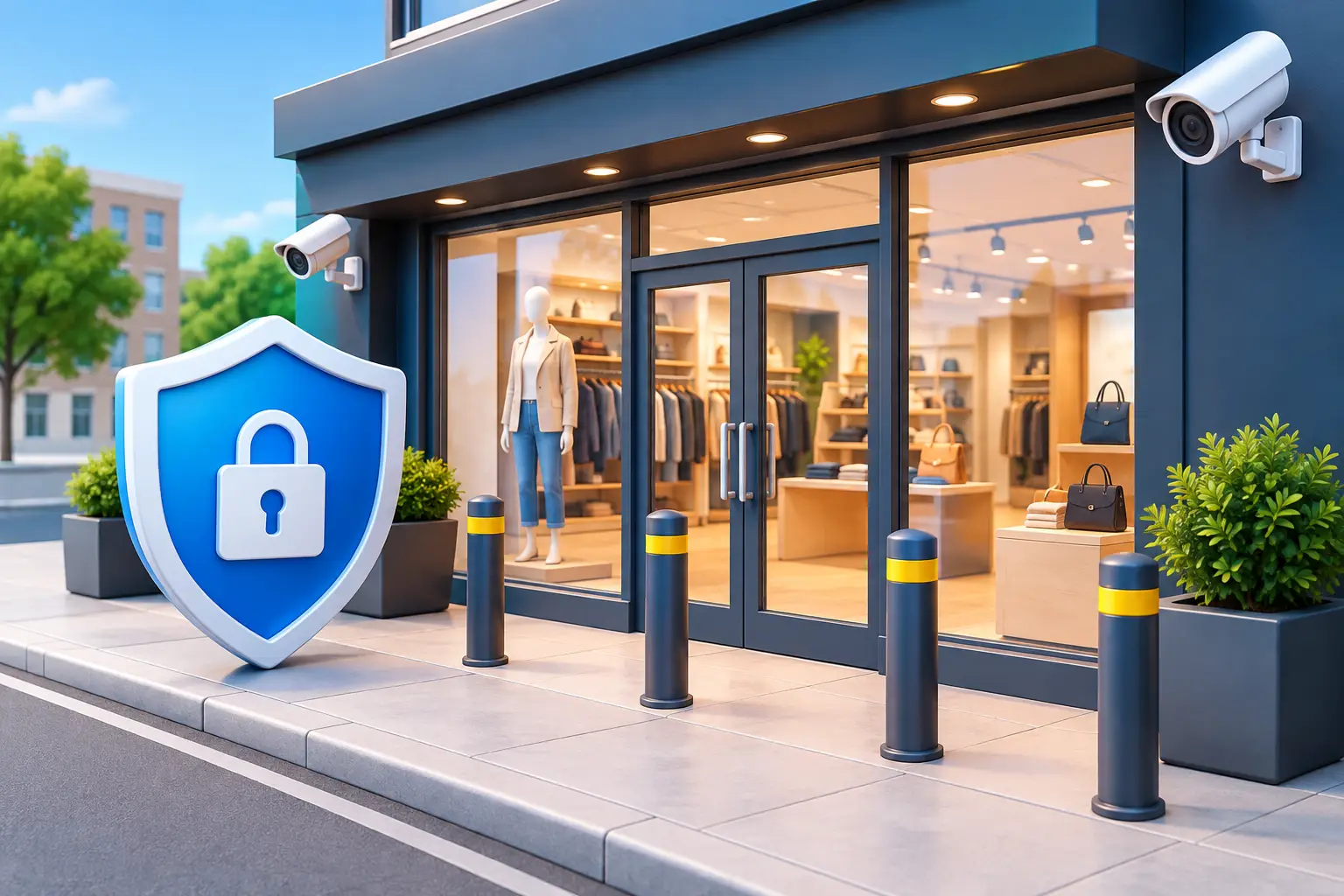
A cracked display window, faded merchandise, or a wall covered in graffiti can change how customers view a business before they ever walk through the door. This storefront protection guide explains how retail owners and property managers can protect the surfaces that shape a customer’s first impression while improving day-to-day comfort, privacy, and security.
The right solution is rarely just one product. A storefront with street-facing glass may need safety film and solar control, while a high-traffic entryway may benefit most from anti-graffiti protection. The best choice depends on your property’s risks, the appearance you want to preserve, and how the space is used.
Start With Your Storefront’s Real Risks
Protection works best when it addresses a specific problem rather than adding material simply because it sounds secure. Walk the exterior and interior of your property at different times of day. Look for direct sun, vulnerable glass, repeated scratching, areas visible from the sidewalk, and surfaces that are difficult or expensive to replace.
For many California retailers, sunlight is the first issue. Large storefront windows invite natural light and make displays visible, but they can also introduce heat, glare, and ultraviolet exposure. Over time, UV rays can fade flooring, merchandise, signage, and furnishings. Glare can make digital displays harder to read and leave staff or customers uncomfortable near windows.
Security is another consideration, particularly for ground-level retail spaces. Glass can be a point of entry, and even when an impact does not fully penetrate the window, shattered glass creates a costly cleanup and can interrupt business operations. Graffiti, etching, and scratches add a separate layer of expense because damage often calls for glass replacement or surface restoration.
A clear assessment prevents overbuilding one area while overlooking another. For example, a security-focused film may be appropriate for a vulnerable entry, but it will not solve excessive afternoon glare without the right solar performance. A professional consultation can identify where each type of protection provides the most value.
Use Window Film to Control Sun, Glare, and UV
Solar control window film is a practical upgrade for storefronts with strong sun exposure. It helps reject solar heat, reduces uncomfortable glare, and blocks a substantial portion of ultraviolet rays. The result is a more consistent environment for shoppers and employees, with less strain on cooling systems during warm weather.
The visual outcome matters as much as performance. Retailers usually want their windows to remain inviting, especially when displays are a key part of the sales experience. Many films are designed to maintain a clear, natural appearance while reducing heat and glare. Other options offer a more reflective or tinted finish for properties that need stronger daytime privacy or a distinct exterior look.
There is a trade-off to consider. Darker or more reflective films can increase privacy and glare reduction, but they may change the way merchandise looks from the street or reduce visible light indoors. For boutiques, showrooms, and businesses that rely on window displays, a lighter film is often the better balance. For offices, stockrooms, or rear-facing glass, privacy may take priority.
Add Safety Film Where Glass Is Most Vulnerable
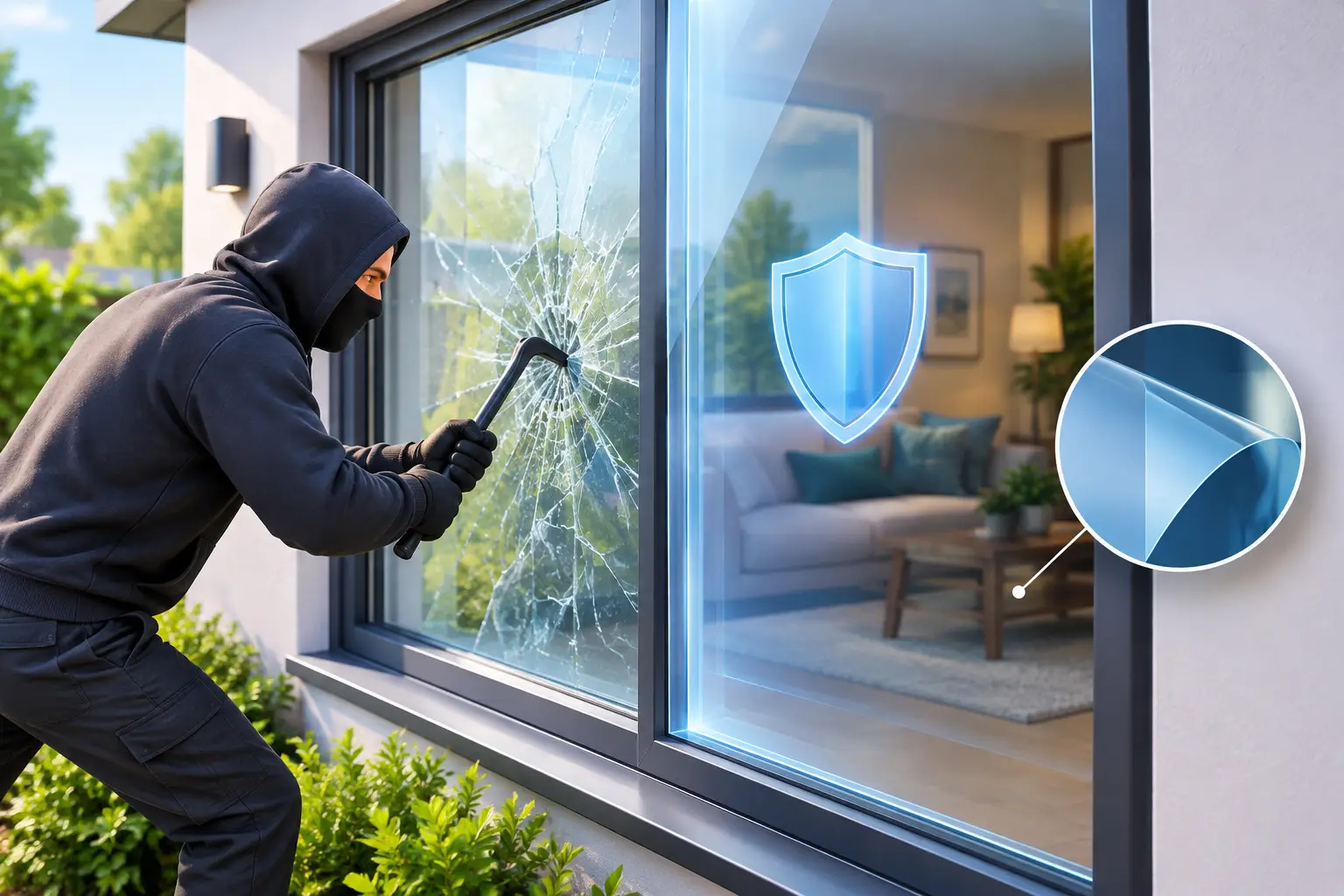
Safety and security window film is designed to help hold broken glass together after impact. It does not make glass unbreakable, and it should not be presented as a substitute for a complete security plan. Its value is in helping reduce dangerous glass scatter, slowing entry, and limiting the immediate opening created by broken glazing.
That added delay can matter. It may give occupants more time to respond, discourage opportunistic break-ins, and reduce the mess and risk associated with shattered glass. In retail settings, safety film is commonly considered for front doors, sidelights, display windows, and other accessible glass near entrances.
Installation details are critical. The film type, glass condition, frame construction, and attachment method all affect performance. A high-quality product installed without the right preparation or edge retention strategy may not deliver the expected results. This is why a site-specific recommendation is more useful than choosing a film based on thickness alone.
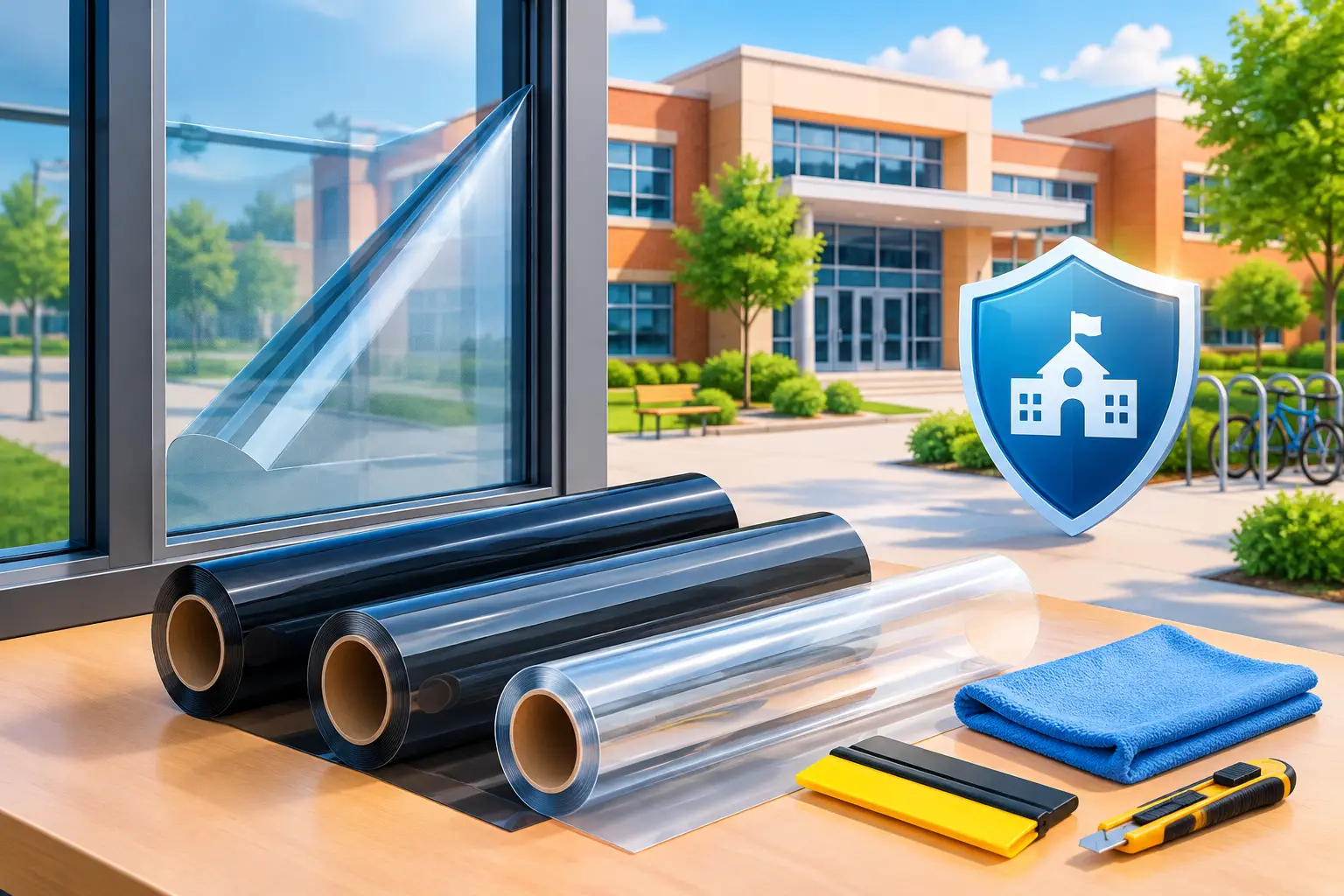
Safety film can also be valuable beyond theft deterrence. Schools, medical facilities, offices, and mixed-use properties may use it to help contain broken glass from accidents, severe weather, or other unexpected impacts. Each application has different requirements, so the intended purpose should guide the product selection.
Protect High-Touch Surfaces From Graffiti and Scratches
Glass is not the only part of a storefront that takes abuse. Entry doors, metal panels, mirrors, restroom partitions, wall surfaces, elevator areas, and display fixtures can show wear quickly in busy commercial spaces. Anti-graffiti and surface protection films create a sacrificial layer that can be removed and replaced when damaged, rather than requiring repair or replacement of the underlying surface.
This approach is especially useful when the original material is expensive, difficult to match, or disruptive to replace. Etched glass, polished metal, painted walls, and decorative panels are all candidates for protective film when they are exposed to frequent contact or vandalism.
The key benefit is maintenance flexibility. If a protected surface is marked, scratched, or tagged, the film can often be replaced while the original finish remains intact. That can reduce downtime and help keep the storefront looking maintained between major renovations.
Not every surface is a fit. Textured materials, damaged paint, extreme heat exposure, and irregular substrates may require a different solution. Proper surface preparation and a test area are worthwhile steps when appearance and longevity are priorities.
Build Privacy Without Closing Off the Store
Retail privacy is often selective. A business may want clear front windows but need discretion around consultation areas, treatment rooms, back offices, staff spaces, or internal glass partitions. Decorative and privacy films make it possible to define those areas without installing permanent walls or replacing glass.
Frosted, gradient, patterned, and custom printed films can all support privacy while contributing to the interior design. A partial frosted band, for instance, can obscure a direct line of sight while preserving daylight above and below it. Custom graphics can reinforce branding, display operating information, or create visual interest on otherwise plain glass.
Think about sightlines before choosing a pattern. What needs to be hidden, and from where? Privacy needs can change depending on whether a person is standing outside, sitting at a counter, or walking through the store. A precise layout makes the result feel intentional rather than added as an afterthought.
Do Not Ignore Existing Glass Damage
Minor scratches and graffiti etching can make a storefront look neglected, even when the rest of the property is well cared for. Replacing glass may be necessary in some cases, but restoration can be a practical alternative when the damage is limited and the glass remains structurally sound.
Professional scratch removal and glass restoration can improve appearance before a protective film is installed. Applying film over damaged glass does not erase scratches, and depending on the lighting and film type, it may make existing defects more noticeable. Addressing the substrate first gives the finished installation a cleaner, more consistent appearance.
A qualified installer should evaluate whether restoration is appropriate. Deep scratches, edge damage, compromised glass, or certain coatings may limit what can be repaired safely. Honest recommendations matter here because the least expensive option is not always the one that holds up best.
Plan Protection as Part of Storefront Maintenance
Storefront protection is easier to manage when it is part of a maintenance plan rather than an emergency response. Keep records of film installation dates, warranties, cleaning recommendations, and areas that have experienced repeated damage. This helps property managers budget for replacements and spot recurring issues at a specific location.
Cleaning also affects film life. Use soft, non-abrasive materials and approved cleaning methods once the installation has fully cured. Aggressive scrubbing, razor blades, and harsh tools can damage films or create scratches that defeat the purpose of the protection.
For multi-location businesses, consistency is valuable. Using similar film finishes, privacy patterns, and protection standards across properties supports brand presentation and simplifies future maintenance. At the same time, each site should be evaluated for its own sun exposure, glass type, neighborhood conditions, and security needs.
A well-protected storefront should still feel open, polished, and welcoming. The strongest results come from choosing solutions that preserve the customer experience while reducing the repair costs, discomfort, and disruption that unprotected surfaces can create. Comfort Pro can help assess the glass and surfaces that matter most, then recommend a precise solution built for how your business operates.