
Sticker shock usually happens when someone prices window film like a roll of material instead of a finished upgrade. The real question is not just how much does window film installation cost, but what you are actually getting for the price – better comfort, reduced glare, more privacy, added safety, and a cleaner finished look that lasts.
For most buyers, cost depends on three things right away: the type of film, the glass being covered, and the level of installation quality. A small automotive job will be priced very differently from a multi-story office with heat-control film, and a decorative privacy film for an entryway is not in the same category as security film designed to help hold shattered glass together. That is why quotes can vary so much from one project to the next.
How much does window film installation cost for most projects?
In broad terms, residential and commercial window film is often priced by the square foot, while automotive tint is usually priced by the vehicle or by the number of windows. Basic projects can start in the low hundreds, while larger or more specialized installations can run into the thousands.
For homes, many projects land somewhere between a few hundred dollars for a small room and several thousand for a whole-house installation using premium solar or security film. Commercial pricing ranges even more because access, glass size, and project scale matter so much. Automotive tinting can be relatively affordable for a standard sedan, but ceramic films or full vehicle packages will push the price higher.
The important thing is that film pricing is not one-size-fits-all. A fair quote reflects the actual glass, the performance goals, and the labor needed to install the film cleanly and correctly.
What affects window film installation cost the most?
The biggest driver is the film itself. Entry-level dyed films cost less than premium ceramic, multi-layer solar control, or safety and security films. Decorative and custom printed films also vary widely because the design, finish, and manufacturing process can be more involved than standard tint.
Glass type matters too. Large, flat panes are generally simpler to film than cut-up windows with multiple panes, French doors, sidelights, skylights, or hard-to-reach glass. Older glass can also need more careful preparation, especially if there is adhesive residue, scratches, or other surface issues that have to be addressed before installation.
Labor is another major factor. Professional installation is about more than applying film to glass. It includes measuring, surface prep, precision cutting, edge finishing, and making sure the film cures properly without debris, distortion, or peeling. On commercial jobs, access equipment, scheduling around business hours, and coordinating with tenants or staff can also affect cost.
Then there is performance level. If your goal is simply to soften visibility into a bathroom window, that is a different price point than reducing afternoon heat in a sun-exposed living room or adding an extra layer of glass retention for a storefront. The more specialized the performance need, the more the product and install process tend to cost.
Residential window film pricing
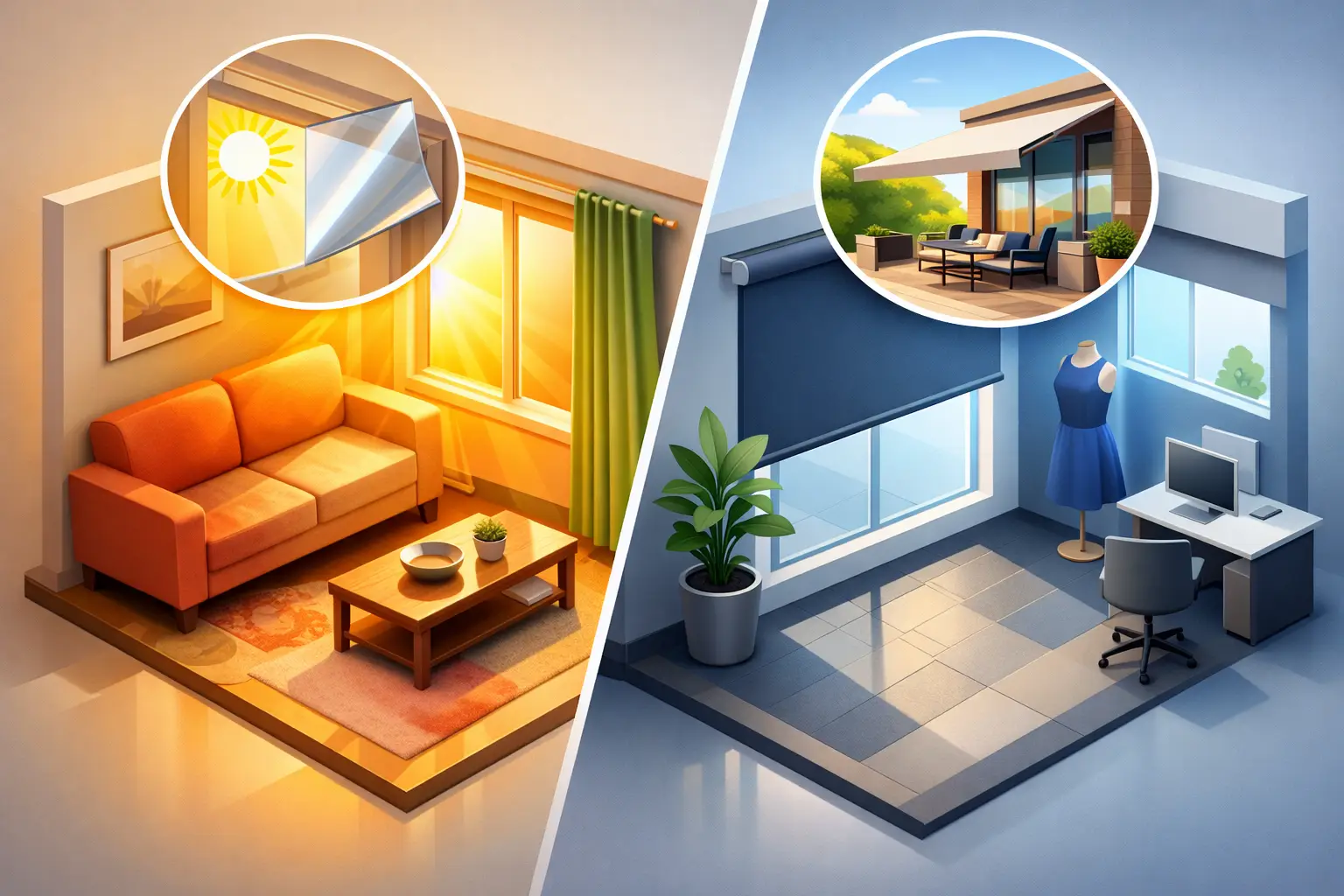
Homeowners usually shop for film because of heat, glare, fading, and privacy. In California especially, rooms with heavy sun exposure can become uncomfortable fast, and high-performing solar film can make a noticeable difference without replacing the glass.
A small residential project, such as a bathroom privacy window or one bedroom with glare issues, may stay on the lower end of the price range. A larger project involving multiple south- or west-facing windows, oversized panels, or premium heat-rejecting film will cost more. Security film also tends to raise the total because it uses thicker materials and often requires a more involved installation approach.
A whole-home quote can look expensive at first glance, but it helps to compare it to the alternatives. Replacing windows is far more costly, and blinds or drapes do not reject solar energy at the glass the way the right film can. For many homeowners, film is the more practical comfort upgrade when the windows themselves are still in good condition.
Commercial window film pricing
Commercial buyers usually evaluate cost through performance and scale. Offices, retail storefronts, healthcare spaces, schools, and multi-unit properties often need film for temperature control, privacy, branding, safety, or a combination of those goals.
Because commercial glass areas are larger, square-foot pricing may be more competitive on big projects, but total project cost can still be substantial. Access challenges, overnight scheduling, permit considerations, and the need to work around customers or staff all influence the proposal. Decorative film for conference rooms, custom graphics for storefronts, and anti-graffiti or security applications each come with different material and labor costs.
For property managers and business owners, the cheapest option is rarely the best value. A film that fails early, looks uneven, or does not perform as promised becomes more expensive when it has to be replaced. Clean installation and product quality matter a lot in commercial settings because appearance and reliability are part of the investment.
Automotive tint pricing
Vehicle owners usually see pricing presented as a package rather than by square footage. The total depends on the vehicle type, the number of windows, and the film category selected.
A standard tint package for a sedan will generally cost less than tinting a large SUV, a vehicle with complex rear glass, or a car getting upgraded ceramic film. Windshield tint strips, full windshield film where legally allowed, and sunroof applications can add to the total. The performance difference between basic and premium film is often where buyers feel the decision most clearly. Higher-end films generally offer better heat rejection, improved clarity, and longer-lasting appearance.
If two tint quotes are far apart, it is worth asking what film line is being used, whether the installer heat-shrinks and fits the film precisely, and what warranty support is included. Low pricing can sometimes mean lower-grade film, shortcuts in prep, or less experienced installation.
Why professional installation costs more than DIY
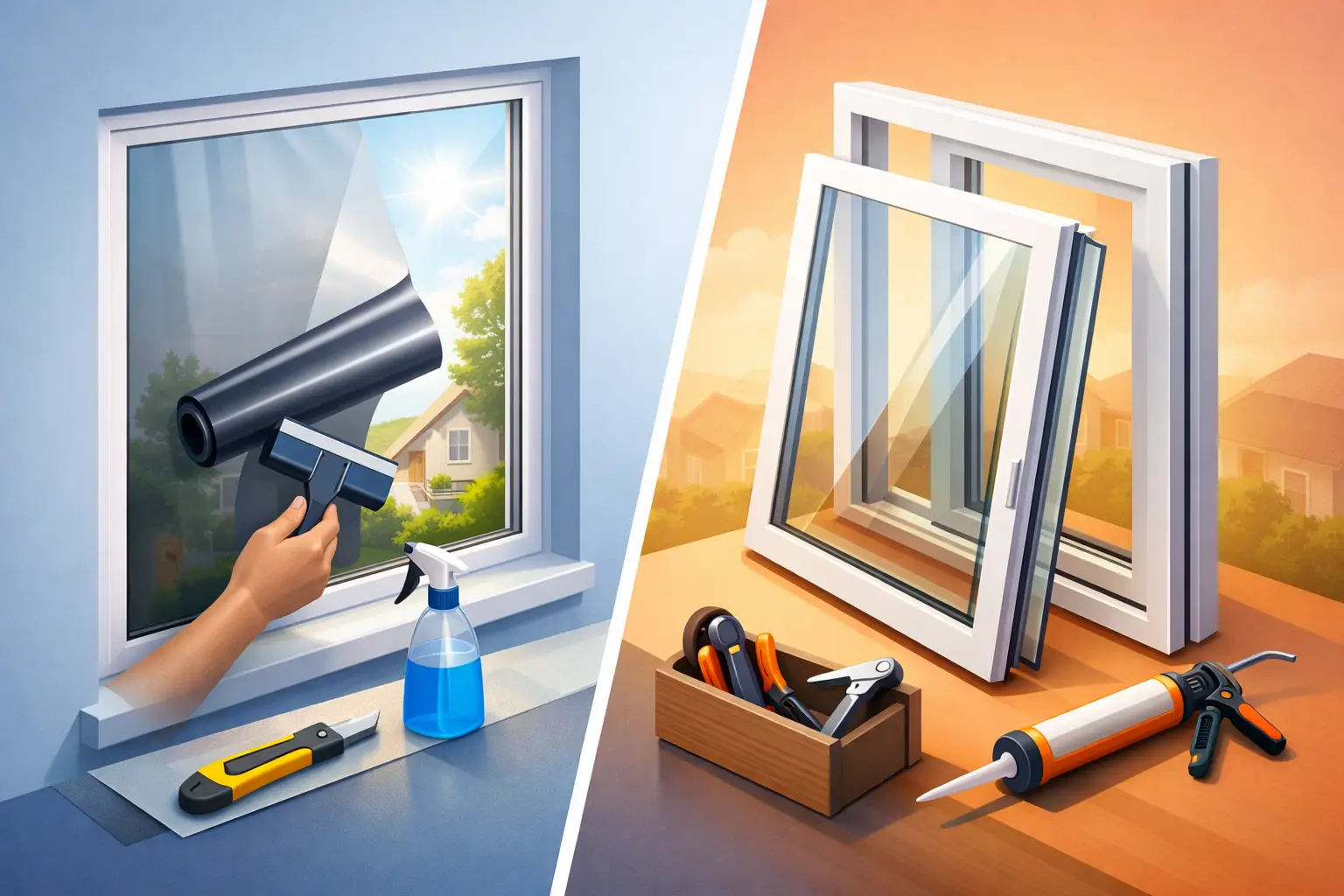
DIY film seems cheaper until the first trapped dust speck, crooked cut line, or peeling corner shows up. Window film is unforgiving, especially on large panes or visible front-facing glass. A poor install can look worse than having no film at all.
Professional installation costs more because it is a finish trade. Good installers know how different films behave, how to prep glass properly, how to work around seals and edges, and how to leave the window looking clean and intentional. That precision protects both the appearance and the lifespan of the product.
For homeowners and businesses, the added cost often buys peace of mind as much as performance. You want film that looks right on day one and still performs well years later.
How to compare quotes without getting misled
The lowest number on the page is not always the best deal. Ask what film brand and type is being quoted, what performance specs apply to your glass, whether old film removal is included, and what warranty covers both product and workmanship.
It also helps to ask how the installer plans to handle tricky areas. Skylights, high glass, decorative panes, and storefront systems can all affect labor. A detailed quote should feel clear, not vague. If the proposal only gives you a price with no explanation of what is being installed, that is a reason to ask more questions.
A strong provider will also guide you toward the right solution instead of overselling. Not every room needs the highest-performance film, and not every storefront needs security film. The best quotes are built around the actual problem you are trying to solve.
Is window film worth the cost?
For many customers, yes – especially when the main issues are heat, glare, fading, privacy, or vulnerable glass. Window film is often one of the most efficient ways to improve how a space feels without replacing windows or taking on a larger renovation.
The value becomes even clearer when the product matches the goal. Solar film can help make bright rooms more usable. Decorative film can create privacy without closing off light. Security film can add an extra layer of protection for homes and businesses. In each case, the return is not just financial. It is comfort, appearance, and day-to-day function.
At Comfort Pro, this is where a careful consultation matters most. The right film should solve the problem you actually have, not just fit a generic price range.
If you are pricing a project now, the smartest next step is to think beyond square footage alone. Focus on what the glass needs to do better, and the right installation cost starts to make a lot more sense.