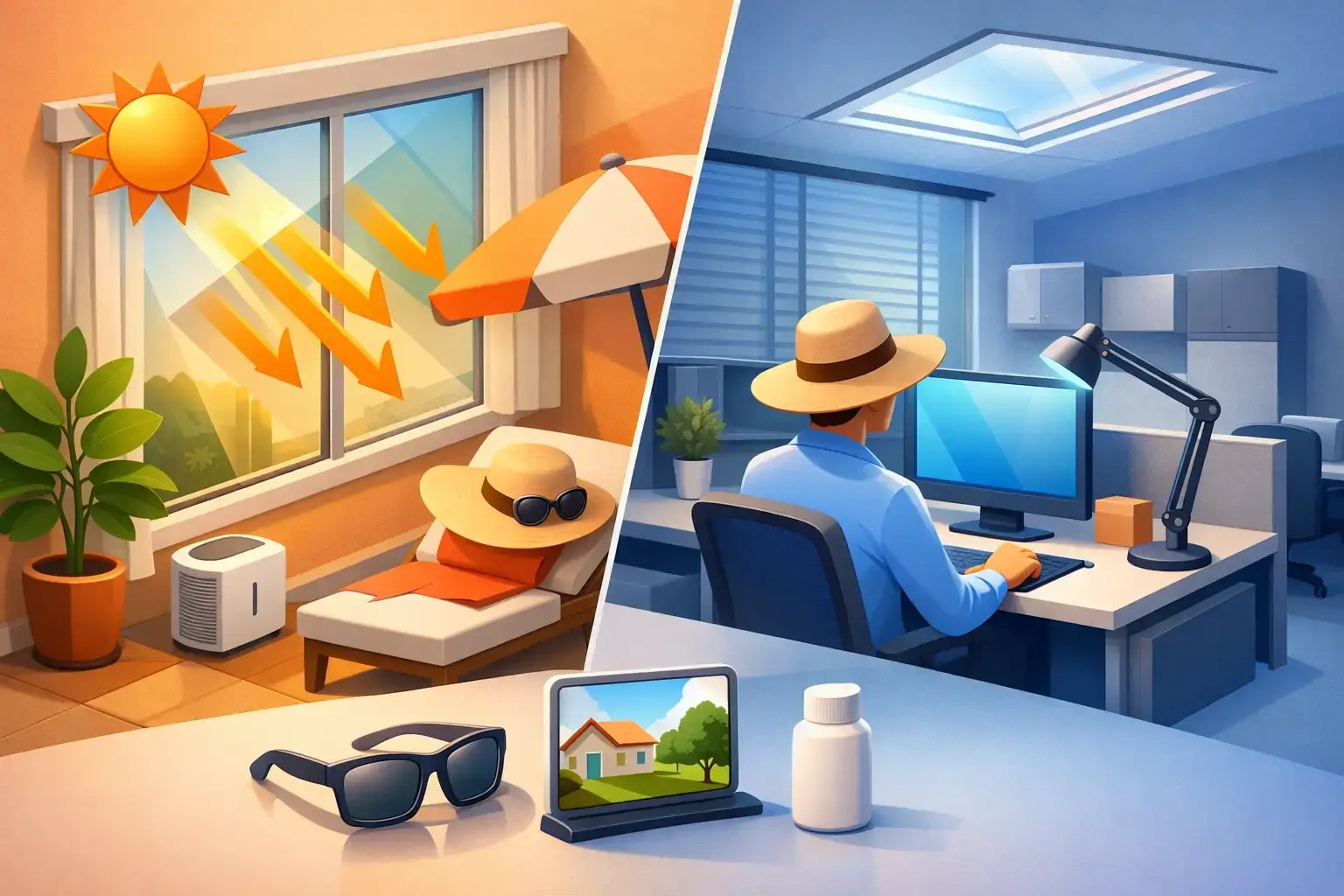
A sunny room can feel inviting until the glare lands on a screen, the floor near the window begins to fade, or a favorite chair gets noticeably warmer every afternoon. The best ways to block UV combine personal sun protection with building-level solutions that reduce exposure before it reaches people, furniture, merchandise, and finishes. The right mix depends on whether your main concern is skin health, interior fading, heat, glare, or all four.
Understand What You Are Trying to Block
Ultraviolet radiation comes primarily in two forms that matter for daily protection: UVA and UVB. UVB is the type most associated with sunburn, while UVA penetrates more deeply and contributes to premature skin aging and cumulative sun damage. Both can affect skin health, and UV exposure can also accelerate fading and deterioration in many interior materials.
Standard window glass generally blocks most UVB, but it can allow a significant amount of UVA to pass through. That is why sitting beside a bright office window, storefront display, or living-room glass wall can still create a long-term exposure concern. It is also why sunlight fading near windows is not just a heat issue.
For interiors, UV is only part of the equation. Visible light and solar heat can contribute to fading, discoloration, and material stress as well. A practical protection plan addresses the full range of solar energy rather than relying on one narrow fix.
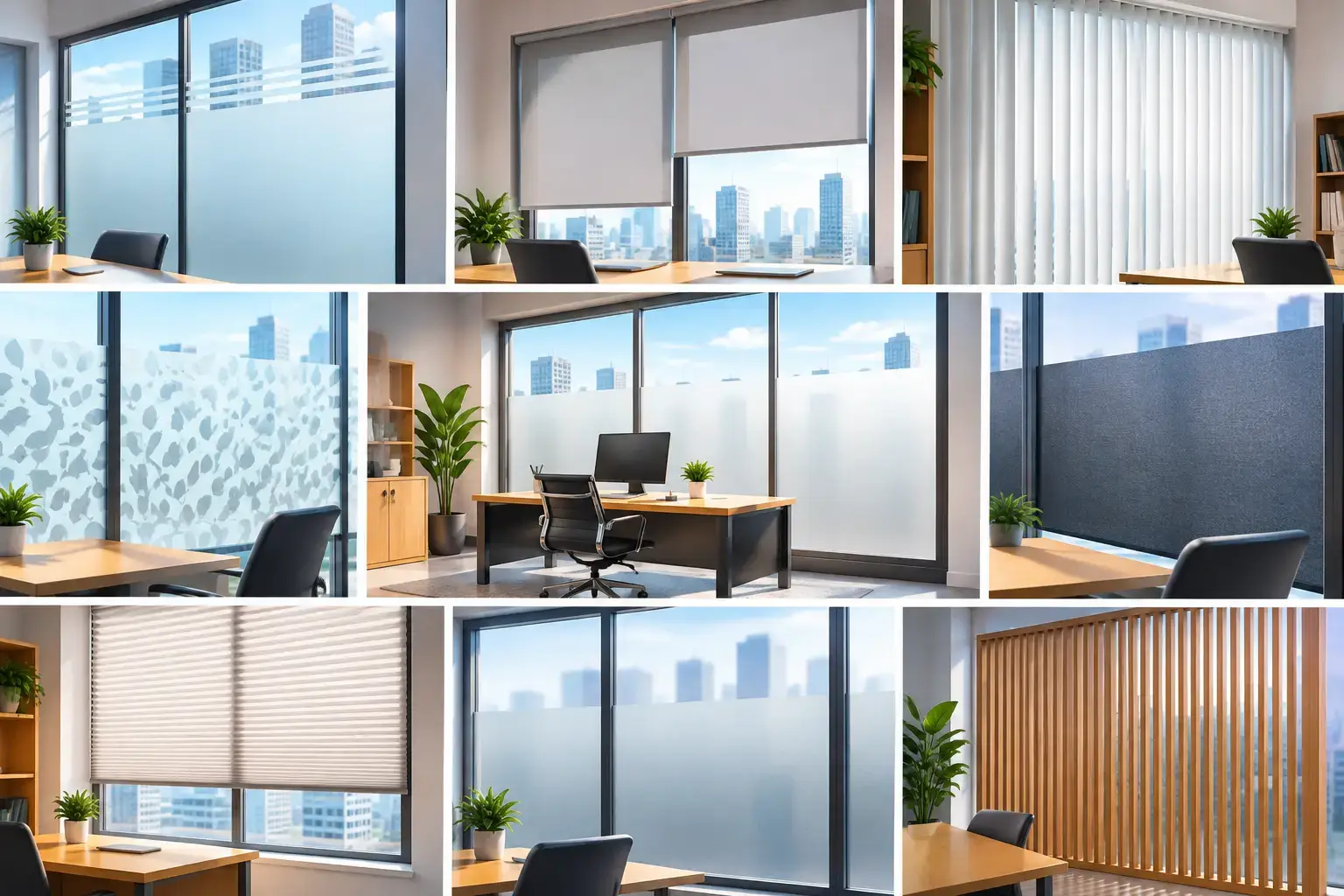
Install UV-Blocking Window Film
For homes and commercial buildings with large or frequently used windows, professionally installed window film is one of the most effective ways to block UV without giving up daylight or the view. Many high-quality solar control films reject up to 99% of UV rays, helping protect occupants and the items closest to the glass.
Window film is especially valuable in rooms where the sun consistently hits hardwood flooring, artwork, upholstery, rugs, cabinetry, retail merchandise, or reception areas. In offices, it can make perimeter workstations more comfortable. In retail environments, it helps reduce the exposure that can dull displays and packaging over time.
The best film is not always the darkest film. Modern solar films are available in clear and low-reflectivity options that preserve a natural appearance while reducing UV transmission, glare, and heat. A darker or more reflective film may be appropriate for certain storefronts, conference rooms, or high-glare spaces, but it can change exterior appearance and reduce visible light. A careful assessment of window orientation, glass type, interior use, and design goals leads to a better result.
Choose Film for More Than UV Rejection
UV rejection is a major benefit, but it should not be the only specification considered. If afternoon heat is the main frustration, look at solar heat reduction. If employees or guests struggle to see screens, glare reduction should be part of the selection. If the goal is to shield merchandise or valuable finishes, visible light transmission and the film’s overall solar performance matter as well.
Professional installation also matters. A precisely fitted film has clean edges, consistent appearance, and performance that matches the product selected. Comfort Pro helps property owners compare these trade-offs so the finished installation supports comfort, appearance, and long-term protection instead of solving one problem while creating another.
Add Shade Where the Sun Is Strongest
Exterior shade stops sunlight before it reaches the glass, making it a highly effective complement to window film. Awnings, overhangs, shade sails, exterior screens, covered patios, and strategically placed landscaping can reduce direct sun on vulnerable windows and outdoor gathering areas.
Inside, roller shades, cellular shades, blinds, and drapery provide another layer of control. They are useful when occupants want adjustable privacy or need to manage changing sun angles throughout the day. Their limitation is that sunlight has already passed through the glass and entered the room, which is why interior shades alone may not deliver the same heat-control benefit as exterior shade or solar film.
For a west-facing room in Southern California, combining a solar film with an adjustable shade is often a smart approach. The film provides consistent UV protection all day, while the shade can be closed during the most intense late-afternoon glare.
Wear Protective Clothing and Accessories Outdoors
Building improvements protect indoor spaces, but personal protection is still essential outside. Tightly woven clothing, long sleeves, wide-brimmed hats, and UV-rated sunglasses offer reliable physical coverage. Clothing labeled with an ultraviolet protection factor, or UPF, is designed to reduce UV transmission and can be particularly helpful for long days outside, at job sites, or during recreational activities.
Sunglasses should block both UVA and UVB. Lens darkness is not a dependable indicator of UV protection, so look for a clear UV-blocking designation rather than choosing based on tint alone. A wide-brimmed hat protects areas that are easy to miss with sunscreen, including the ears, scalp, and neck.
Shade and clothing are not interchangeable. A patio umbrella can lower direct exposure, but reflected UV from concrete, glass, water, and light-colored surfaces can still reach skin. Physical coverage remains useful even when you are sitting in the shade.
Use Broad-Spectrum Sunscreen Correctly
Broad-spectrum sunscreen protects against both UVA and UVB. For routine outdoor use, choose SPF 30 or higher and apply it generously to exposed skin before heading outside. Reapply according to the product directions, especially after swimming, sweating, or towel drying.
Sunscreen works best as the final layer of a protection strategy, not the entire strategy. It can be missed, applied too lightly, or wear off during the day. Pairing it with shade, clothing, sunglasses, and sensible scheduling provides more dependable coverage.
Do not assume cloudy weather eliminates the need for sunscreen. UV can still reach skin through cloud cover, and the risk is easy to underestimate when temperatures are mild. In California, clear skies and frequent outdoor time can make consistent habits particularly valuable year-round.
Manage Daily Exposure Around Windows
A few operating habits can reduce avoidable exposure in spaces that receive direct sun. Move seating, desks, children’s play areas, and display racks slightly away from unprotected windows when possible. Rotate artwork, rugs, and merchandise periodically if they cannot be moved. Close adjustable shades during the hours when direct sun enters the room.
For property managers and business owners, pay attention to the spaces people use for several hours at a time. A bright lobby may look excellent in the morning but become uncomfortable by midafternoon. A conference room may only have glare during certain seasons. These patterns help identify where a permanent film solution, shade upgrade, or furniture adjustment will have the greatest impact.
Protect Furnishings With a Layered Plan
If fading is already visible, focus first on the windows receiving the most direct exposure. Wood flooring, fabrics, leather, paper goods, paint, photographs, and retail displays can all be sensitive to sunlight, but their response varies. Some materials fade quickly; others darken, dry out, or become brittle.
Solar control window film can substantially reduce UV exposure, yet no product can make a sun-facing interior completely immune to change. Strong visible light, heat, and the natural aging of materials remain factors. Use film alongside shading, thoughtful placement, and protective finishes or coverings where appropriate. This layered approach is more realistic and more effective than expecting one measure to solve every fading issue.
Build Protection Around Your Space and Routine
The most effective UV strategy is specific to the way a space is used. A homeowner may prioritize preserving floors and cooling a bright family room. A facility manager may need to reduce glare across a bank of workstations. A retailer may be protecting window displays without making the storefront look dark. Each situation calls for a different balance of daylight, visibility, comfort, and protection.
Start by observing when and where direct sun creates a problem. Then use window film for consistent glass-level protection, add shade for intense exposures, and maintain personal sun-protection habits outdoors. Small changes can make a noticeable difference, but targeted improvements at the right windows often deliver the most lasting comfort and protection.