A broken window changes the situation fast. Whether the concern is forced entry, storm debris, or accidental impact, glass is often the weakest point in the envelope of a home. That is why many homeowners start looking at security window film for homes when they want added protection without replacing every window.
This upgrade is practical because it works with the glass you already have. Instead of changing the appearance of the home with heavy bars or shutters, security film helps hold shattered glass together and makes the window harder to breach quickly. That delay matters. In many real-world situations, extra resistance is exactly what discourages an intruder or reduces the hazard from flying glass.
What security window film for homes actually does
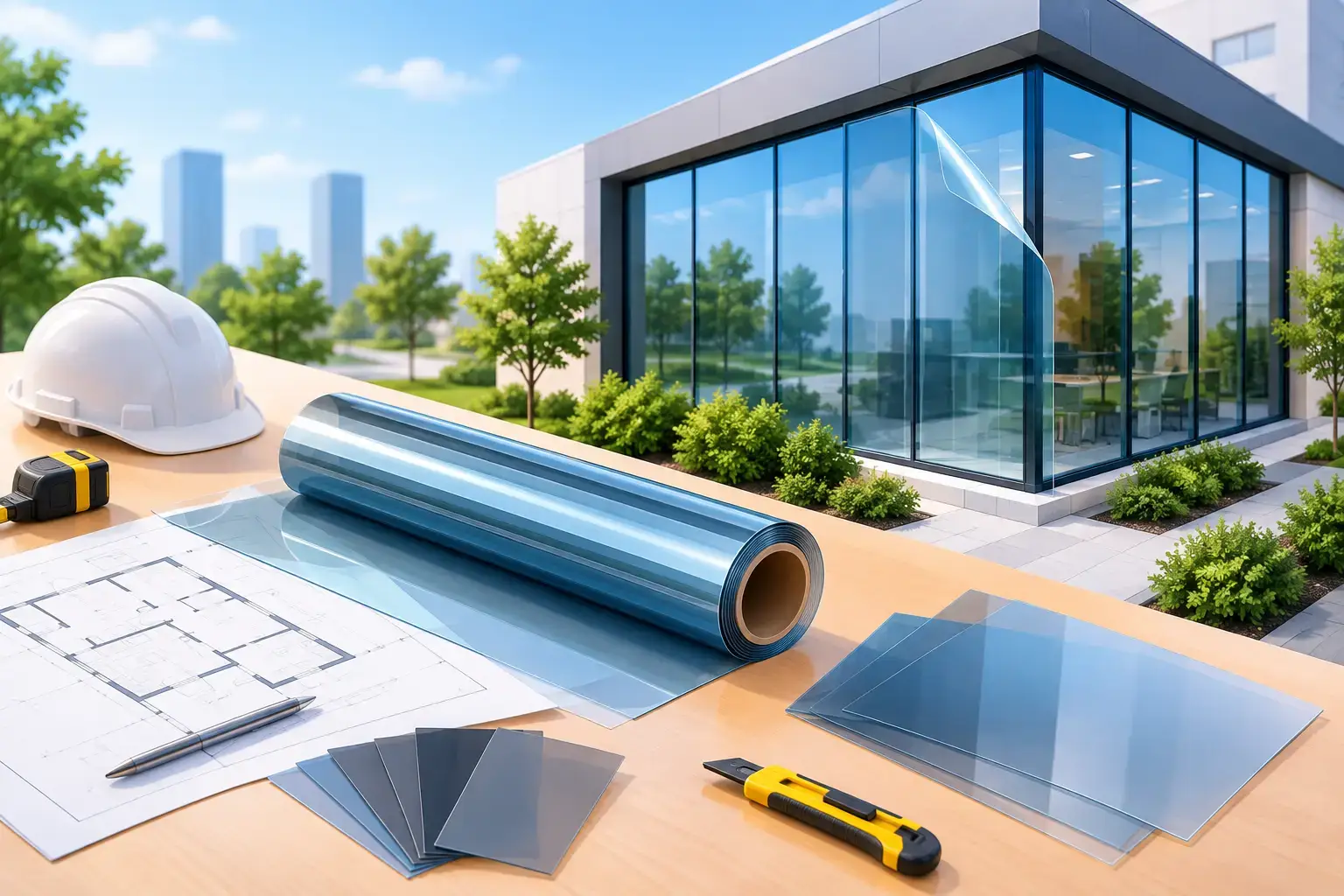
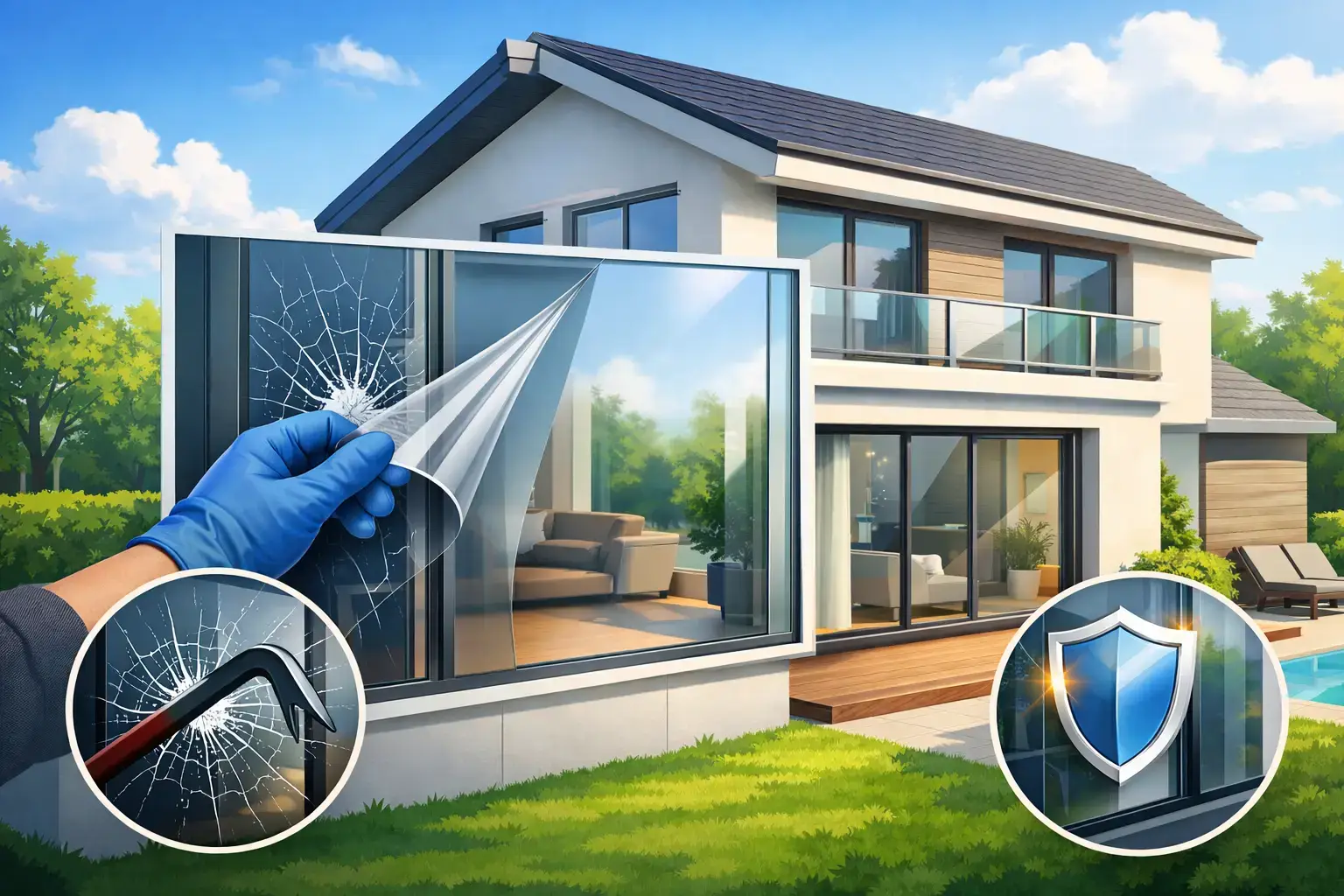
Security film is a thick polyester film applied directly to interior glass surfaces. Its main job is not to make glass unbreakable. That is one of the biggest misconceptions. Glass can still crack under enough force. What the film does is help keep the broken pieces bonded together instead of scattering inward.
That difference is significant. When untreated glass breaks, it can create sharp, dangerous fragments and a fast opening through the window. With professionally selected and installed security film, the glass takes more effort to penetrate, and the broken panel is more likely to stay in place longer. For homeowners, that can mean better protection during break-in attempts, less injury risk after impact, and more time to react.
Some systems also include attachment methods that strengthen how the filmed glass interacts with the frame. This matters because glass strength is only one part of the equation. If the glass stays together but the whole unit pops out of the frame, the benefit is reduced. A proper assessment looks at the full assembly, not just the film thickness.
When this upgrade makes the most sense
Security film is a strong fit for homes with accessible first-floor windows, glass doors, sidelights, and larger panes near entry points. These are common targets because they offer visibility and access. Homes with extensive glass facing a backyard, pool area, or quiet side yard often benefit as well, especially where privacy and response time are concerns.
It can also be a smart option in areas where wind events and accidental impacts are part of the conversation. In parts of California, homeowners often balance aesthetics with practical protection. Security film helps preserve the look of the home while adding a layer of defense that does not feel intrusive.
There is also a quality-of-life angle people sometimes overlook. Many security films can be paired with solar control benefits, depending on the product selected. That means one project may help with safety, glare, UV exposure, and interior fading at the same time. It depends on the film type and your priorities, but for many households, that combination makes the investment easier to justify.
What security film does not do
A good installer should be clear about limitations. Security window film for homes is not the same thing as bullet-resistant glazing, and it is not a guarantee that glass will never fail. It is a protective measure that improves resistance and containment.
It also does not replace strong locks, good lighting, alarm systems, or thoughtful landscape design. Home security works best in layers. Film adds one of those layers by making glass less vulnerable and less easy to exploit. That is valuable, but it should be viewed as part of a broader strategy rather than a single cure-all.
Another point is that product performance can vary widely. Thicker is not automatically better if the wrong film is paired with the wrong glass or frame. Poor installation can also undermine the result. Edge gaps, contamination, and weak anchoring details all affect how the system performs under stress.
Choosing the right security window film for homes
The right film depends on the window location, glass type, exposure, and the problem you are trying to solve. A homeowner focused on smash-and-grab resistance at a patio door may need a different recommendation than someone worried about accidental breakage in a child’s room or glass fragments near a stairwell.
Thickness is part of the conversation, but so is clarity, compatibility, and whether the installation includes an attachment system. Some homeowners want maximum visible-light transmission so the film is nearly undetectable. Others prefer to combine security with heat and glare reduction. Both approaches can be valid.
This is where a site-specific consultation makes a difference. An experienced film specialist will evaluate the glass, frame condition, and risk points before making a recommendation. That helps avoid the common mistake of treating every pane in the house the same way, even though the exposures and vulnerabilities are different.
Professional installation matters more than most people expect
Window film looks simple until performance matters. On a decorative project, a cosmetic flaw is frustrating. On a security project, installation quality directly affects the result.
The glass has to be prepared correctly, the film has to be cut and applied with precision, and the final finish has to support long-term adhesion. If the project includes edge retention or frame attachment, those details need to be executed carefully. Small shortcuts can create weak points that show up when the glass is impacted.
Professional installation also helps protect the appearance of the home. High-quality security films are designed to be clean and low-profile. When installed well, they do not make windows look bulky or heavily modified. For homeowners who want better protection without changing the character of the property, that is a major advantage.
Comfort Pro approaches these projects the same way it handles all specialty film work – with precise installation, clear communication, and product recommendations based on the actual use case rather than a one-size-fits-all pitch.
Cost, value, and the trade-offs to consider
Security film is typically more affordable than full window replacement, which is one reason it gets serious attention from homeowners. It allows you to strengthen existing glass in targeted areas without taking on the cost and disruption of replacing every unit.
That said, value depends on expectations. If your current windows are old, compromised, or poorly framed, film may improve performance but not solve every structural weakness. In some cases, replacement or broader upgrades may still be worth considering. A trustworthy contractor should tell you when film is the right answer and when it is only a partial one.
There is also the question of priorities. If security is the main goal, choose a film system built around that need. If comfort, UV reduction, and glare are equally important, a combined-performance product may make more sense. The best choice is not always the most aggressive film. It is the one that matches how the space is used and what risks matter most to you.
Common places homeowners choose to film first
Most people do not start with every window in the house. They begin with the areas that carry the highest risk or the highest value. Sliding glass doors are a common first step because they combine large panes with direct access. Sidelights next to front doors are another smart priority, since they can be vulnerable points near locking hardware.
Ground-floor bedroom windows, fixed panes facing secluded yards, and glass around stair landings or family rooms also come up often. In homes with children or active entertaining spaces, film can provide peace of mind simply by reducing the danger of shattered glass if an accident happens.
That targeted approach keeps the project practical. It also allows homeowners to focus their budget where added protection will have the most impact.
Questions worth asking before you move forward
Before choosing a product, ask what type of threat or concern the film is meant to address. Ask whether your existing glass and frame are good candidates. Ask if the recommendation includes a frame attachment system, and if not, why not. You should also ask about appearance, warranty coverage, and what kind of maintenance the film requires after installation.
Good answers should be straightforward. You should not need to sort through vague claims or dramatic promises. The goal is a clear understanding of what the film will do, what it will not do, and how it fits into your home improvement priorities.
For many homeowners, security film is not about fear. It is about reducing vulnerability in a way that feels measured, clean, and worthwhile. If a window is the weak point, strengthening it is one of the more sensible upgrades you can make.