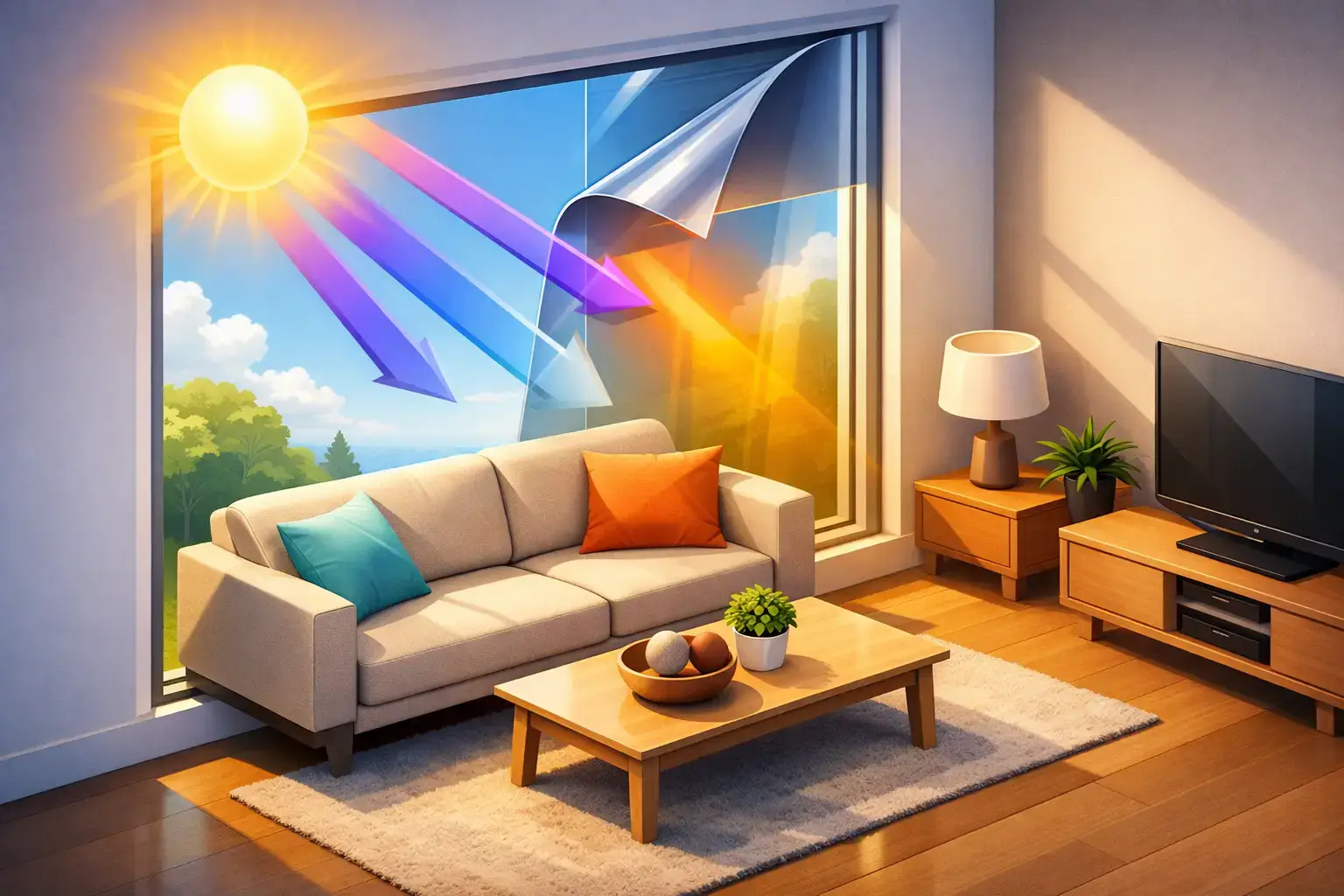
A sofa that looked rich and new six months ago can start showing it first on the sun-facing arm. Hardwood near a picture window turns slightly uneven in color. Artwork loses depth. That is usually not a cleaning issue or a material defect – it is daily UV exposure doing exactly what sunlight does over time. UV window film for furniture protection is one of the most effective ways to slow that damage without closing off your space.
For homeowners, retail operators, and property managers, the appeal is simple. You want the natural light, the view, and the open feel of large windows, but you do not want that sunlight quietly bleaching fabrics, drying wood finishes, and aging interior surfaces faster than they should. A professionally selected film helps you keep the brightness while reducing one of the biggest causes of interior fading.
How sunlight damages furniture faster than most people realize
Most fading happens gradually, which is why it often gets ignored until the contrast becomes obvious. Move a rug and you see the original floor color underneath. Rotate a chair and realize one side is lighter. In storefronts and office spaces, product displays and seating areas can age unevenly depending on where the sun lands during the day.
UV radiation is a major factor, but it is not the only one. Visible light contributes to fading, and heat can accelerate the breakdown of certain materials. That matters because some people assume that any dark tint will solve the problem. The reality is more specific. The right film is designed to reject a very high percentage of ultraviolet rays while also helping with glare and, in many cases, solar heat.
Different materials respond differently. Natural wood, leather, dyed textiles, vinyl, printed graphics, and flooring all have their own sensitivity to sunlight. South- and west-facing rooms usually take the most abuse, but any window with prolonged exposure can create trouble spots.
What UV window film for furniture protection actually does
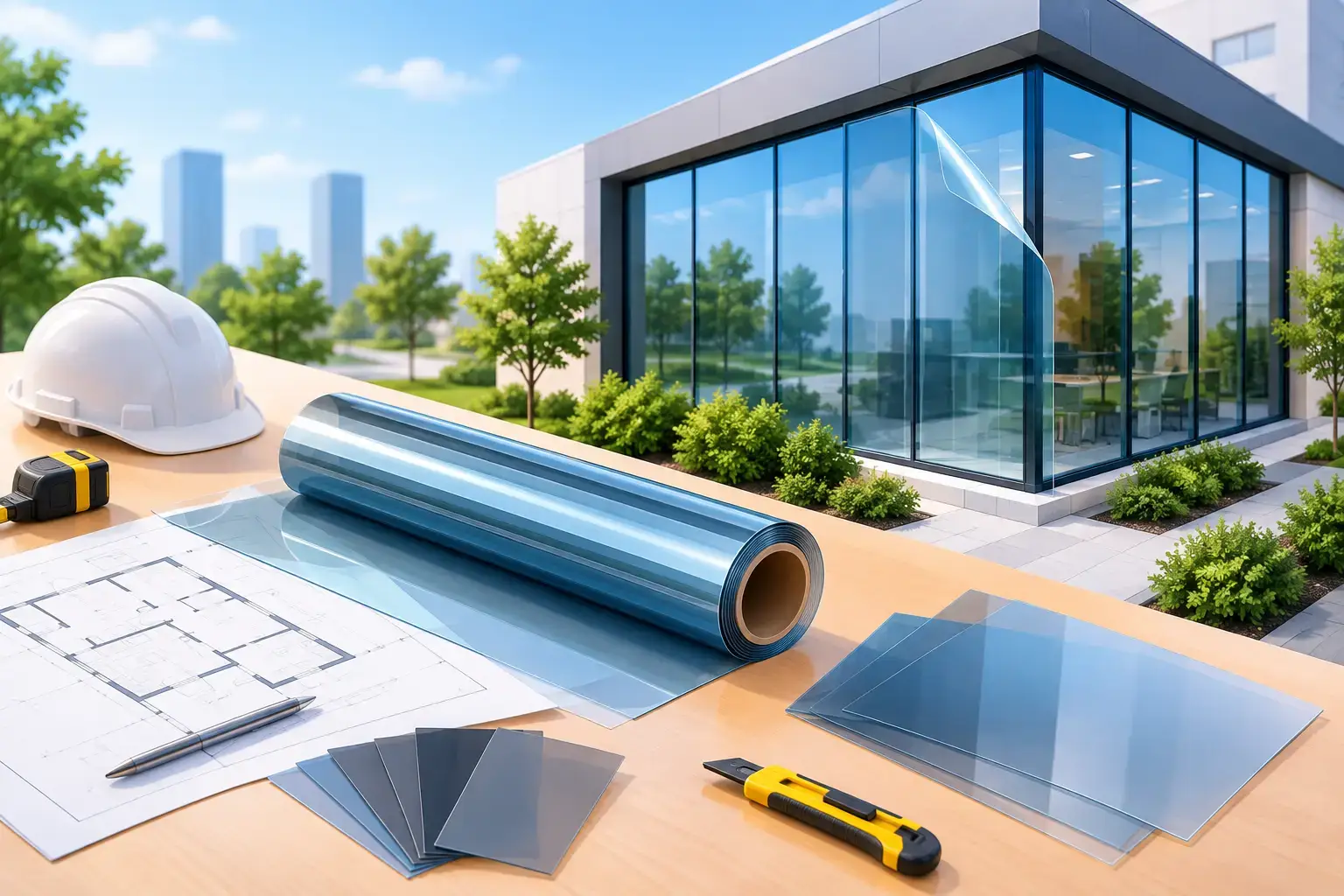
At its core, window film is a thin, professionally applied layer installed on existing glass. High-quality UV-filtering films are engineered to block up to 99 percent of harmful UV rays. That reduction can significantly slow fading across furniture, flooring, artwork, and merchandise.
The key word is slow. No film can stop fading forever because visible light and heat still play a role, and materials age naturally. But slowing the process is a meaningful win. It can extend the life of upholstered furniture, help preserve wood tones, protect retail inventory presentation, and reduce the need for premature replacement.
This is also where professional guidance matters. Not every film is meant for the same result. Some films prioritize heat rejection. Others are nearly clear and focus on UV protection with minimal change to the appearance of the glass. Some offer a more reflective exterior look, while others maintain a softer, more natural finish indoors. The right choice depends on how much sun you get, what you are trying to protect, and how sensitive you are to changes in daylight or aesthetics.
Clear vs tinted film: which is better?
This is one of the most common questions because many buyers want protection without making their windows noticeably darker. In many homes, that is entirely possible. Clear and low-visibility films can provide strong UV rejection while preserving the look of the window. They are especially popular in spaces where design matters, such as living rooms, retail storefronts, lobbies, and offices with a clean architectural style.
Tinted or more reflective films can add another layer of performance by reducing glare and solar heat more aggressively. That can be helpful in rooms that get intense afternoon sun or in commercial spaces where occupant comfort is also a concern. The trade-off is appearance. A darker or more reflective film changes how the glass looks from inside or outside, sometimes both.
There is no universal best option. If fading is the main concern and you want the least visual change, a clear UV-blocking film may be the right fit. If the room also runs hot, feels harsh during peak sun hours, or has persistent glare on screens, a solar control film may offer better all-around value.
Where furniture protection film makes the biggest difference
Large windows, sliding glass doors, skylight-adjacent spaces, and rooms with strong direct sun are the obvious candidates. In homes, common problem areas include living rooms, dining rooms, sunrooms, and primary bedrooms with broad window exposure. In commercial settings, storefront displays, waiting areas, conference rooms, hotel lobbies, and leasing offices often benefit quickly.
Retail environments are a good example of why this matters beyond furniture alone. Sun-faded display materials, packaging, fabrics, and branded interiors can make a space look tired before its time. Film helps preserve presentation while improving customer comfort near the glass.
Property managers also tend to see the long-term value. Replacing faded blinds, worn lobby furniture, damaged flooring, or unevenly aged finishes across multiple units or shared spaces adds up. Window film is often a more cost-effective preventive upgrade than repeated cosmetic replacement.
Why installation quality matters more than many people expect
Even a premium film will not perform as intended if it is poorly installed or incorrectly specified for the glass. The glass type, window orientation, local climate, and performance goals all affect product selection. In sunny California markets, where UV exposure and heat load can be intense for much of the year, these details matter even more.
Professional installation is about more than avoiding bubbles. It helps ensure the film adheres correctly, looks clean, performs consistently, and is compatible with the existing glass. It also gives you a chance to evaluate whether the project should prioritize UV reduction alone or combine it with heat control, glare reduction, privacy, or decorative goals.
A careful installer will also be honest about limitations. Film will not reverse existing fading. It will not make every hot room comfortable if insulation and window performance are poor overall. And if a room receives prolonged direct light every day, some gradual aging is still expected. Good advice is not about promising perfection. It is about matching the product to the problem so the result is worth the investment.
What to expect after film is installed
The most immediate changes are usually subtler than people expect. In many cases, the room still feels bright, just less harsh. Glare is reduced, sun-facing seating becomes more usable, and the space often feels easier to enjoy during peak daylight hours.
The bigger benefit shows up over time. Furniture, rugs, wood finishes, and interior details are better shielded from the daily wear of UV exposure. In some spaces, that long-term preservation matters as much as the comfort improvement. If you have invested in custom furniture, flooring, merchandise displays, or design finishes, slowing down fade and material breakdown is a practical way to protect that investment.
Maintenance is straightforward. Professionally installed film is designed to be durable, but it should still be cleaned with appropriate, non-abrasive methods. The installer should explain cure time and care recommendations so you know what to expect in the first few days after application.
Is UV window film worth it for furniture protection?
If your interiors get regular sun and you care about preserving furnishings, the answer is often yes. The value becomes even clearer when you compare the cost of film to the cost of replacing faded upholstery, refinishing wood, rotating inventory, or living with rooms that are bright but uncomfortable.
That said, the right film depends on your priorities. Some buyers want the clearest possible glass with strong UV protection. Others want a broader comfort upgrade that also addresses heat and glare. A good consultation should narrow those options quickly and explain the trade-offs in plain terms.
For many properties, window film sits in that rare category of upgrades that protects appearance and improves day-to-day comfort at the same time. If sunlight is quietly wearing down the spaces you have invested in, addressing it early is usually the smarter move than waiting until the damage becomes impossible to miss.
The best time to protect furniture is before fading turns into replacement. A well-chosen film keeps your windows working for the room, not against it.