
The short answer: window film is better when you want to cut heat, glare and UV fading while keeping your view and daylight. Blinds, shades and curtains are better when you need privacy at night or want to block light completely on demand. In many homes the best answer is both: film on the glass, with a lighter window covering you only close when you need to.
Film and window coverings solve overlapping problems in different ways. Film works on the glass itself and is always on. Blinds, shades and curtains sit inside the room and work only when they’re closed. That single difference explains most of the trade-offs below.
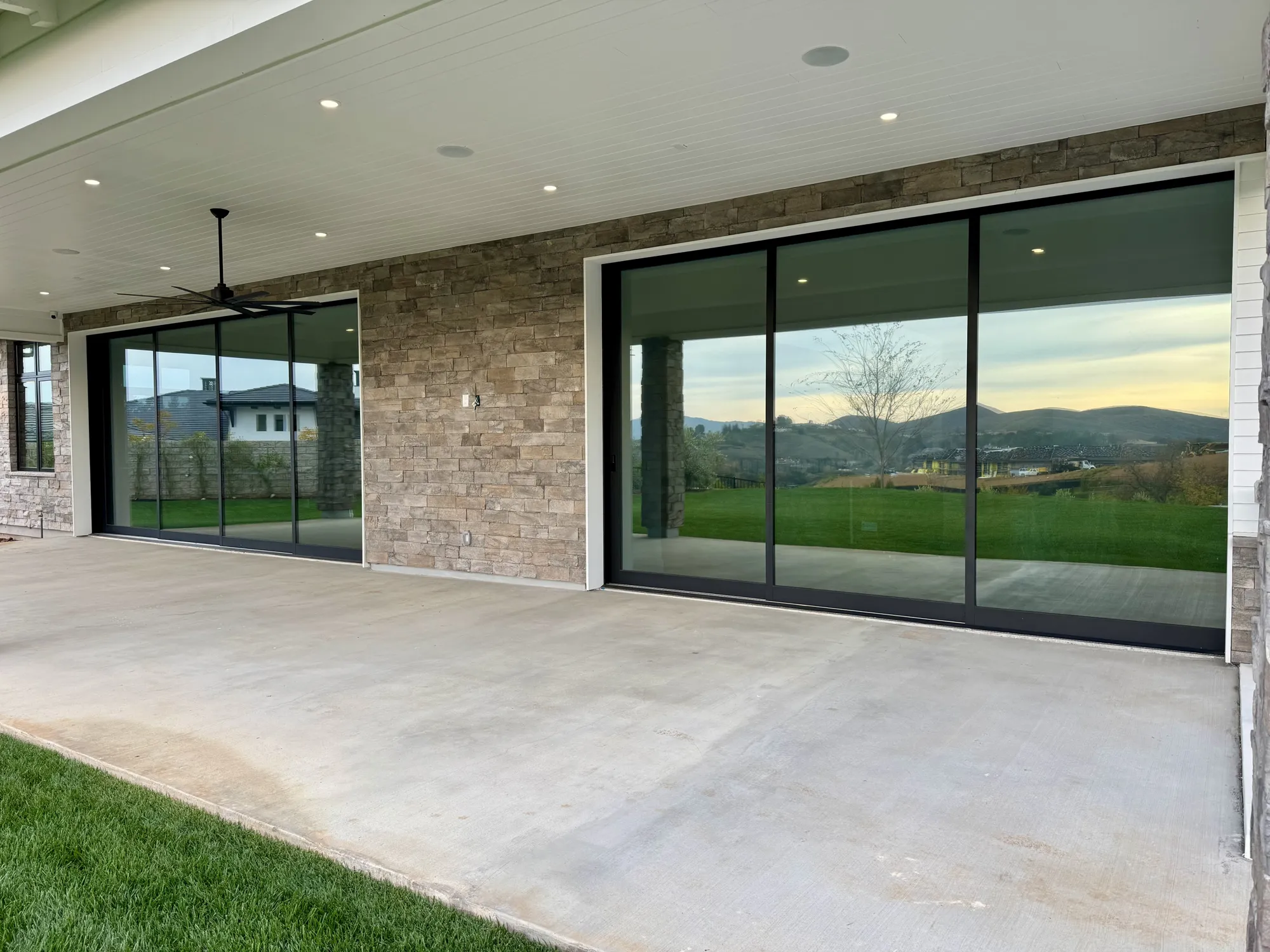
Side-by-side comparison
| Factor | Window film | Blinds, shades and curtains |
|---|---|---|
| View and daylight | Clear and solar films keep the view; frosted film keeps light but not the view | Full view when open; reduced or no view when closed |
| Heat from the sun | Rejects solar heat at the glass, all day, without being adjusted | Helps when closed; some heat is already inside the room once it passes the glass |
| UV and fading | Many architectural films block nearly all UV, with no need to remember to close anything | Only while closed and depending on the fabric |
| Daytime privacy | Reflective and darker films give daytime privacy; frosted film gives full privacy | Yes, when closed |
| Nighttime privacy | Only frosted, decorative or opaque films; reflective film does not provide it | Yes, when closed |
| Blocking light completely | Only with an opaque film, which is permanent until removed | Yes, with blackout fabrics, and you can open them again |
| Adjustability | None; it’s always on | Open, close or tilt as needed |
| Cleaning and wear | Cleaned with the glass using soft cloths and non-abrasive cleaners | Collect dust; slats and fabrics wear and can fade in direct sun |
| Child safety | No cords | Corded styles are a strangulation hazard; cordless is safest |
| Hard-to-reach glass | Works on transoms, clerestories and skylights where coverings are awkward | Often impractical or needs motorization |
Where window film wins
Heat and glare without giving up the view
If you bought a home for the view, closing blinds all afternoon defeats the purpose. Solar film works at the glass, rejecting a share of the sun’s heat and cutting glare while you keep looking out. The U.S. Department of Energy’s Energy Saver Guide lists both approaches for warm weather: closing draperies on sunny windows and applying sun-control or reflective films on east- and west-facing windows. Film is the one that keeps working when nobody is home to close the drapes.
How much heat a film rejects depends on the product. Compare films using the total solar energy rejected (TSER) or solar heat gain coefficient (SHGC) published on the manufacturer’s spec sheet, not general claims.
UV and fading
Fabric, wood floors and artwork fade in rooms with a lot of sun. Many architectural films block nearly all ultraviolet (UV) light, and they do it every hour of the day. Madico, for example, lists its Frost Matte film at 99% or more UV rejection; check the spec sheet for any film you’re considering. That said, UV is only one cause of fading; visible light and heat contribute too. The International Window Film Association notes that no film eliminates fading entirely; it slows it down. Our guide to the best ways to block UV covers this in more detail.
Glass where coverings don’t work
Tall great-room windows, clerestories, transoms, angled glass and skylights are hard to cover. Film handles them the same way it handles any other window. See our skylight window film page for sloped glass, which has its own film and warranty rules.
A cleaner look
Film doesn’t add hardware, cords or fabric to the room. Nearly clear films are hard to notice at all.
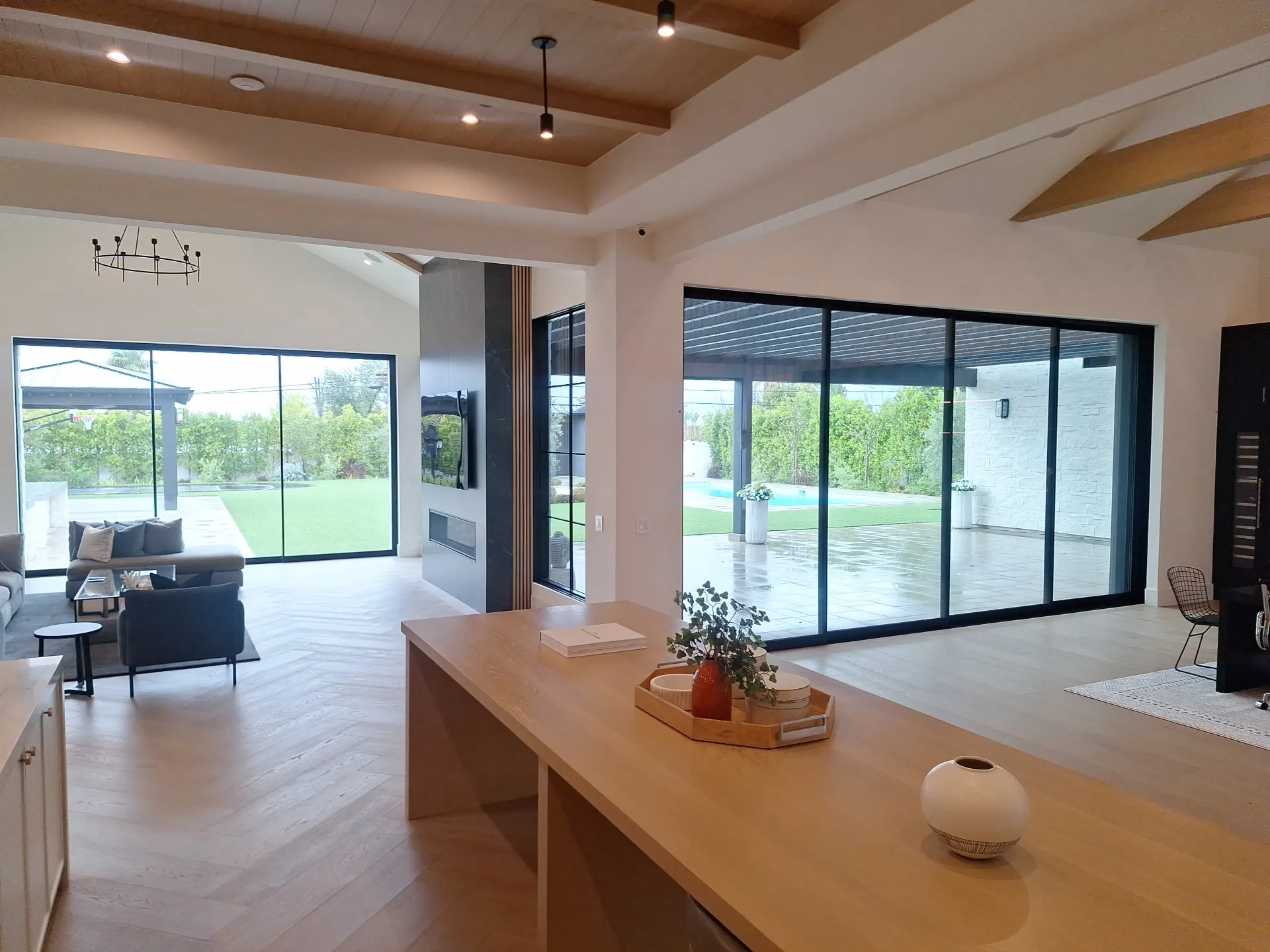
Where blinds, shades and curtains win
Privacy at night
This is the biggest limit of film. Reflective and dark solar films give privacy during the day because it’s brighter outside. After dark, with your lights on, people can see in. If you need privacy at night and want a clear view during the day, you need a covering you can close, or a frosted or patterned film on the part of the glass where privacy matters. Our guide to improving home privacy without blocking light walks through those options.
Darkness on demand
Bedrooms, nurseries and media rooms often need real darkness at some times and full light at others. Blackout shades or lined curtains do that. Opaque film blocks light all the time, which is rarely what you want in a living space.
Insulation at night
Some coverings add a layer of trapped air at the window. The Department of Energy’s cellular shades fact sheet notes that although blinds block some solar radiation, they do not provide much insulation, while cellular shades are designed to insulate. Standard solar films are mainly about solar heat during the day, not winter insulation, so if cold windows are the main complaint, an insulating shade may matter more than film.
Renters and short-term needs
If you don’t own the home or don’t plan to stay, a covering you can take with you may make more sense. Film can be removed, but it should be done carefully, and it stays with the glass.
Film versus curtains specifically
Curtains and drapes add softness, color and sound absorption that film can’t. They also block a lot of light and view when closed and collect dust over time. Sheer curtains are the closest to frosted film: they soften light and blur the view during the day, but much of that privacy disappears at night when the room is lit. Frosted film keeps a similar look at all hours and doesn’t move, fade or need washing. If you like the look of drapes, keep them as a design element and let film do the daily work of controlling sun and UV.
Safety note on corded coverings
The U.S. Consumer Product Safety Commission warns that corded window coverings are a strangulation hazard for young children and recommends cordless window coverings in homes with children. If you’re replacing older corded blinds, cordless or motorized options are worth the switch, with or without film.
Using both
Combining film and coverings is often the most practical setup:
- Living areas with views: a clear or light solar film for heat, glare and UV, with sheer or light shades for evenings.
- West-facing rooms: a darker solar film for afternoon glare, so the shades stay open more of the day.
- Bathrooms and entries: frosted film, so you don’t need a covering at all.
- Bedrooms: solar film for daytime comfort and fabric protection, with blackout shades for sleep.
Before adding film, confirm it suits your glass. Film adds some heat stress to the glass, and manufacturers publish which films can go on which glass types, including many dual-pane and Low-E (low-emissivity) windows. A professional installer should check this before quoting.
When film isn’t worth it
- The window is shaded all day by trees, overhangs or neighboring buildings, and glare isn’t a problem.
- Your only goal is nighttime privacy or darkness.
- You plan to replace the windows soon.
- The glass type isn’t approved for any film that would meet your goals.
Talk through your windows with us
If you’re deciding between film, coverings or both, we can look at your windows, show samples on your glass and tell you honestly where film helps and where a shade would do more. Learn more about residential window tinting or contact us to set up a visit.