
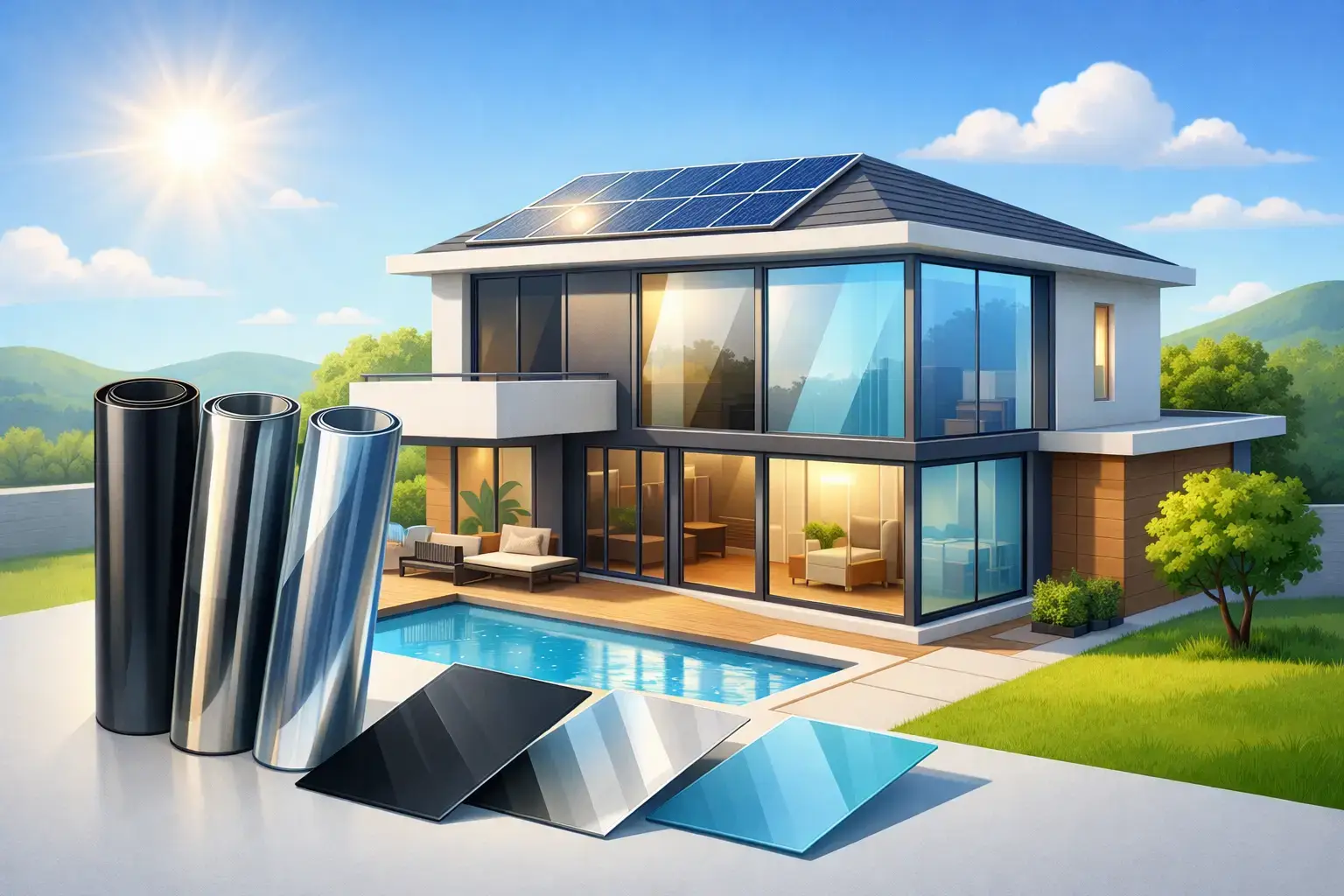
A west-facing living room can look perfect at 10 a.m. and feel unbearable by 3 p.m. The right fix is not always replacing the glass. For many homeowners, the best solar films for homes are the ones that cut heat and glare without making rooms feel dark, changing the exterior too much, or creating a mismatch from one window to the next.
That is where product selection matters. Solar film is not one single category with one level of performance. Some films are designed to reduce glare in bright family rooms. Others focus on blocking solar heat, protecting floors and furniture from fading, or keeping a cleaner, more neutral appearance on the glass. The best choice depends on how the room is used, how much direct sun it gets, and what kind of look you want from inside and out.
What makes the best solar films for homes?
Homeowners often start by asking for the darkest film available, assuming darker means cooler. Sometimes it does, but not always. Modern solar control films can reject a significant amount of heat while keeping a lighter, more natural appearance. That matters when you want comfort without making your home look reflective, overly tinted, or uneven from elevation to elevation.
The most useful performance factors are solar heat rejection, glare reduction, UV protection, and visible light transmission. Heat rejection helps rooms stay more comfortable and can reduce the load on your cooling system. Glare reduction makes screens easier to view and cuts eye strain in rooms with heavy afternoon sun. UV protection helps limit fading on wood floors, furniture, rugs, and artwork. Visible light transmission tells you how much daylight still comes through, which affects the feel of the space.
The real answer is usually a balance. A media room with strong sun exposure may benefit from a film with more glare reduction and a lower visible light transmission. A kitchen or living area may need a lighter film that preserves brightness while still reducing heat. If you only shop by one number, you can end up with a result that performs well on paper but feels off in daily use.
Types of solar films for homes
There are a few major categories, and each has strengths and trade-offs.
Dyed films are typically the more budget-conscious option. They can reduce glare and improve appearance, but they usually do not offer the same heat rejection or long-term performance as higher-end products. For homeowners who want stronger energy and comfort benefits, they are often not the first recommendation.
Metalized films can provide solid solar performance, but they sometimes create a more reflective look. In some homes, that is acceptable or even desirable. In others, especially where maintaining a softer exterior appearance matters, it may not be the right fit. Depending on the product, metalized film can also interfere with certain signals, which is worth discussing before installation.
Carbon films are popular because they offer a richer appearance and good solar control without the same level of reflectivity associated with some metalized options. They can be a strong middle-ground choice for homeowners who want performance and aesthetics.
Ceramic films are often considered among the best solar films for homes because they combine heat rejection, glare control, and UV protection with a more refined appearance. They are especially useful when you want high performance without going very dark. Ceramic films tend to cost more, but for many homeowners the improved clarity and comfort are worth it.
Spectrally selective films deserve special attention. These films are designed to reject a large portion of infrared heat while allowing more visible light to pass through. In practical terms, they can keep rooms cooler without dramatically changing the look of the windows. If your goal is a bright interior with less heat gain, this category is often one of the strongest options.
Best solar films for homes by room and use case
The best film for a whole house is rarely the exact same film for every pane of glass. Room-by-room planning usually produces a better result.
Living rooms and family rooms
These spaces often need balance more than anything else. Homeowners want to reduce afternoon heat and soften glare on TVs without making the room feel closed in. Ceramic or spectrally selective films are often excellent here because they can lower solar gain while preserving a comfortable amount of daylight.
If the room has large picture windows facing west or south, stronger heat rejection may matter more than privacy. In that case, a higher-performance film with a neutral finish usually makes more sense than simply choosing a darker shade.
Bedrooms
Bedrooms can tolerate a bit more tint if sun exposure is an issue, especially in rooms that heat up early in the morning or stay bright too long in the evening. The right film can improve sleep comfort, reduce glare, and help protect fabrics and flooring. If privacy is a goal at the same time, the film selection should account for both daytime visibility and the existing window coverings.
Kitchens and dining areas
These rooms usually benefit from lighter films. Homeowners often want to keep a clean, open feel while reducing heat and harsh glare during peak sun hours. A very dark film can make these spaces feel flatter than expected, especially if cabinetry or finishes depend on natural light to look their best.
Home offices
This is one of the clearest use cases for solar film. Screen glare, eye fatigue, and uneven room temperatures can make a home office frustrating fast. A film with strong glare control and moderate visible light transmission can make the space easier to work in without sacrificing daylight.
Sunrooms and rooms with oversized glass
These are often the most demanding spaces. High sun exposure, wide glass areas, and long periods of occupancy create a comfort problem that basic film may not solve well. Premium ceramic or spectrally selective films are commonly the better investment in these areas because they address heat gain more effectively while keeping the room usable.
Appearance matters more than most people expect
Performance is critical, but homeowners live with the visual result every day. Some films look very neutral. Others create a noticeable reflective exterior or a darker interior view. Neither is automatically wrong, but the choice should match the architecture of the home and your expectations.
This is especially important if not every window will be filmed. A mismatch between treated and untreated glass can be obvious from the street. It can also be noticeable inside, where one room feels crisp and balanced while the next feels too dim or too bright. A professional recommendation usually accounts for consistency, not just technical specs.
Common mistakes when choosing solar film
One of the biggest mistakes is assuming the darkest film is the best performing film. Another is choosing based only on price. Lower-cost products may look fine at first but deliver less heat rejection, less optical clarity, or a shorter useful lifespan.
Glass type is another factor people overlook. Not every film is appropriate for every window. Dual-pane units, tempered glass, large panes, and specialty glass can all affect what is safe and effective to install. The wrong product can create thermal stress or simply underperform.
DIY selection is where many projects start to go sideways. The issue is not only application quality, though that matters. It is also product fit. A homeowner may order a film marketed as high performance, only to find it creates too much reflectivity, changes the room more than expected, or does not address the actual heat problem they were trying to solve.
How to choose the right installer
Even the best solar film will not perform or look right if it is installed poorly. Clean edges, precise trimming, proper glass prep, and thoughtful product matching all affect the finished result. This is one of those services where craftsmanship is visible.
A qualified installer should ask about orientation, room usage, glass type, appearance goals, and specific pain points such as fading, hot spots, or screen glare. That consultation is part of the value. It helps narrow the film options to the ones that actually fit your home instead of turning the project into guesswork.
For homeowners in California, this matters even more because sun intensity, heat load, and window exposure can vary dramatically from one property to another. A home near the coast may need a different balance than an inland property dealing with prolonged summer heat. Comfort Pro approaches that process with product knowledge and precision installation, which is exactly what a solar film project needs to deliver long-term value.
Is a premium film worth it?
Often, yes, but not in every case. If your main issue is mild glare in one room, a mid-range option may do the job well. If you are dealing with large west-facing windows, rising cooling costs, or rooms that are consistently uncomfortable, stepping up to a premium ceramic or spectrally selective film can make a meaningful difference.
The best value is not always the lowest price. It is the film that solves the problem cleanly, looks right on the home, and continues performing over time. A slightly higher upfront investment can be the smarter choice if it avoids disappointment, uneven aesthetics, or the need to redo the work later.
If you are comparing products, focus less on marketing language and more on how the film will perform on your specific windows. The best solar film is the one that makes your home feel better the moment the sun hits the glass and still feels like the right decision years from now.