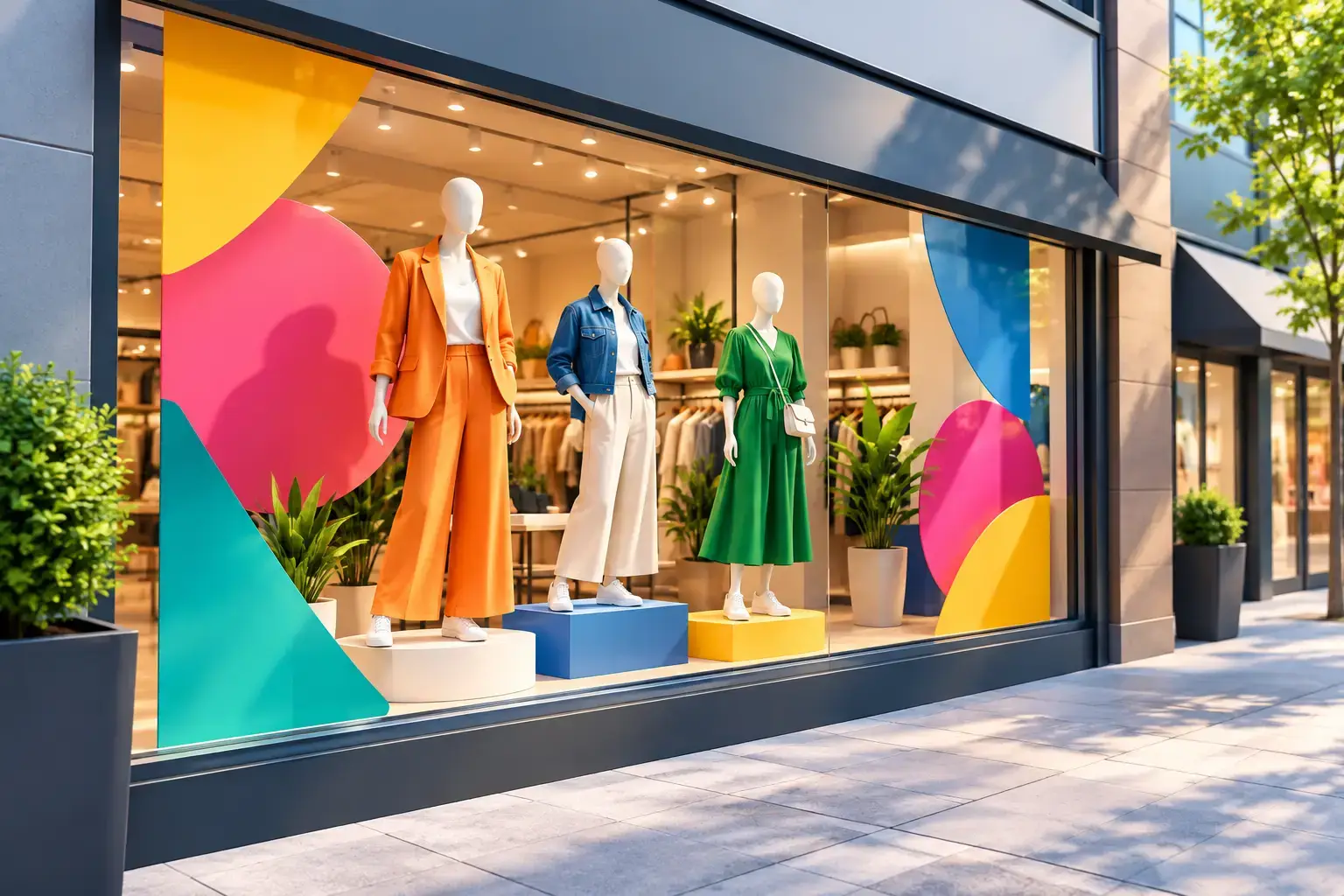
A retail storefront has only a few seconds to give passersby a reason to stop. Empty glass can feel unfinished, while cluttered glass can hide the very products and atmosphere shoppers want to see. Window graphics for retail give businesses a practical middle ground: visible, on-brand messaging that attracts attention without sacrificing the storefront’s appeal.
For a boutique, restaurant, salon, showroom, or multi-location retailer, professionally installed window film can turn glass into valuable merchandising space. The right design can announce a new collection, reinforce brand recognition, create privacy where it is needed, or bring a seasonal campaign to life. The difference is not just the artwork. It is choosing the right material, placement, opacity, and installation method for the way your location actually operates.
What Retail Window Graphics Can Do
Retail window graphics work hardest when they solve a clear business need. A full-color printed film may be used to introduce a promotion or create a bold storefront moment. Frosted or etched-look film can add a refined layer of privacy to treatment rooms, fitting areas, offices, or back-of-house glass. Cut vinyl lettering can display store hours, a logo, or a concise message while preserving open views into the space.
The most effective applications often combine marketing and function. For example, a sun-facing storefront may use graphics on selected panes while incorporating solar control film elsewhere to reduce glare and help protect merchandise from UV exposure. A retailer located near a busy sidewalk may use lower-window graphics to add visual interest and obscure storage areas, while leaving the upper glass open to daylight and sightlines.
That flexibility matters. Not every retail business needs a fully wrapped window, and not every promotion deserves a temporary decal. The best choice depends on your brand, storefront architecture, viewing distance, and how frequently your campaigns change.
Choosing Window Graphics for Retail by Goal
Before selecting colors or artwork, define what the glass needs to accomplish. A promotion-driven storefront needs graphics that can be updated on schedule. A luxury retailer may prioritize a subtle, permanent branded finish. A business with a street-facing consultation area may need privacy without making the interior feel closed off.
Build awareness from the sidewalk
If people regularly walk or drive past your storefront, clarity should guide the design. Your business name, primary category, and a simple callout should be readable at a glance. Large type and high contrast generally perform better than a crowded window full of product photos, fine print, and competing messages.
This does not mean every graphic must be loud. A carefully placed logo, repeating pattern, or brand-colored translucent film can create recognition without turning the glass into a billboard. The goal is to make the storefront recognizable before a customer reaches the door.
Support promotions without looking temporary
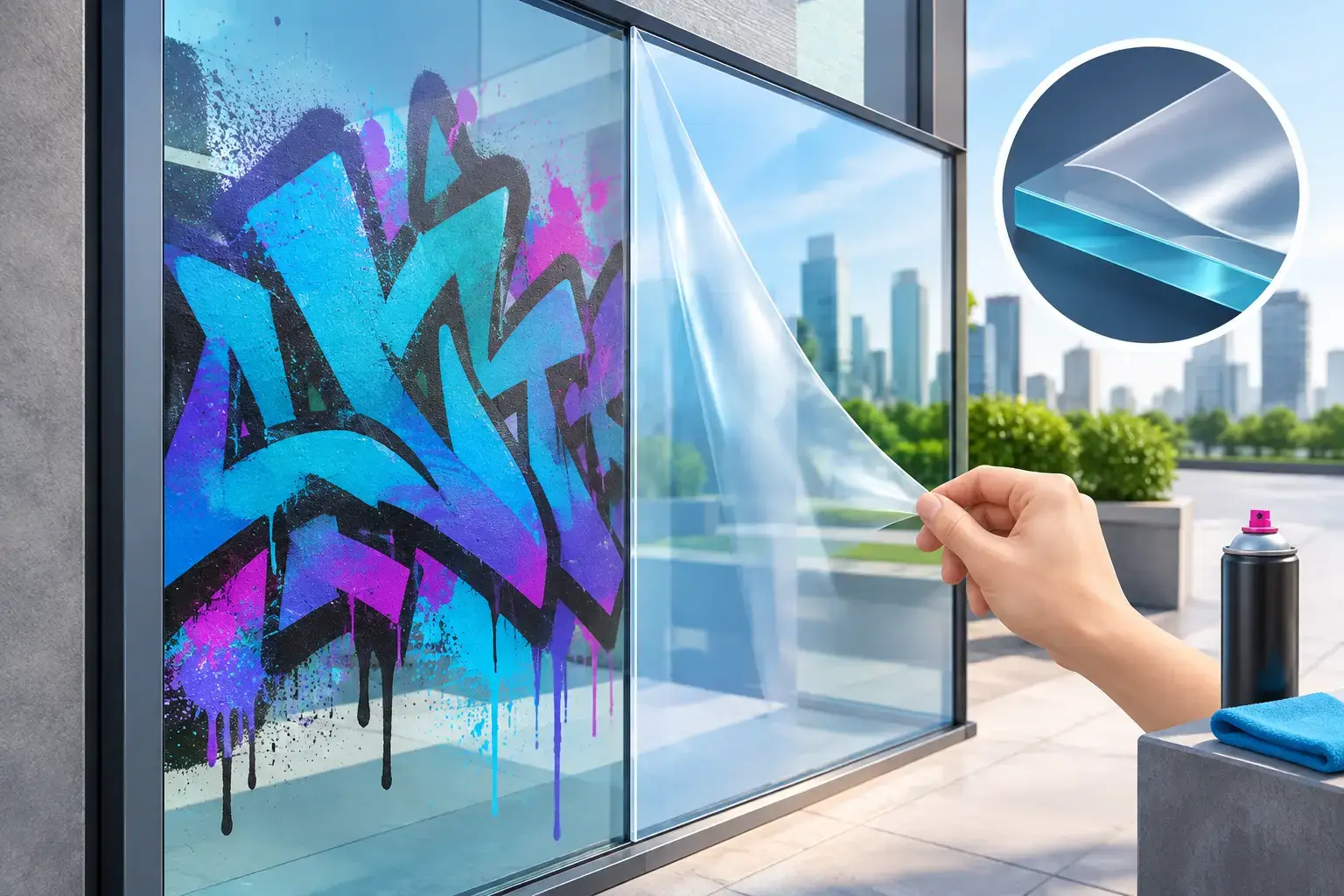
Seasonal sales, product launches, grand openings, and limited-time events are natural uses for printed window graphics. Removable materials are often a smart fit when the message has a defined end date. They allow retailers to refresh the glass without committing to a long-term design.
Still, temporary should not mean improvised. A promotion that is peeling at the corners or installed with trapped air can make a polished business look careless. Professional measurement, print preparation, and installation help keep short-term graphics clean from opening day through removal.
Add privacy in customer-facing spaces
Many retailers need separation between public and private areas but do not want to construct walls or block natural light. Decorative privacy film is particularly useful for fitting rooms, salons, wellness spaces, staff offices, stock areas, and consultation rooms.
Frosted, patterned, gradient, and custom-printed films can obscure direct views while keeping the space bright. Coverage does not need to run from edge to edge, either. A band of film at eye level may provide the privacy you need while maintaining visibility above and below it.
Protect the in-store experience
Storefront graphics can also work alongside performance films that address sun, glare, fading, and safety concerns. In sunny California locations, direct light can make displays difficult to see and create uncomfortable glare for customers and staff. Solar control film can help reduce heat and glare while allowing the storefront to remain open and inviting.
For vulnerable glass in high-traffic areas, security and safety film may be worth discussing as part of a broader window plan. It is not a replacement for proper security measures, but it can help hold broken glass together and add a layer of protection. The right solution depends on the glass type, risk exposure, and building requirements.
Design Decisions That Affect Results
A strong retail graphic is designed for the window, not simply transferred from a flyer or social media post. Glass changes how colors appear, especially when there is bright daylight outside and interior lighting behind the film. Fine details that look sharp on a screen may disappear from several feet away.
Start with the customer’s likely viewing distance. A shopper passing directly in front of the store can read more detail than someone crossing an outdoor plaza or driving by. For most storefronts, one central message is more effective than several competing statements.
Consider what sits behind the glass as well. Merchandise displays, shelving, lighting, and interior wall colors all influence the final appearance. A large opaque graphic can provide visual impact, but it may also conceal displays that would otherwise bring customers inside. Perforated window film can be useful in some cases, offering an exterior graphic while preserving outward visibility, but the effect varies with lighting conditions and should be evaluated for the specific site.
Brand consistency deserves the same attention. Use approved colors, typefaces, logo spacing, and imagery. A retail window is often one of the largest brand surfaces a business has, so it should feel connected to signage, packaging, interiors, and customer communications.
Material and Installation Matter More Than Most People Expect
Not all window films are intended for the same purpose. Materials differ in adhesive type, durability, finish, removability, print compatibility, and suitability for interior or exterior application. A film selected for a short campaign may not be appropriate for a permanent storefront treatment. Likewise, a decorative interior film and an exterior-facing promotional graphic have different performance demands.
Glass condition matters, too. Existing scratches, residue, paint overspray, or damaged seals can affect how a finished project looks. Professional installers inspect the surface, prepare the glass carefully, and recommend an application approach that fits the project rather than forcing a one-size-fits-all product.
Precision installation is especially noticeable on large panes, glass doors, and graphics with aligned patterns. Straight edges, consistent spacing, clean trimming, and proper adhesion are what make the finished work look intentional. They also help prevent premature lifting and make future updates easier to manage.
Plan for Maintenance and Changeovers
Retail windows live in a demanding environment. Customers touch doors, cleaning crews work around edges, sunlight hits the glass for hours, and seasonal campaigns create frequent updates. A practical graphics plan considers maintenance before installation begins.
Use cleaning methods that are appropriate for the selected film, and avoid abrasive pads or harsh tools that can scratch the surface. If your business updates promotions regularly, keep a simple calendar for installation and removal so expired messaging does not linger after an offer ends. For multi-location retailers, consistent specifications and approved artwork files can make future rollouts faster and more uniform.
It is also wise to review graphics when the business changes. New hours, a rebrand, a shift in product mix, or changes to privacy needs are all good reasons to reassess the glass. Window graphics should support the current customer experience, not become background clutter that everyone has learned to ignore.
A Better Way to Approach a Retail Window Project
The most successful projects begin with a walk-through of the storefront rather than a quick material selection. Look at pedestrian traffic, vehicle visibility, sun exposure, interior displays, door swing areas, and the condition of the existing glass. Then decide which surfaces should sell, which should screen views, and which should remain clear.
From there, a specialist can help match the right film solution to your design and operating needs. Custom printed film, decorative privacy film, solar control film, and protective options can be coordinated so the storefront feels cohesive instead of pieced together. Comfort Pro approaches these details with careful measurement, clear communication, and installation standards built for a finished look that holds up.
Your storefront does not need more noise. It needs a message customers can recognize, a space that feels inviting, and glass that works as hard as the rest of your retail environment.