
The short answer: anti-graffiti film is a clear, replaceable layer applied over glass. Spray paint, markers, key scratches and acid etching land in the film instead of the glass, and when it’s damaged the film is peeled off and replaced. It pays off on glass that gets hit repeatedly. It is a maintenance layer, not a security film, and it only protects the surface it covers.
Graffiti on glass is a different problem from graffiti on a wall. Paint can often be cleaned off glass, but scratching and acid etching (sometimes called “scratchiti”) cut into the surface itself. Once glass is etched, the options are polishing, living with it, or replacing the pane. Sacrificial film is designed to break that cycle on storefronts, transit glass, restrooms, elevators and other commercial surfaces that get tagged again and again.
How sacrificial film works
3M describes its anti-graffiti films as a sacrificial, removable layer that protects glass from vandalism, graffiti, etching, scratches and abrasion, for use on either the interior or exterior surface of windows and doors. 3M also notes that the films do not chemically bond to the glass, so they can be removed when replacement is needed.
Madico describes its Graffiti Free 600 the same way: a clear, replaceable layer for the interior or exterior of glass that protects against spray paint, acid etching and scratching, available in 4-mil and 6-mil versions.
In practice, it works like this:
- Film is applied over the glass that gets vandalized.
- Paint and marker are cleaned off the film where possible.
- When the film is scratched or etched, the damaged piece is peeled off and a new piece is applied.
- The glass underneath stays undamaged, as long as the film is replaced before damage cuts through it.
4-mil or 6-mil?
Anti-graffiti films usually come in two weights. A mil is a thousandth of an inch. 3M sells AG4 and AG6, and Madico sells Graffiti Free in 4-mil and 6-mil versions.
- Thinner film can be a reasonable fit where the main threats are markers, paint and light scratching, such as interior glass, restroom mirrors and lower-traffic exteriors.
- Thicker film puts more material in the way to absorb deeper scratches and etching before the damage reaches the glass, which suits exposed street-level storefronts and transit glass.
The right weight depends on how the glass is being damaged now. Photos of past incidents are the best guide.
What it costs to own
The purchase price is only part of the picture. 3M backs its anti-graffiti films with a one-year warranty, which reflects what the product is: a layer meant to be damaged and replaced. When comparing it with doing nothing or replacing glass, think about:
- How often the glass is hit. The more frequent the vandalism, the faster film pays for itself compared with glass replacement or restoration.
- Replacement turnaround. Tagged film left in place still looks tagged. Plan who will report damage and how quickly it gets replaced.
- Panel sizes. Film is usually replaced pane by pane, so very large panes mean more film per incident.
- Access. Upper glass that needs a lift costs more to service.
Where anti-graffiti film makes sense
- Street-level storefront glass and entry doors
- Restaurant and retail frontages in busy pedestrian areas
- Restroom mirrors and glass partitions
- Elevator glass, display cases and lobby glass
- Bus shelters, transit glass and other public-facing surfaces
- Schools and community buildings with exposed ground-floor glass
Madico lists storefront windows, public transportation, restrooms, elevators and vending machines among the common uses for its anti-graffiti series.
Two Comfort Pro projects
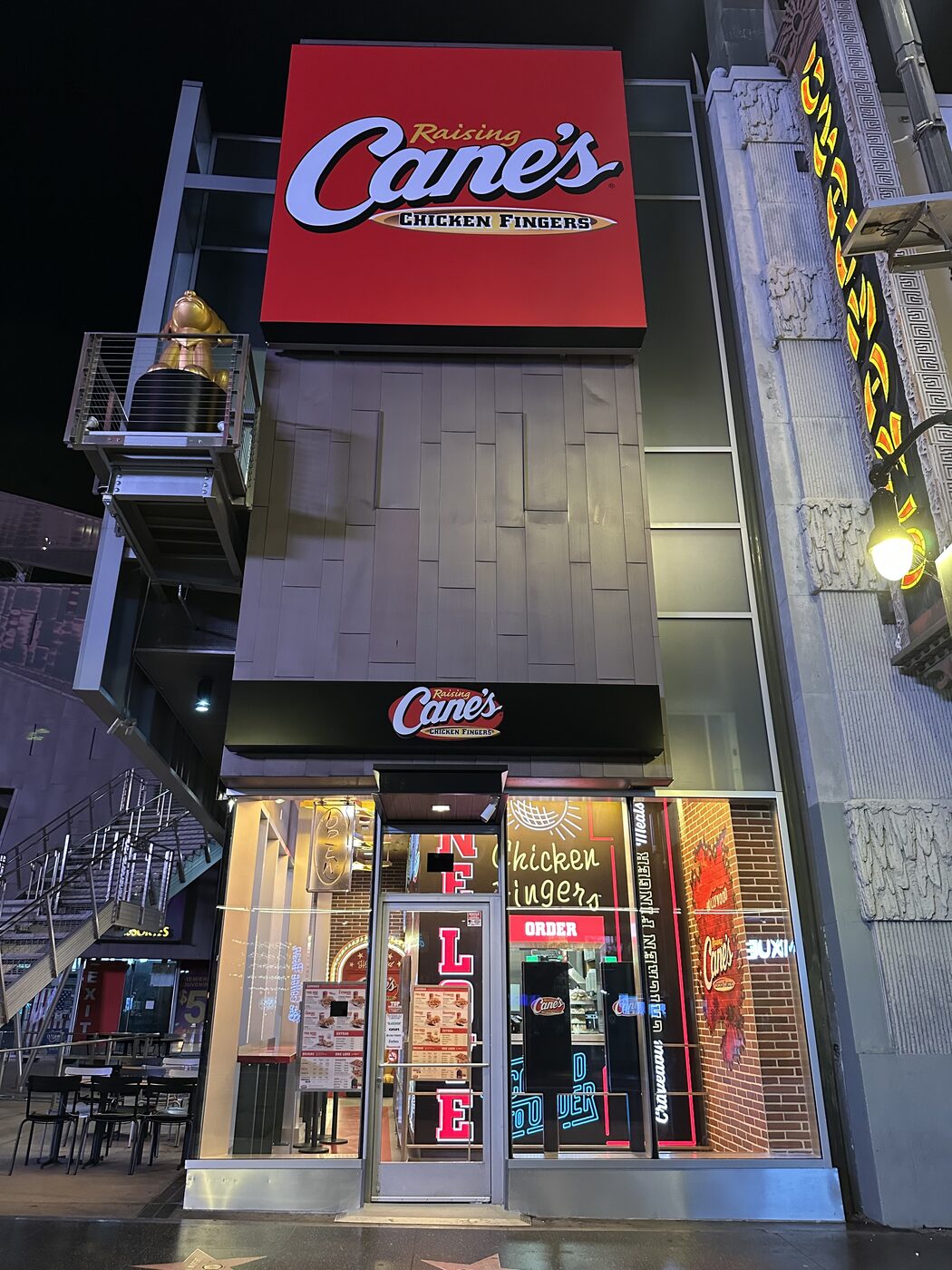
At Raising Cane’s in Hollywood, the glass did two different jobs. The street-level glass, the part people can reach, received Madico Graffiti Free 600. The upper glass received a sandblast-look decorative film, installed by boom lift. Splitting the storefront this way puts the sacrificial film where vandalism actually happens.
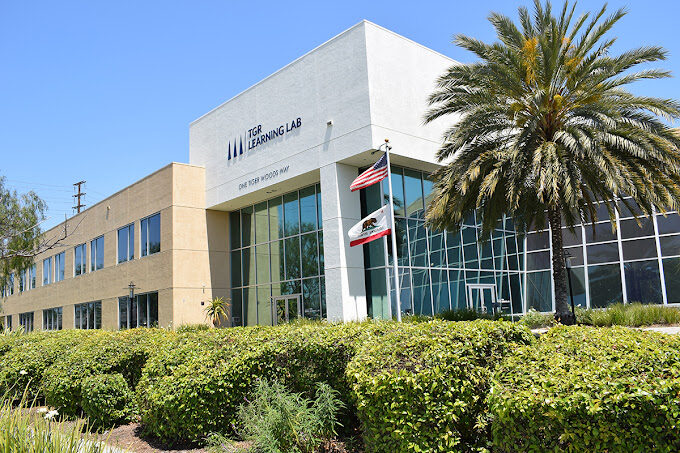
At the Tiger Woods Learning Lab in Anaheim, an education center, Comfort Pro paired solar control with anti-graffiti protection: Johnson Mirror Green 35 and Madico Graffiti Free 600 across about 1,000 square feet, installed in three days.
What anti-graffiti film won’t do
- It isn’t security film. Madico notes that Graffiti Free also helps hold broken glass together, but anti-graffiti film is not a substitute for a security film anchored to the frame. For smash-and-grab risk, see commercial security film and how to prevent glass from shattering.
- It only protects what it covers. Frames, walls, metal panels and the narrow strip of glass at the film’s edge are still exposed.
- It doesn’t repair existing damage. Film is meant to protect glass going forward. Glass that’s already scratched or etched should be assessed for glass restoration before film goes on.
- It isn’t for every surface. 3M’s AG4 product bulletin specifies flat glass. Polycarbonate and acrylic need a different product; Madico, for example, makes a separate film for uncoated plastics.
- It doesn’t last indefinitely. It’s designed to be replaced, so plan for that from the start.
Combining anti-graffiti film with other films
Storefronts often need more than vandalism protection. Common combinations include anti-graffiti film at street level with decorative or solar film above, as at Raising Cane’s, or anti-graffiti protection alongside solar control, as at the Tiger Woods Learning Lab. Whether two films can go on the same pane depends on the films, which side of the glass each goes on, and the manufacturers’ guidance, so that’s confirmed for each project. Our guide to the best films for retail storefronts covers how to split a storefront by problem.
Living with the film day to day
Once installed, anti-graffiti film is cleaned much like glass, but with a little more care. 3M’s AG4 product bulletin describes the film’s surface as anti-staining, which helps when paint and marker need to come off. Even so, follow the manufacturer’s cleaning guidance and tell cleaning crews about the film. Razor blades, scrapers and abrasive pads that are routine on bare glass can cut the film and shorten its life.
It also helps to keep a simple log. Note which panes were replaced and when, and take a quick photo after each incident. Over a few months that record shows which glass gets hit most, whether the film weight is right, and whether other measures, such as lighting or cameras, would reduce how often replacement is needed.
Questions to settle before you install
- How is the glass being damaged now: paint, markers, scratching, or acid etching?
- Is the damage on the outside, the inside, or both?
- Is any glass already etched, and should it be restored first?
- Who will spot and report damage, and how quickly will film be replaced?
- Do the landlord, property manager or city need to approve exterior work?
Protect your glass with Comfort Pro
Anti-graffiti film is a commercial service at Comfort Pro. If your property’s glass keeps getting tagged or scratched, we can look at the damage, recommend a film weight for each surface, and talk through replacement when it’s needed. See commercial anti-graffiti film and commercial projects, or contact us. Photos of the current damage help.