A storefront window has to do more than look good. It must invite customers in, protect merchandise from harsh sun, give employees a comfortable place to work, and stand up to the realities of a busy commercial property. The best films for retail storefronts help solve those overlapping challenges without forcing you to sacrifice the clear, polished glass frontage that makes a store visible.
For most retailers, the right answer is not simply the darkest film or the lowest-priced option. It is the film that fits the property’s sun exposure, the type of merchandise on display, local security concerns, brand image, and lease requirements. Here is how to evaluate the leading options and make a choice that works long after installation day.
Start With the Storefront Problem You Need to Solve
Retail film selection is easier when the goal is specific. A west-facing boutique with afternoon heat has a different need than a street-facing electronics store concerned about forced entry. A salon may want discretion without closing itself off from pedestrian traffic, while a shop with display furniture or apparel may be focused on reducing fading.
Many storefronts benefit from more than one performance feature, but no single film is the best at everything. Higher heat rejection can change the appearance of the glass. A privacy treatment can limit visibility in both directions. Security film improves glass retention, yet it is not a replacement for proper locks, alarms, or impact-rated glazing where that is required. A professional assessment keeps those trade-offs clear before a product is selected.
Solar Control Film for Heat, Glare, and UV Exposure
Solar control window film is often the most practical starting point for retail spaces in sunny markets. It reduces solar heat entering through glass, which can make perimeter areas more comfortable for shoppers and staff. In stores where the thermostat seems to struggle every afternoon, that improvement can be immediately noticeable.
It also helps manage glare. Direct glare on a point-of-sale screen, mirror, display case, or product signage is distracting and can make a space feel less inviting. The right solar film softens that intensity while maintaining a useful amount of natural daylight.
UV filtering is another major advantage. Most quality solar films reject a substantial portion of damaging ultraviolet radiation, helping protect flooring, textiles, packaging, display materials, and furnishings from premature fading. UV is not the only cause of fading – visible light and heat also contribute – but solar film is a meaningful layer of protection for valuable inventory and interiors.
Choose the Appearance Carefully
Solar films range from nearly clear to lightly tinted, reflective, neutral, and darker finishes. A nearly clear ceramic-style film may be the right choice for a premium storefront that wants maximum visibility from the sidewalk. A more reflective option may deliver stronger daytime heat control, but it can change the exterior look and reduce the ability to see inside.
Visible light transmission, often called VLT, matters here. A lower VLT means a darker appearance. Retailers should view large samples on the actual glass, at different times of day, rather than choosing from a small swatch under indoor lighting.
Security Film for Vulnerable Storefront Glass
Security and safety film is designed to help hold broken glass together after impact. For street-level retail, this can reduce dangerous glass fallout from accidental breakage, attempted smash-and-grab incidents, or other impacts. The glass may still crack or break, but properly selected and installed film can make the opening more difficult to breach and help contain shattered pieces.
The installation details matter as much as the film itself. Thicker security films and attachment systems can be specified based on the glass type, frame, and protection goal. An installer should evaluate whether the film will be applied to the interior surface, how the glass is seated in the frame, and whether additional edge-retention attachment is appropriate.
Security film should be presented honestly. It can add time and resistance during an attack, which is valuable, but it does not make standard glass indestructible. It works best as part of a broader storefront security plan that includes reliable locks, lighting, alarms, and operating procedures.
Decorative Privacy Film for a More Polished Customer Experience
Privacy film is especially useful where a retail storefront includes treatment rooms, consultation areas, storage spaces, offices, or service counters near exterior glazing. Frosted, etched, gradient, patterned, and custom-cut decorative films can provide visual separation without the expense and permanence of replacing glass.
A full frosted treatment works well for back-of-house visibility, but it may be too closed-off for a front window. For customer-facing spaces, a band of frosted film, a gradient design, or a carefully placed pattern can preserve daylight and storefront openness while blocking unwanted sightlines.
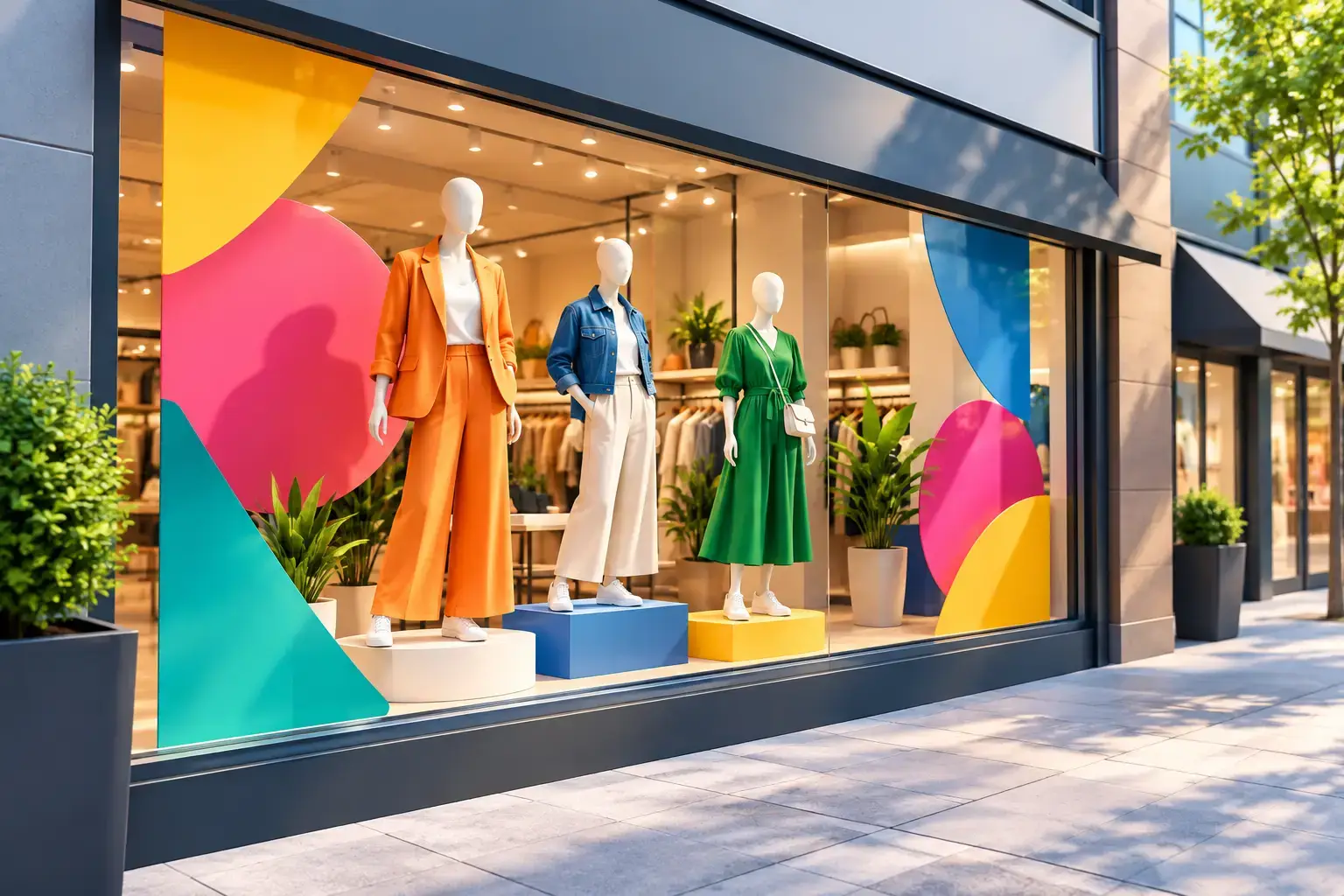
Decorative film can also reinforce branding. Custom graphics, logos, wayfinding details, and seasonal messaging can be integrated into a storefront design when appropriate. The key is restraint. Window graphics should support the customer’s path into the store, not create visual clutter that hides products or makes the business feel inaccessible.
Anti-Graffiti Film for High-Exposure Locations
For retail properties exposed to tagging, scratching, etching, and repeated vandalism, anti-graffiti film is a practical sacrificial layer. It is applied over the glass or other suitable smooth surfaces. If damage occurs, the protective layer can be removed and replaced instead of requiring a costly glass replacement or restoration process.
This option is particularly valuable for storefronts in high-foot-traffic environments, transit-adjacent areas, and shopping corridors where damage may recur. It can also help protect mirrors, partitions, display surfaces, and other vulnerable areas inside a retail space.
Anti-graffiti film does have limits. Deep damage that reaches the glass itself cannot be erased by placing film over it. When existing glass has scratches or etched marks, restoration should be evaluated first. Once the surface is properly prepared, a protective film can help prevent the next round of damage.
The Best Films for Retail Storefronts Often Combine Benefits
A retail storefront does not always need one film across every pane of glass. In fact, a tailored combination often produces the best result. Street-facing display windows may need a clear, high-performing solar film. A side window near a cash wrap may benefit from privacy film. A door or vulnerable lower panel may call for security film, while exterior surfaces in a high-risk area could receive anti-graffiti protection.
This approach allows each part of the storefront to serve its purpose. It also prevents a common mistake: applying a dark or highly reflective film everywhere to solve one heat problem, then realizing the store has lost the clear visual connection that draws in customers.
Check Glass Compatibility, Codes, and Lease Requirements
Before installation, the existing glass must be identified. Single-pane, insulated, tempered, laminated, low-E, and specialty glass can react differently to heat absorption. Applying the wrong film to certain glass systems can increase thermal stress and create a risk of breakage. Product selection should be based on a proper glass evaluation, not assumptions.
Retail tenants should also review lease terms and property management requirements. Exterior appearance standards, signage rules, and approval processes can affect which film is permitted. For a multi-location business, standardizing appearance and performance specifications can simplify future installations while keeping each property compliant.
For security applications, building code and life-safety considerations are especially important. Doors, sidelites, and emergency egress areas may have requirements that influence the right product and attachment method. Experienced commercial installers can help define a solution that respects those conditions.
What Professional Installation Changes
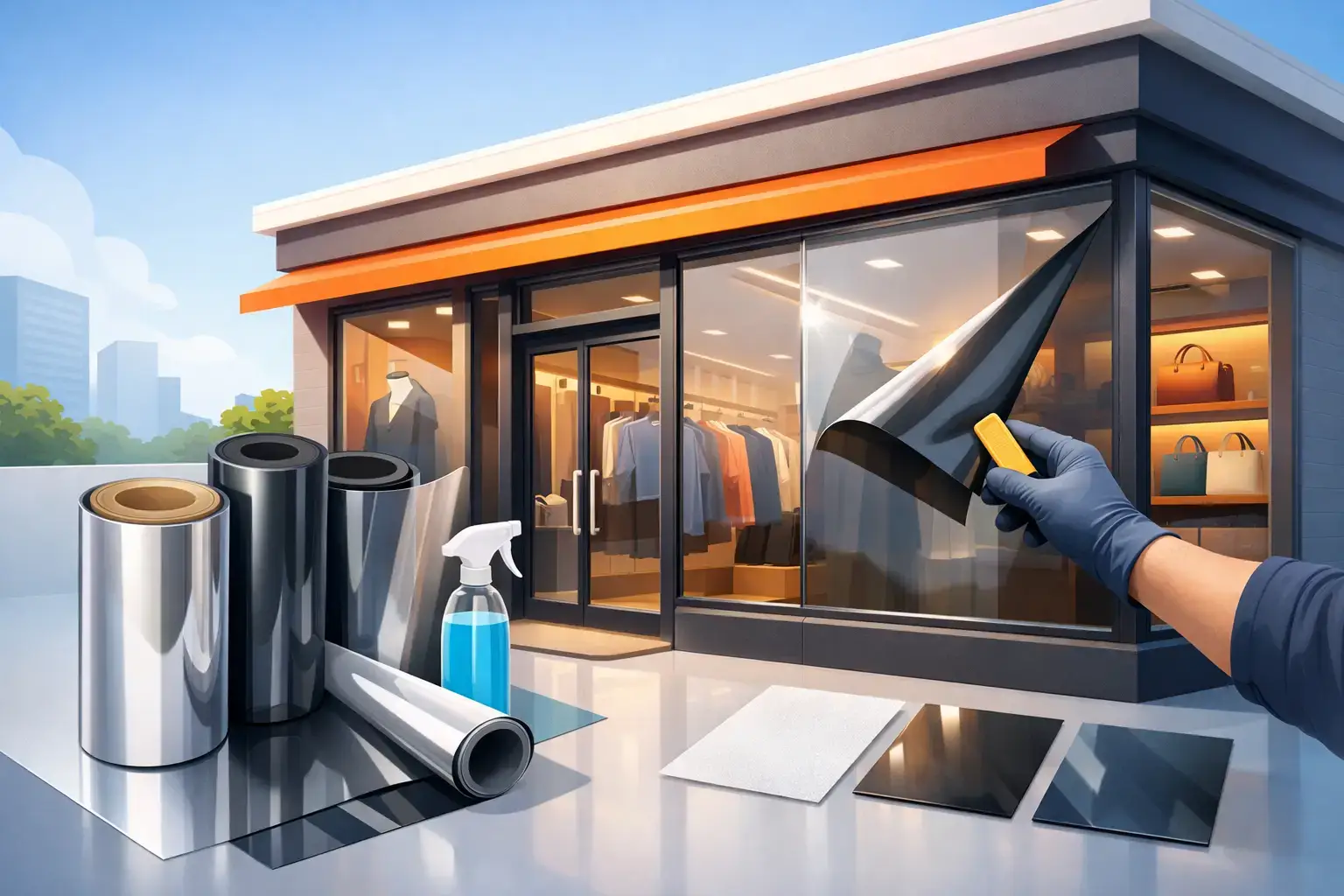
Premium film only performs as intended when the glass is carefully prepared and the application is precise. Dust, edge contamination, poor trimming, and rushed installation can shorten the life of the film and undermine the finished appearance. On a retail storefront, where customers see the glass up close, those details matter.
A careful installation process begins with assessing glass condition and measuring each opening. It includes confirming the desired daytime and nighttime appearance, preparing the surface, applying the correct film, and giving the retailer clear expectations for curing and care. At Comfort Pro, that consultative approach helps business owners select a film solution that supports both the customer experience and the daily operation of the store.
A well-chosen storefront film should feel like a quiet improvement: less glare at the counter, more comfortable window-side displays, better privacy where it is needed, and glass that is better prepared for the demands of retail. Start with the problem customers and employees feel most often, then build the film package around the way your storefront needs to perform.