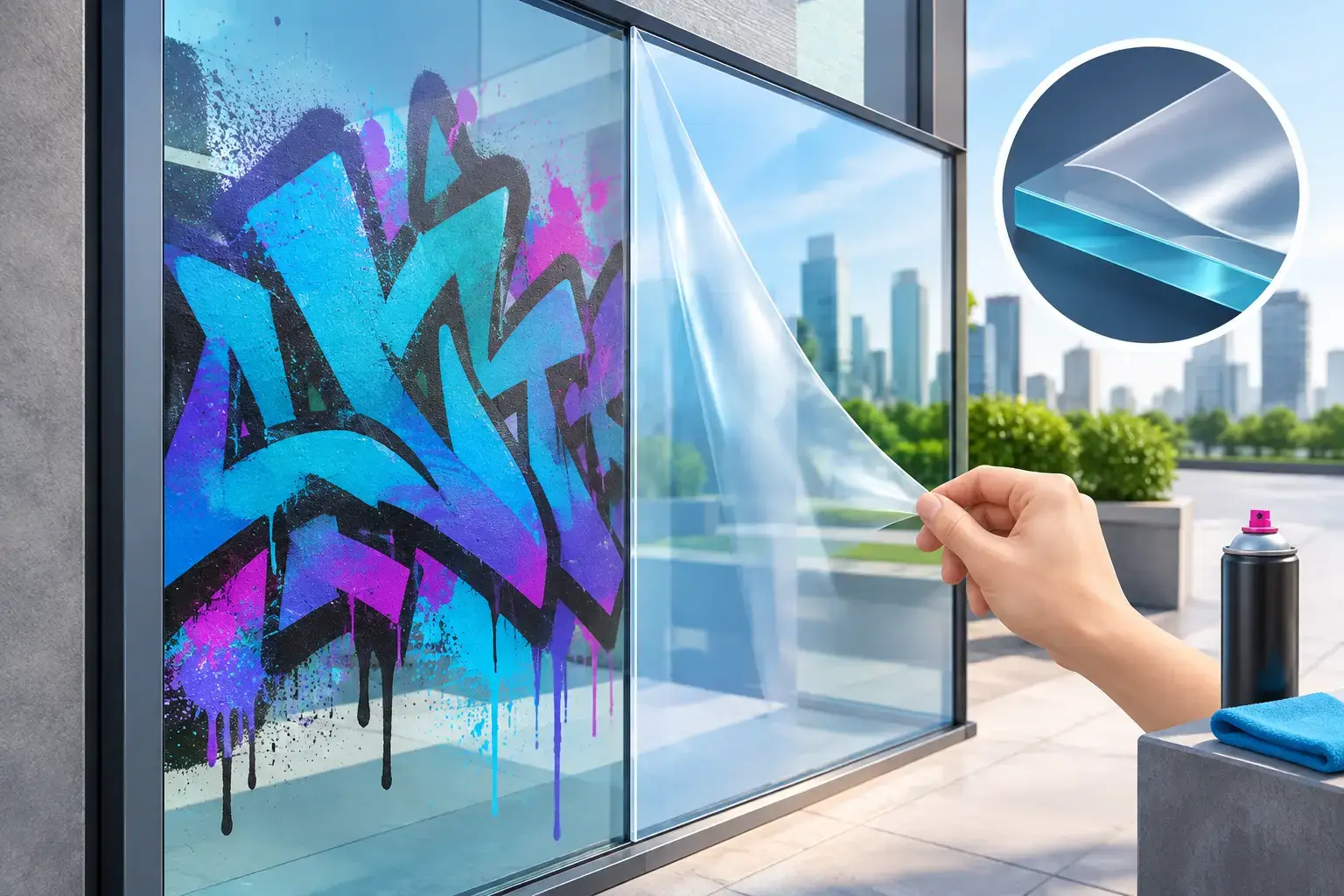
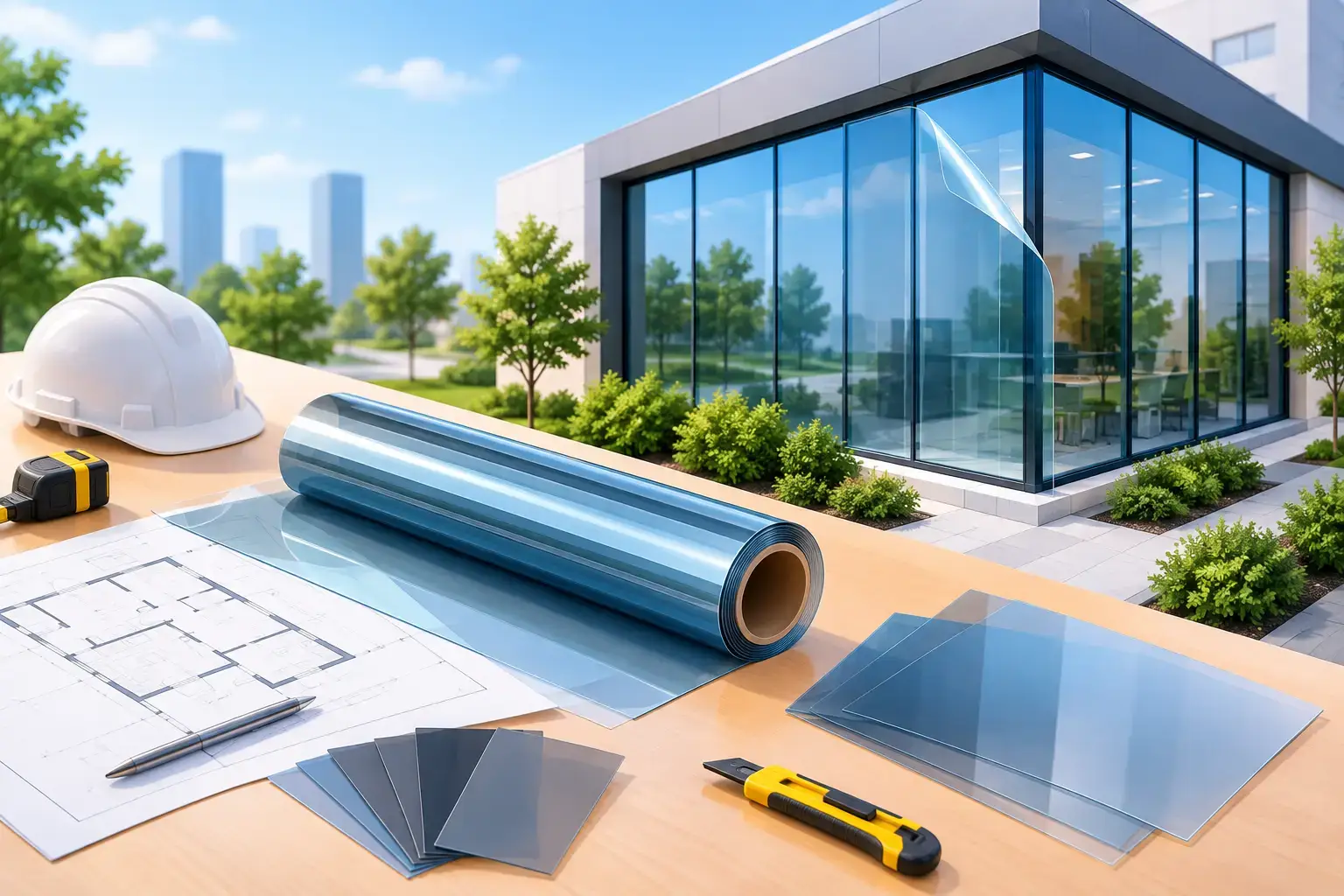
A scratched storefront panel, a graffiti-tagged entry, or a shattered interior sidelight can create an outsized maintenance problem. A thoughtful glass protection film planning guide helps property owners address those risks before they become expensive replacements, tenant complaints, or disruptions to daily operations.
The right plan is not simply a matter of choosing a film and covering every pane. Glass type, traffic patterns, security concerns, cleaning practices, visual requirements, and building conditions all affect the best recommendation. Planning first allows the finished installation to look intentional, perform as expected, and protect the surfaces that matter most.
Start With the Problem You Need to Solve
Protection film works best when it is selected for a clear purpose. A retail operator dealing with repeated tagging at the entrance needs a different solution than a healthcare facility that wants to reduce the risk of broken glass in a busy corridor. A homeowner may be focused on preserving a glass table, shower enclosure, or frequently used patio door from scratches and wear.
Begin by identifying what is happening now and what you want to prevent. Common priorities include scratches from carts, equipment, or daily cleaning; graffiti and etching; damage from impact; glass fragments after breakage; excessive sun exposure; or unwanted visibility through interior and exterior glass. There may be more than one concern, but one should lead the decision.
That distinction matters because protective films are not interchangeable. Anti-graffiti film is designed as a replaceable sacrificial layer for vulnerable surfaces. Safety and security film is selected and anchored according to the level of glass retention and impact resistance required. Solar control film can reduce heat, glare, and UV exposure while improving comfort near windows. Decorative and privacy films solve visual concerns without the expense or permanence of etched glass.
Build a Glass Protection Film Planning Guide by Zone
Rather than evaluating a property as one large project, divide it into zones. This approach makes budgeting more accurate and helps prioritize high-value areas.
For commercial properties, start with public-facing entrances, storefront glass, elevator areas, corridors, reception desks, conference rooms, and loading-adjacent doors. These surfaces often experience the most contact and are the most visible when damaged. In schools and healthcare environments, glass near hallways, waiting rooms, doors, and active common spaces may deserve closer attention because traffic is constant and safety requirements can be more specific.
At home, consider exterior doors, sidelights, shower glass, interior partitions, home offices, and rooms exposed to strong afternoon sun. A window that looks fine during a short walkthrough may become uncomfortable at a particular hour every day. Observe the space when glare, heat, visibility, or surface contact is at its worst.
For every zone, document four details: the reason it needs protection, the approximate dimensions, the type and condition of the existing glass, and the expected level of traffic or abuse. Photos are especially helpful for showing scratches, chips, edge damage, old adhesive, and unusual frame conditions before a recommendation is made.
Prioritize Exposure, Not Just Square Footage
Large glass areas can draw attention, but the smallest panels are sometimes the most vulnerable. A narrow door lite beside a busy entrance may receive more impacts than an entire conference room wall. A low storefront panel can be more likely to be scratched, tagged, or bumped by equipment than glass positioned several feet above ground.
Prioritize zones based on consequence. Ask what happens if that surface is damaged: Does it interrupt business? Create a safety issue? Affect curb appeal? Require custom glass replacement? This helps focus the initial investment on areas where film produces the strongest practical return.
Confirm the Existing Glass Before Selecting Film
Glass is not a blank canvas. Its construction, coating, age, and condition influence which films can be used and how the installation should be handled. Tempered glass, annealed glass, insulated units, laminated glass, and specialty coated glass can respond differently to heat absorption and film application.
This is particularly relevant for solar control film. A darker or more heat-absorbing film may not be appropriate for every pane, especially when glass type, orientation, shading, or existing coatings increase thermal stress. The goal is to improve comfort and energy efficiency without creating avoidable risk. A professional evaluation should account for manufacturer guidance and, where applicable, existing glass or window warranty conditions.
Surface condition is just as important. Film can protect a sound surface from future damage, but it does not make deep scratches, failed seals, cracks, or deteriorating coatings disappear. In some cases, glass restoration or scratch removal may be the sensible first step. In others, replacement is the better long-term decision. A clear assessment prevents film from being used as a temporary cover for a problem that needs a different repair.
Match the Film to Performance and Appearance
The most effective film is one that meets the functional need without compromising the look of the property. This is where samples, viewing angles, and realistic expectations matter.
For anti-graffiti applications, clarity and replaceability are usually the priority. The film should protect the surface while preserving the appearance of storefronts, mirrors, stainless accents, and other high-touch finishes. Plan for eventual replacement if the film receives damage. That replacement is the point: the film takes the abuse so the underlying surface does not.
For safety and security applications, the planning conversation should include the type of threat being addressed. Some projects are intended to help retain glass fragments after accidental breakage. Others require a more comprehensive approach involving film thickness, attachment systems, frame conditions, and performance objectives. Film can be a valuable layer of protection, but it should not be presented as a universal substitute for every security measure.
For privacy and decorative applications, consider both sides of the glass and all times of day. A pattern that offers privacy in daylight may behave differently at night when interior lights are on. Frosted, gradient, patterned, and custom printed films can define spaces and reduce visibility, but placement and coverage height determine how private the finished result actually feels.
Plan Installation Around Operations
A clean installation depends on access, preparation, and coordination. This is especially true in occupied offices, retail spaces, clinics, and multi-unit properties where work must happen around customers, staff, patients, or residents.
Before scheduling, identify who will provide access, which areas need to remain open, and whether furniture, displays, blinds, signage, or equipment need to be moved. Let the installer know about alarms, check-in procedures, parking limitations, elevator reservations, or building rules. These details may seem minor, but they protect the project schedule and help the crew work efficiently.
Film application also requires clean glass and controlled working conditions. New construction sites, active remodels, and recently painted spaces may need additional timing considerations due to dust, curing materials, or ongoing trade work. Installing film too early can expose it to debris or accidental damage before the space is ready.
Consider Phasing for Larger Properties
For multi-location businesses, campuses, or large facilities, a phased plan can reduce disruption and make capital spending more manageable. Start with priority zones, then establish a repeatable specification for similar areas across the property. Consistency simplifies future repairs, additions, and maintenance because the same film type, finish, and installation standard can be applied over time.
Budget for the Full Life of the Solution
Price matters, but the lowest upfront cost is not always the lowest long-term cost. A film plan should account for material quality, glass preparation, installation access, complexity, and future maintenance. Specialty films and detailed layouts may cost more initially, yet they can prevent repeated surface repair, reduce replacement expenses, and preserve a more polished appearance.
Ask how the film should be cleaned, what products to avoid, and what signs indicate it may need service. Abrasive pads, harsh tools, and improper cleaning methods can shorten the useful life of a protective layer. Facilities with contracted cleaning teams should communicate film care requirements as part of the turnover process.
It is also wise to retain project records. Keep the film specification, installation date, covered locations, and any care instructions. When a panel is damaged years later, this information speeds up matching and replacement.
Make the Final Decision With Real Conditions in Mind
A strong film plan balances performance with the realities of the space. That means viewing samples under actual lighting, measuring the right surfaces, checking glass compatibility, and discussing how the area is used every day. It also means being honest about trade-offs: greater privacy can reduce visibility, darker solar film can alter exterior appearance, and a protection layer may require eventual replacement after doing its job.
For property owners in California, sun exposure, coastal conditions, busy public entrances, and high design expectations often make those details especially worthwhile. A careful site evaluation gives you a clear path forward, whether the priority is comfort, privacy, security, surface durability, or a better-looking space.
The best next step is simple: walk the property with the problems in mind, not just the windows. The surfaces that create the most disruption today are usually the ones that deserve protection first.