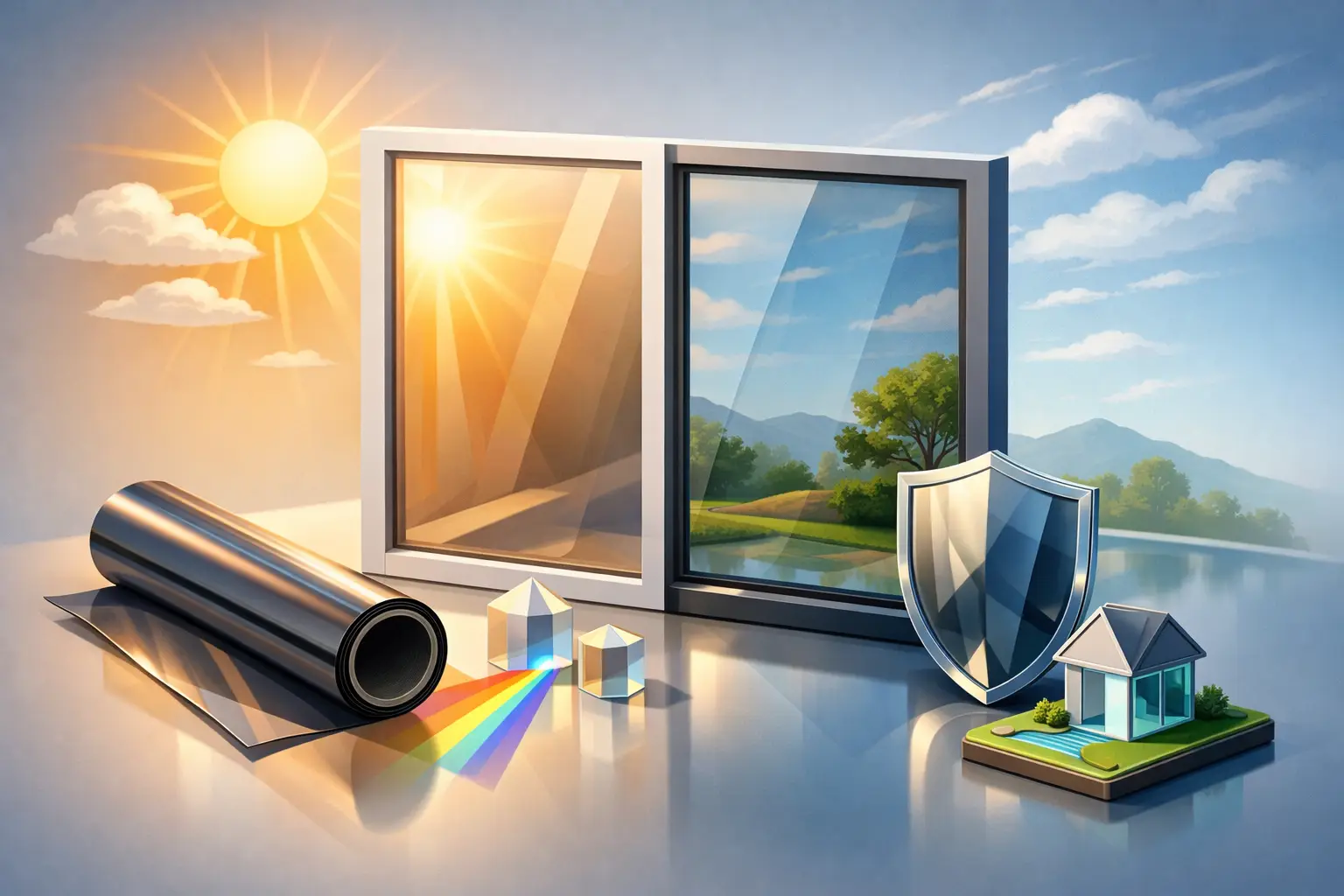
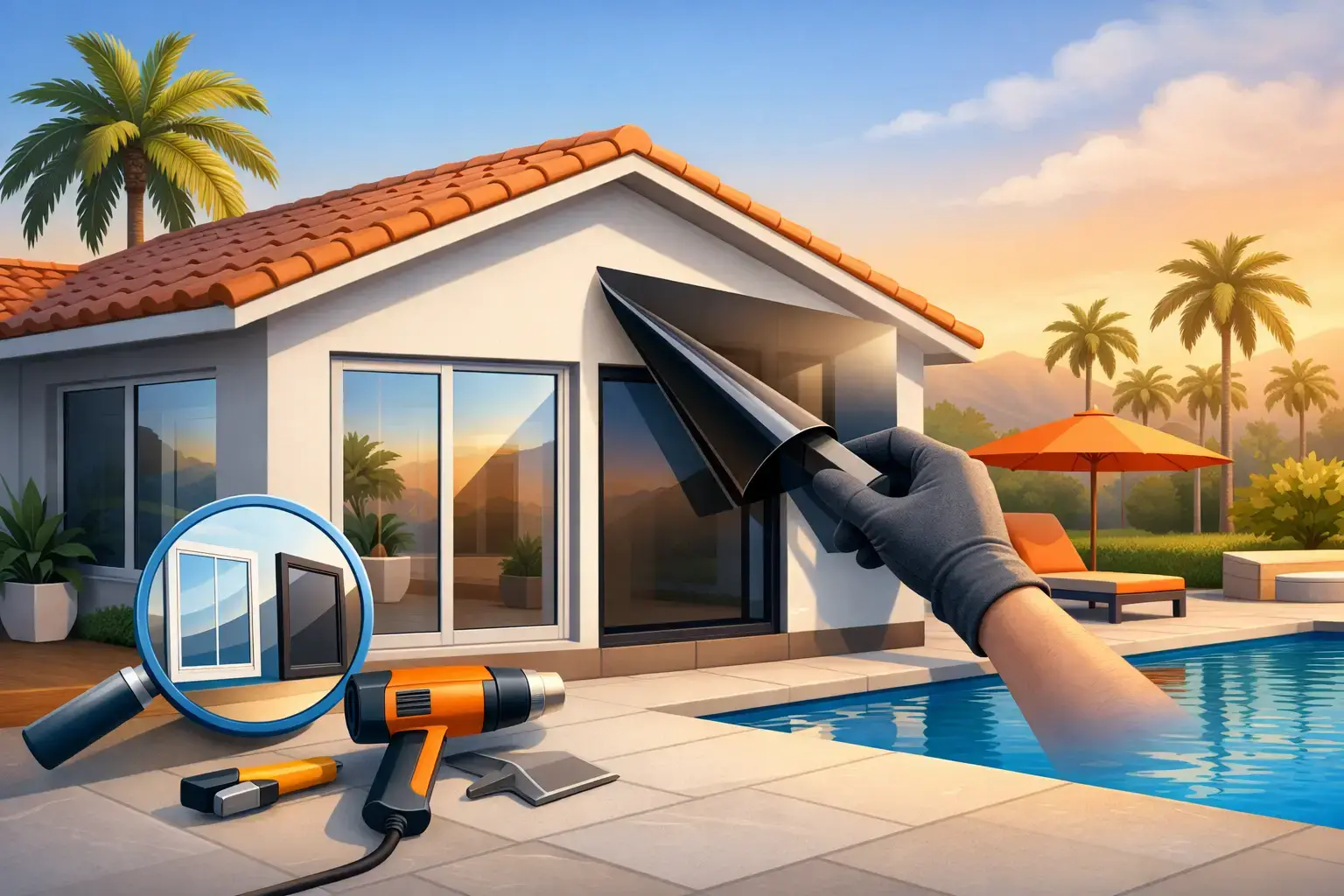
That west-facing living room feels fine at 9 a.m. By midafternoon, it is bright, hot, and hard to use. If that sounds familiar, home window tinting Orange County homeowners invest in is usually less about looks and more about reclaiming comfort in the rooms they already have.
In coastal and inland parts of Orange County, sunlight is part of the appeal. It is also the reason many homes deal with persistent glare, uneven temperatures, faded flooring, and a constant battle over blinds. Window film addresses those issues without replacing good glass or darkening the house into a cave. The key is choosing the right film and having it installed with precision.
Why home window tinting in Orange County makes sense
Orange County homes tend to have a lot working against interior comfort. Large windows bring in natural light, but they also let in solar heat and harsh glare. Open floor plans make hot spots more noticeable. Rooms with big picture windows, sliding glass doors, and upper-story exposure can feel especially uncomfortable during long sunny stretches.
Professionally installed window film helps manage those conditions by reducing heat gain, cutting glare, and blocking a significant amount of UV exposure. That matters if you have wood floors, artwork, furniture, or rugs that are slowly fading near the glass. It also matters if your AC seems to run harder in the afternoon, even when the thermostat stays the same.
There is also the privacy factor. Many homeowners want more daytime privacy in street-facing rooms, bathrooms, entryways, or homes built close to neighboring properties. The right film can add privacy while still preserving natural light, which is often a better outcome than keeping blinds closed all day.
What window film actually changes inside a home
The most noticeable difference is usually comfort. Rooms that once felt too bright or too warm become easier to use throughout the day. Television glare drops. Home offices become more workable. Bedrooms and sitting areas feel less exposed.
Energy performance can improve too, though expectations should stay realistic. Window film is not a substitute for insulation, air sealing, or HVAC upgrades. What it does well is reduce solar heat coming through the glass, which can help certain rooms stay more stable and reduce strain on cooling systems. In homes with large sun-exposed windows, that can be a meaningful upgrade.
UV protection is another practical benefit. Premium films can block up to 99 percent of harmful UV rays, which helps protect interiors from premature fading. That does not stop every cause of fading, since visible light and heat also contribute, but it is still one of the strongest protective advantages of residential window film.
Choosing the right home window tinting Orange County solution
Not all films perform the same way, and this is where many homeowners get tripped up. A film that works well on one house may be a poor fit for another. The right choice depends on your glass type, your sun exposure, the look you want, and whether your biggest concern is heat, glare, privacy, or safety.
Solar control film
This is the most common option for homeowners dealing with excessive heat and glare. Solar control films are designed to reject solar energy while keeping the home brighter and more open than heavy window coverings. Some are more reflective from the outside, while others are more neutral in appearance and better suited for homeowners who want a cleaner, less noticeable finish.
If aesthetics matter as much as performance, neutral and low-reflectivity films are often the better fit. If heat rejection is the top priority, especially on west- or south-facing glass, a more performance-driven film may make sense.
Decorative and privacy film
For bathrooms, front doors, sidelights, office spaces, or any room where visibility is the issue, decorative and privacy films can be a smart choice. Frosted and patterned films let light pass through while obscuring direct views. They are especially useful when homeowners want privacy without replacing glass or committing to curtains.
This is also one of the more design-sensitive categories. A clean privacy film can elevate the look of a space, but the wrong style can feel dated fast. It helps to choose something simple and architectural.
Safety and security film
Some homeowners are less concerned about heat and more focused on glass vulnerability. Safety and security film helps hold broken glass together after impact, which can reduce hazards from accidental breakage, storm damage, or forced entry attempts. It does not make glass unbreakable, and it should never be sold that way. What it can do is improve glass retention and make the opening process more difficult and more time-consuming.
That added layer of protection is often valuable on ground-floor windows, glass doors, and other more exposed areas.
What to consider before installing window film
Glass compatibility matters. Some windows, especially certain dual-pane, tempered, or specialty glass units, require careful film selection to avoid stress-related issues. This is one reason professional consultation matters. A good installer looks at the existing glass, the frame, the exposure, and the goals of the project before recommending a product.
Appearance matters too. Some homeowners want the outside of the house to look unchanged. Others are comfortable with a slightly more reflective exterior if it means stronger solar control. There is no universal right answer. It depends on the home, the neighborhood, and what you care about most.
Then there is the question of visible light. Darker is not always better. Some high-performance films reject substantial heat while remaining relatively light in appearance. If you are trying to preserve bright interiors, that can be a better solution than going with a darker tint that changes the feel of the room.
Why installation quality matters as much as the film
Residential window film is one of those upgrades that looks simple until it is done poorly. Dust contamination, edge lift, mismatched cuts, and inconsistent alignment can ruin the finish and shorten the life of the product. Precision installation is what makes the result look clean and perform the way it should.
A professional installer also helps prevent bad product matches. That includes selecting the right film for the glass type, accounting for sun intensity by elevation and orientation, and setting clear expectations about appearance from inside and outside the home.
Homeowners usually notice this most in larger windows and doors, where small mistakes are hard to hide. A careful installation should feel nearly invisible once complete. You should notice the comfort and light quality first, not the film itself.
Common questions homeowners have
One of the biggest concerns is whether film will make a home feel too dark. In many cases, the answer is no. Modern residential films come in a range of visible light transmission levels, and many are designed to preserve natural light while reducing the harshness of direct sun.
Another common question is whether window film goes on the inside or outside. For most residential applications, it is installed on the interior surface of the glass. There are exterior-rated films for certain situations, but they are typically used when interior access or glass configuration makes that the better option.
Homeowners also ask how long it lasts. That depends on the product, the window conditions, and installation quality. Premium film installed correctly can provide long-term performance, especially when paired with proper care and realistic expectations.
When window tinting is worth it and when it may not be
If one or two rooms are consistently too hot, too bright, or too exposed, window film is often a very worthwhile upgrade. It is also a strong option when you want to improve performance without replacing existing windows that are otherwise in good condition.
If your main issue is poor insulation, air leakage, or very old failing windows, film may help but probably will not solve the whole problem. This is where an honest recommendation matters. The best result comes from treating window film as part of a broader comfort and protection strategy, not as a cure-all.
For many Orange County homeowners, though, the appeal is straightforward. You keep your views, reduce the daily annoyances that come with intense sun, and make your home feel more comfortable without major construction. That is a practical upgrade, especially when it is tailored to the way your home actually gets used.
A good window film project should make your house easier to live in, not just different to look at. If your rooms are fighting the sun every afternoon, the right film can shift that balance back in your favor.