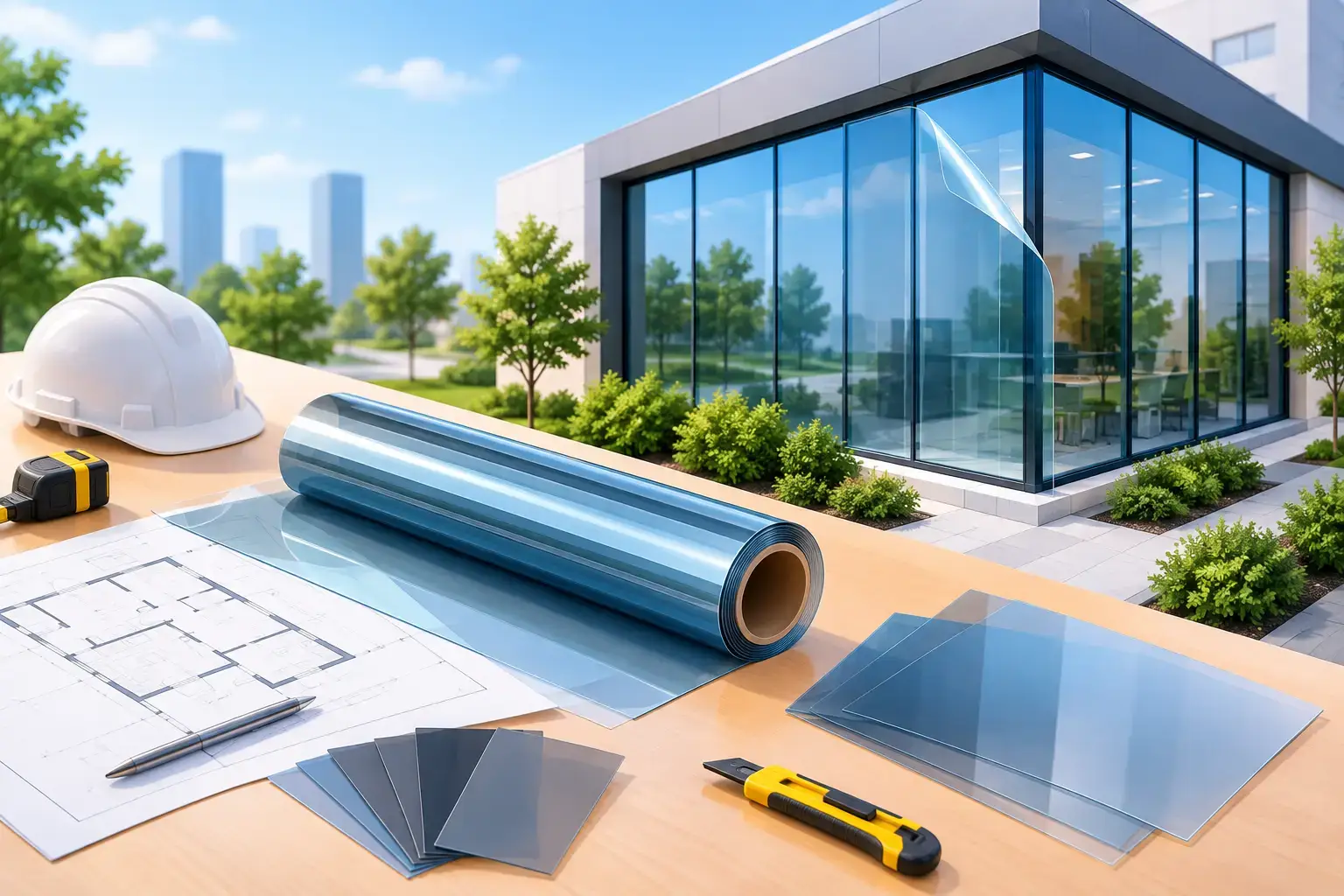

A storefront window has two jobs at once: it needs to invite people in while standing up to the daily wear of a public-facing property. To protect display windows effectively, the solution has to preserve visibility and appearance while addressing the specific risks your glass faces – whether that is fading merchandise, harsh afternoon glare, vandalism, impact, or constant cleaning.
For retail operators, property managers, and business owners, damaged glass is more than a maintenance issue. Scratches, hazy film residue, graffiti, and broken panes can make a well-run space look neglected. The right protective film can help extend the life of the glass, improve the customer experience, and reduce the disruption of avoidable repairs.
Start With the Risks Your Display Windows Face
Not every display window needs the same type of protection. A street-level boutique may be most concerned about graffiti and accidental impact. A sun-facing showroom may be losing the color and condition of its merchandise to ultraviolet exposure. An office lobby might need more privacy without closing off natural light.
The most effective recommendation begins with a close look at the glass, its exposure, and how people use the space. Consider where sunlight hits throughout the day, whether pedestrians can reach the glass, the value of items displayed near the window, and whether existing damage is already present. A film that performs beautifully for heat and glare control may not be the right choice for a location that needs impact retention or a replaceable vandalism barrier.
UV Exposure and Fading
Sunlight can fade displayed products, flooring, fabrics, artwork, signage, and finishes over time. This is particularly noticeable in storefronts with large, unobstructed glass and strong California sun exposure. Solar control window film can reject a significant portion of ultraviolet rays while also reducing solar heat and harsh glare.
UV protection is not a guarantee that fading will stop completely. Visible light and heat also contribute to fading, and no window treatment removes every source of damage. Still, reducing UV transmission and solar heat can meaningfully slow the process and help displays retain their intended color longer.
Scratches, Etching, and Graffiti
Exterior glass in high-traffic areas can be damaged by keys, abrasive cleaning, adhesives, paint, and acid etching. Once glass is deeply scratched or etched, replacement is often the only true remedy. Anti-graffiti film changes that equation by creating a clear, sacrificial surface over the glass.
When the film is marked or vandalized, it can be removed and replaced without replacing the underlying pane. This approach is especially practical for ground-floor retail, transit-adjacent properties, schools, public-facing offices, and buildings with repeated vandalism concerns. It protects the glass asset while making future cleanup faster and more predictable.
Impact and Breakage Concerns
Standard glass can break from accidental impact, attempted forced entry, or nearby activity. Safety and security window film is designed to help hold broken glass together when a pane fails. This can reduce the spread of dangerous shards and make a damaged opening more difficult to breach quickly.
It is important to set the right expectation. Security film does not make glass indestructible, and it is not a substitute for a complete security plan. Its performance depends on film thickness, glass type, frame condition, and whether an attachment system is used to help anchor the film to the frame. A professional assessment ensures the product matches the level of risk rather than creating false confidence.
Film Options That Protect Display Windows Without Hiding Them
A common concern is that protective film will make a storefront look dark, reflective, or closed off. That can happen with the wrong product selection, but many modern films are designed to maintain a clean, open appearance. The best choice depends on your priority: heat reduction, security, privacy, surface preservation, or a combination of benefits.
Solar control film is often the right starting point for businesses dealing with hot spots, glare on displays, and sun-related fading. Depending on the selected shade and technology, it can reduce heat while keeping the glass visually light. Spectrally selective films are useful when preserving daylight and a neutral appearance matters most.
Safety and security film is a stronger, thicker option intended for glass retention. It is commonly used on entry doors, sidelights, street-facing windows, and other vulnerable areas. Because the installation details matter, it should be specified based on the glass and framing system rather than chosen by thickness alone.
Anti-graffiti film is clear and replaceable, making it a practical layer for glass exposed to touching, tagging, scratching, or frequent cleaning. In some projects, it can also be applied to smooth non-glass surfaces that are vulnerable to cosmetic damage. This gives facility teams a straightforward replacement path instead of a more expensive restoration project.
Decorative privacy film can protect a different kind of asset: privacy. Frosted, gradient, patterned, or custom printed films can obscure selected sightlines while preserving light and supporting the look of the space. For a showroom or street-facing office, partial coverage may create privacy at seated height while keeping merchandise or architectural features visible above.
Do Not Cover Existing Problems Without Evaluating Them
Window film is a protective upgrade, not a cure for every glass condition. Chips, cracks, failed seals, and deep scratches should be evaluated before any film is installed. Applying film over compromised glass can hide a problem temporarily without resolving the underlying issue.
Light surface scratches or mineral staining may be candidates for professional glass restoration. Restoring the pane first can improve clarity and allow protective film to perform on a cleaner, more attractive surface. Deep gouges, severe etching, or structural damage may require glass replacement before protection is added.
This assessment matters for appearance as well as performance. Display windows are meant to showcase what is behind them. Any haze, distortion, or visible defect can work against the presentation you have invested in.
Installation Quality Is Part of the Protection
Even a premium film can disappoint if it is poorly installed. Dust contamination, uneven edges, trapped debris, and rushed preparation are highly visible on large storefront panes. More importantly, improper installation can affect the expected service life and, for security applications, the way the system responds under stress.
A careful installation process starts with checking glass compatibility, measuring each pane, selecting an appropriate film, and thoroughly preparing the surface. The installer should account for window seals, frames, access, existing signage, and how the property needs to operate during the work. For active retail spaces, scheduling can often be planned to minimize disruption to customers and staff.
For security film, professional specification is particularly valuable. The right system may involve more than applying a thicker film to the glass. Frame attachment, edge conditions, and the type of glass all influence results. A detailed recommendation helps property owners invest in protection that fits their actual needs.
Keep Protected Glass Looking Its Best
Once film is installed, routine care is simple but should be deliberate. Use a soft microfiber cloth or clean rubber squeegee with a mild, film-safe cleaning solution. Avoid abrasive pads, harsh powders, blades, and aggressive solvents unless the film manufacturer specifically approves them.
Newly installed film needs time to cure. During that period, small water pockets or a slightly hazy appearance can be normal, particularly with thicker films or cooler weather. A professional installer can explain the expected curing timeline and identify anything that needs attention.
Property teams should also inspect street-level windows regularly. Catching a damaged anti-graffiti layer early can prevent adhesives, paint, or abrasion from reaching the glass. For larger commercial portfolios, documenting window conditions and replacement dates helps make maintenance more consistent across locations.
A Clearer Way to Plan Window Protection
The best way to protect display windows is to treat them as both a design feature and a working building surface. Start with the threat that creates the greatest cost or disruption, then choose a film system that addresses it without compromising visibility, daylight, or the look of the property.
Comfort Pro helps homeowners and commercial property teams evaluate those trade-offs with clear recommendations and precision installation. A well-protected display window should still do what it was meant to do: present your space at its best, day after day.