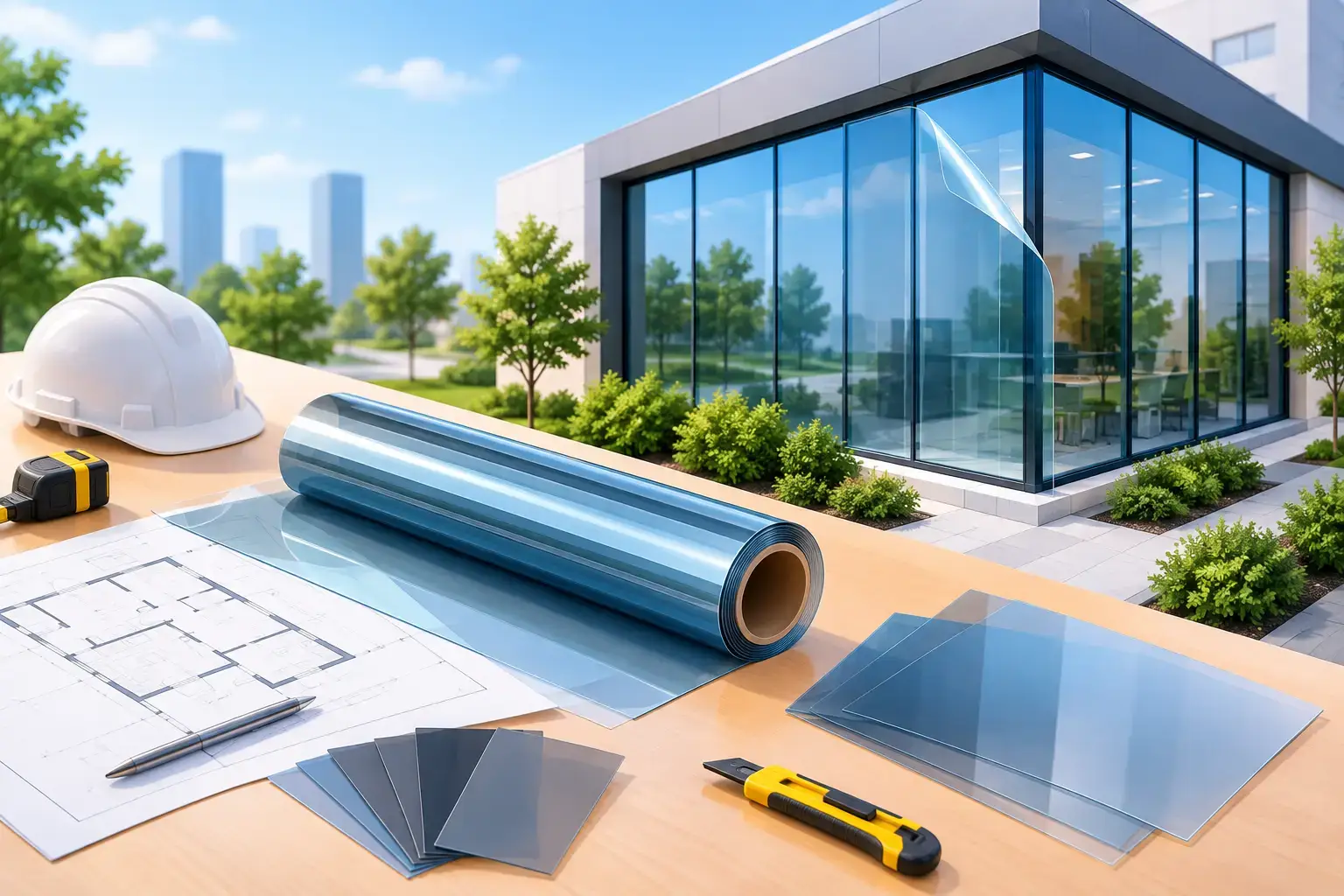

A south-facing office that heats up by noon and a living room with faded flooring can have the same root problem – too much sun through untreated glass. That is usually when window film installation price becomes a practical question, not a casual one. Most buyers are not just asking what film costs per square foot. They want to know what drives the price, what changes it, and whether the result is worth paying for.
What affects window film installation price?
The short answer is that price depends on the film itself, the glass it goes on, and the conditions of the installation. Two projects with the same square footage can price very differently if one uses a basic privacy film on standard panes and the other uses a high-performance solar or security film on large, hard-to-reach windows.
Film type is one of the biggest factors. Solar control films, decorative privacy films, security and safety films, anti-graffiti films, and specialty surface protection products all perform differently and are priced accordingly. A film designed mainly for appearance or daytime privacy will usually land in a different range than a product engineered for impact resistance, heat rejection, or multi-surface durability.
Window size and layout matter just as much. Large uninterrupted panes can be efficient to install, while many small divided windows take more time and precision. If glass sits high above stairwells, wraps around corners, or requires special access equipment, labor increases. The same goes for commercial spaces that need installation outside business hours to avoid disrupting operations.
Existing glass condition is another part of the equation. If windows have old film, adhesive residue, scratches, or mineral buildup, prep work can add to the total. Proper preparation is not optional. It affects how cleanly the film lays down, how long it lasts, and how the finished glass looks.
Typical price ranges for residential and commercial projects
If you are comparing quotes, broad ranges can help, but they should be treated as starting points rather than promises. For many residential projects, professionally installed window film is often priced per square foot, with the final number reflecting product selection and job conditions. Decorative and basic privacy films often start lower than premium heat-rejecting or security-focused products. Commercial pricing can be similar on a per-square-foot basis, but larger volumes, access requirements, and scheduling complexity can move the project either way.
Homeowners are often surprised that the cheapest film option is not always the best fit for the rooms causing the most discomfort. A west-facing family room with serious afternoon glare may need a better-performing film than a guest bathroom that only needs privacy. In commercial settings, conference rooms, storefronts, schools, and healthcare spaces often call for different solutions within the same building.
That is why good estimates are usually tied to use case, not just measurements. A quality quote should reflect what you are trying to solve: heat, glare, fading, privacy, security, aesthetics, or a mix of those goals.
Why film type changes the cost so much
When people search window film installation price, they often assume labor is the main variable. Labor matters, but the film technology often has the stronger impact.
Solar control film
Solar control film is commonly chosen for heat reduction, glare control, UV rejection, and energy efficiency. Pricing varies by performance level. Entry-level films may address glare and some heat, while premium options are designed to reject significantly more solar energy and maintain a cleaner appearance. For homes and businesses with strong sun exposure, paying more upfront for better-performing film often makes financial sense over time.
Decorative and privacy film
Decorative films can be relatively straightforward, but custom patterns, branded designs, and specialty finishes can raise cost. Frosted conference room glass, privacy bands, and custom printed graphics involve more design coordination than a basic roll application. The look is part of the value here, so precision matters.
Security and safety film
Security film usually costs more because the material is thicker and the installation standards are more demanding. In some cases, attachment systems or edge anchoring may also be recommended. If the goal is improved glass retention and added protection against breakage, the installation process is more specialized than a standard aesthetic film application.
Labor is not just labor
Professional installation is a major part of the value, especially on glass that is highly visible every day. Clean edges, proper shrink and fit, and careful surface prep are what separate a long-lasting result from a film job that starts peeling, bubbling, or showing contamination too soon.
This is why lower bids should be read carefully. A cheaper quote may reflect a lower-grade film, rushed prep, limited warranty support, or less experienced installers. It may also leave out details such as removal of old film, after-hours work, ladder access, or edge sealing where needed.
For property managers and business owners, scheduling can also affect labor. If installers need to work in phases, coordinate with tenants, or complete sensitive areas after hours, the project may cost more than a straightforward daytime install. That does not make it overpriced. It reflects the work required to complete the job properly and with minimal disruption.
What a professional quote should include
A useful quote should make it easy to compare options without guessing what is missing. At minimum, it should identify the film being proposed, the approximate square footage or glass count, the scope of prep, and whether removal of existing film is included. It should also note any special access needs and explain warranty coverage.
For larger commercial properties, a detailed proposal may also separate areas by use. That can be especially helpful when some rooms need privacy film, others need solar control, and vulnerable entry glass may benefit from a safety film. Bundling everything into one vague line item makes it harder to evaluate value.
The best quoting process also includes consultation. If a provider asks about sun exposure, occupancy, interior fading, privacy needs, and glass type, that is usually a good sign. It means they are pricing a solution, not just selling square footage.
Price versus long-term value
The least expensive option can be the right choice in some situations, but not all. If your goal is temporary privacy in a low-traffic interior area, a simpler film may be enough. If your building struggles with high cooling costs, harsh glare, or sun damage to merchandise and finishes, performance matters more.
That is where value starts to outweigh sticker price. Better film can improve comfort, reduce hot spots, protect interiors from UV exposure, and make rooms more usable throughout the day. In commercial environments, that can support employee comfort, customer experience, and even operational consistency in spaces affected by heat and glare.
For many buyers, the real question is not whether window film has a cost. It is whether the investment solves a recurring problem well enough to justify itself. When the answer is yes, installation price stops feeling like an expense and starts looking like a practical upgrade.
How to get an accurate window film installation price
Accurate pricing usually starts with better project details. Square footage helps, but photos, window counts, approximate dimensions, and a clear description of the problem make estimates far more useful. Mention whether the issue is heat, privacy, security, fading, appearance, or all of the above.
If the property is in a high-sun market such as Southern California, orientation matters too. West- and south-facing glass often creates the biggest comfort issues, and that can influence the recommended product. For commercial jobs, include access details, desired scheduling, and whether existing film needs to be removed.
A strong installer should be able to explain trade-offs clearly. You should hear where a mid-range film is enough, where a premium product is worth the extra cost, and where certain upgrades are optional rather than necessary. That kind of guidance usually leads to a better buying decision than chasing the lowest number.
One final point: the cleanest-looking installation and the best-performing film still depend on the condition of the glass and the skill of the crew applying it. That is why experienced providers like Comfort Pro focus on both product quality and installation precision. The price should reflect both.
If you are budgeting for window film, aim for clarity rather than just a low quote. The right project is the one that solves the problem you actually have and keeps doing that long after installation day.