A smashed glass door can turn a minor security issue into a major repair bill in seconds. That is usually the moment people start asking, is security film worth it, or is it just another upgrade that sounds better on paper than it performs in real life?
The honest answer is that security film can be absolutely worth it, but not for every window, every building, or every concern. Its value depends on what problem you are trying to solve. If your goal is to make glass harder to breach, reduce hazards from shattered glass, and add a practical layer of protection without replacing every pane, security film is often a smart investment. If you expect it to make glass unbreakable or stop every forced entry on its own, it is the wrong expectation.
What security film actually does
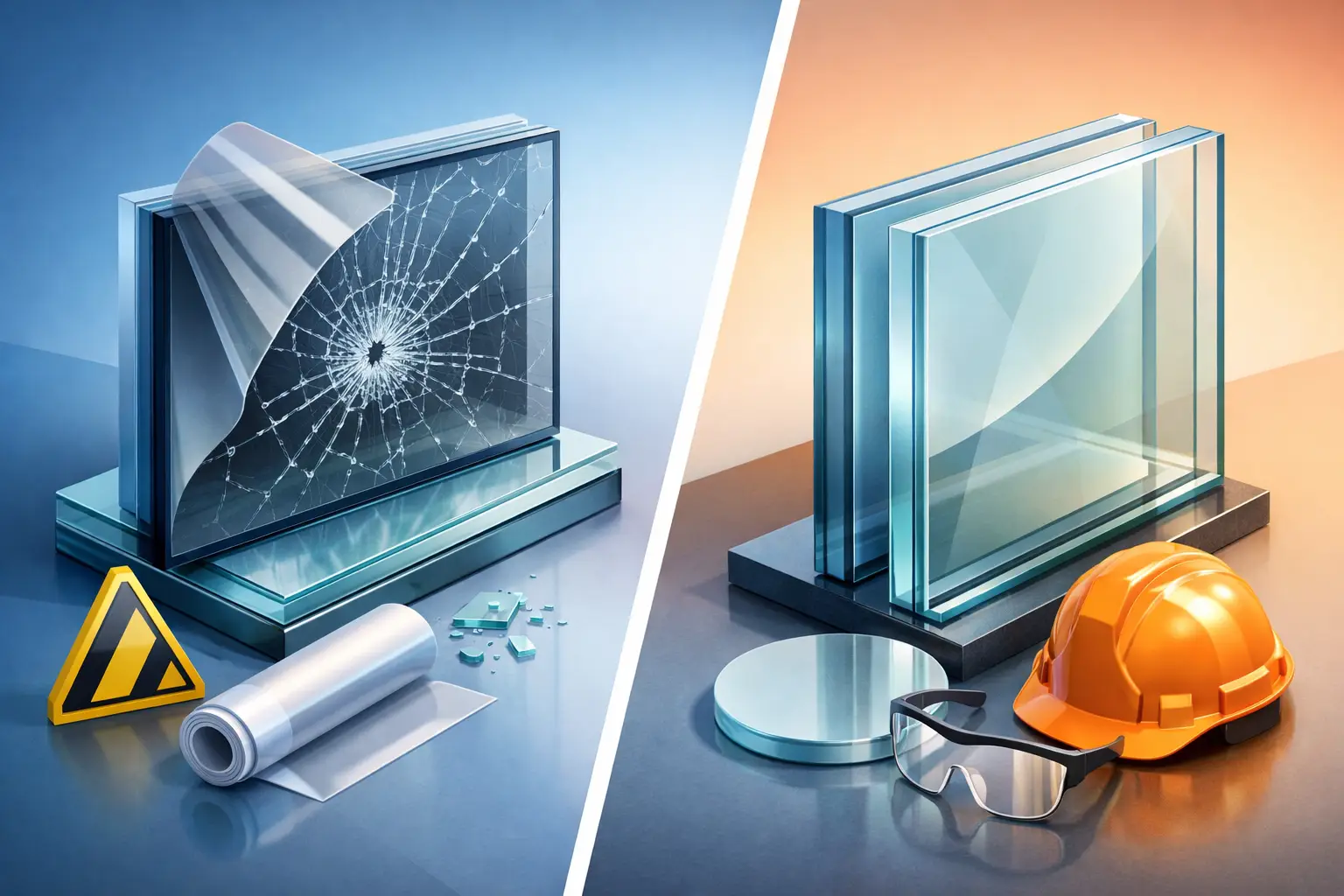
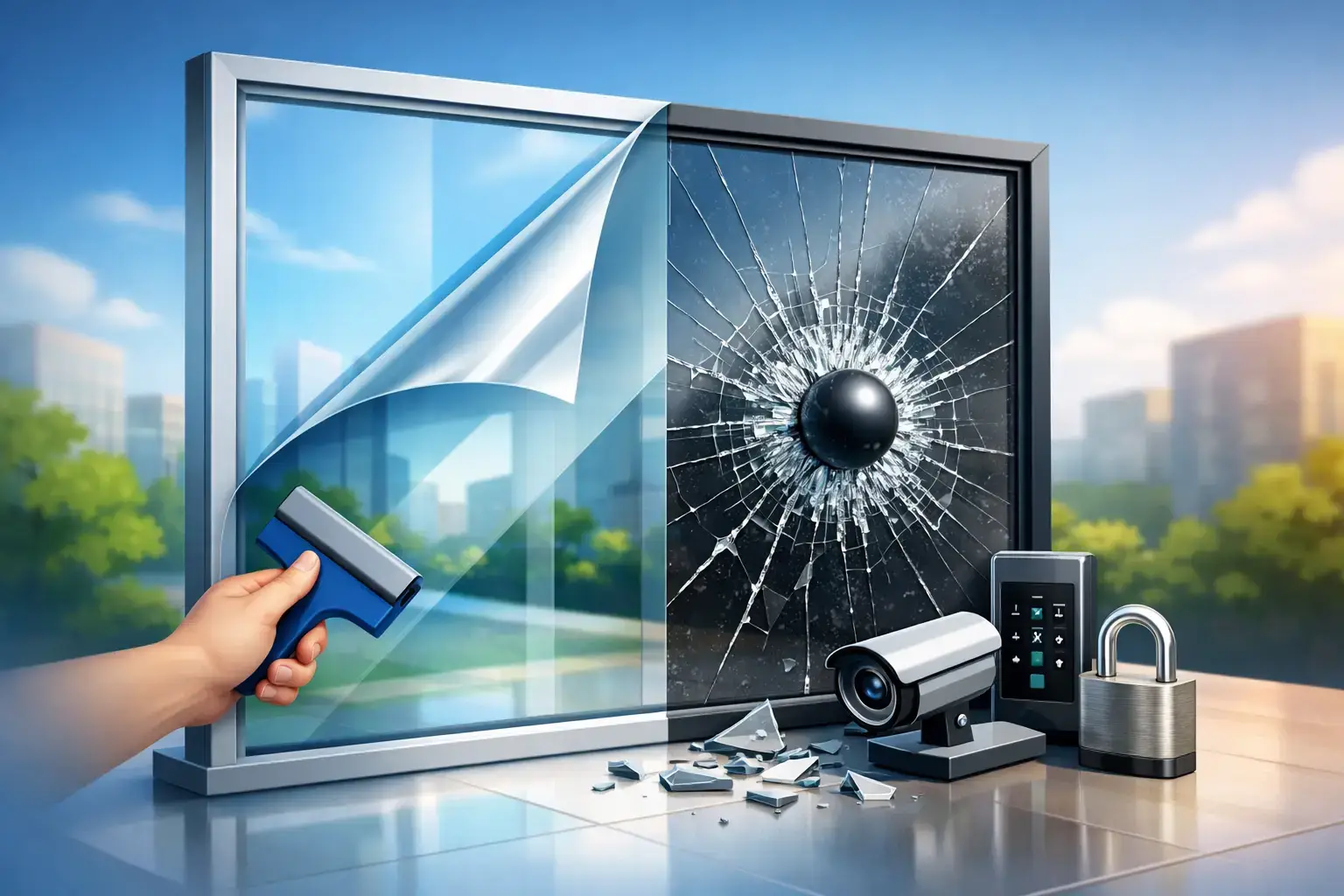
Security film is a thick polyester film applied to existing glass. Once installed properly, it helps hold broken glass together when the pane is struck. That changes the way the glass behaves under impact. Instead of breaking apart and dropping immediately, the glass tends to stay bonded longer, which can slow entry, reduce flying shards, and make the opening harder to exploit quickly.
That distinction matters. Security film does not prevent glass from cracking. In many cases, the glass will still break. What the film does is make that broken glass more resistant to collapse. For homeowners, that can mean fewer dangerous shards and more time to respond during a break-in attempt. For businesses, it can mean delaying smash-and-grab access long enough to create a deterrent.
This is one reason professionally installed film is different from a basic peel-and-stick product marketed as security protection. The strength of the system depends on the film itself, the adhesive, the condition of the glass, and often how the film is anchored at the frame.
Is security film worth it for homes?
For many homeowners, yes, especially when there are vulnerable entry points like sidelights, first-floor windows, or large panes near patio doors. Burglars usually want quick access with minimal resistance. If a window or glass door takes longer, makes more noise, and does not collapse on the first hit, that can be enough to interrupt the attempt.
Security film also has a strong safety benefit that is easy to overlook. In a home, accidental impact, storm debris, and glass breakage around children or pets can turn into a serious injury issue. Film helps contain shattered pieces, which can reduce cleanup hazards and lower the risk of injury.
For California property owners, another practical factor is the amount of glass used in modern home design. Large windows bring in light and views, but they also create more exposure. Replacing all that glass with laminated or specialty security glazing can be expensive. Security film offers a more cost-conscious way to improve protection while preserving the existing appearance of the home.
Still, not every homeowner needs it on every pane. If your concern is a hidden bathroom window, security film may not be the priority there. If you have large ground-level glass facing a backyard gate, that is a different story.
Is security film worth it for businesses?
For many commercial properties, the answer is often even clearer. Retail storefronts, offices, schools, healthcare spaces, and ground-floor commercial glass all face a mix of risks that security film can help address. Those risks include vandalism, accidental impact, break-ins, and safety liability from shattered glass.
In a retail setting, the value is often tied to delay. Smash-and-grab theft happens fast. If the glass stays in place longer after impact, the intruder loses time and certainty. That alone can reduce the appeal of the target.
In offices and public-facing facilities, the conversation is not only about crime. It is also about occupant safety. Broken glass can injure staff, customers, patients, or visitors even when the cause is accidental. Security film adds a measure of containment that can make a real difference.
For property managers, there is also a cost-control argument. Film can be far less expensive and disruptive than full glass replacement across multiple units or buildings. When budgets matter but risk reduction is still necessary, that makes security film a very practical middle ground.
Where security film delivers the most value
The best return usually comes from using it where glass is already a weak point. Entry doors with glass, sidelights, reception areas, storefronts, accessible lower-level windows, and isolated areas with less visibility are common examples.
It can also be especially worthwhile when paired with other security measures. Security film works better as part of a system, not as a stand-alone fix. Good locks, alarms, access control, lighting, and camera coverage all make the film more effective because the film helps create delay, and the rest of the system helps turn that delay into protection.
That is where expectations need to stay realistic. Security film buys time. In many situations, time is exactly what matters.
Where the answer is more complicated
There are cases where the answer to is security film worth it is more qualified.
If your glass is already old, damaged, or poorly installed, film may not deliver the performance you expect without addressing the underlying condition first. If the frame is weak, the glass can stay together but still fail at the edges or detach from the frame more easily than intended.
There is also the question of threat level. If someone needs true ballistic protection or high-level forced-entry resistance for a specialized environment, standard security film may not be enough. That type of application usually requires a broader glazing and framing strategy.
And if your main concern is heat, glare, or fading, a different film product or a combined solution may be the better fit. Security film can sometimes be integrated with solar performance features, but the right answer depends on priorities, glass type, and building use.
Cost versus replacement value
One of the strongest arguments in favor of security film is financial efficiency. Replacing existing glass with laminated security glass is effective, but it is often a much larger project with higher material and labor costs. Security film gives property owners a way to strengthen existing glass without the expense and disruption of a full replacement.
That said, cheapest is not the same as best value. Low-grade film, rushed installation, or poor edge detail can undermine the benefit. If the film is intended to perform under impact, the installation quality matters as much as the product selection. Precision trimming, clean adhesion, and the right attachment method all affect results.
For that reason, the worth of security film is tied closely to who installs it and how well the application is designed for the specific opening.
Professional installation makes the difference
This is not a category where appearance is the only measure of success. A security film installation can look clean and still be underbuilt for the actual risk. The right film thickness, the compatibility with your glass, and whether the system needs frame attachment all matter.
A professional assessment helps answer questions that many buyers do not think to ask at first. Which windows are most vulnerable? Is the goal safety, forced-entry delay, or both? Will the frame support the intended performance? Does the glass type affect film choice? Those details shape whether the investment will feel worthwhile later.
For homes and businesses that want a clear, practical upgrade rather than a complete glazing overhaul, this is where a specialist adds real value. Comfort Pro approaches these projects with that mindset – matching the film system to the actual risk, the building use, and the customer’s priorities instead of pushing a one-size-fits-all answer.
So, is security film worth it?
If you want stronger glass performance without replacing every window, security film is often worth it. It improves shattered-glass containment, makes forced entry more difficult, and adds a meaningful layer of protection for both residential and commercial properties.
Its best value shows up when the goal is practical risk reduction. Not perfection. Not invincibility. Just better protection, more time, and a smarter response to the weak points that glass can create.
If you are weighing the cost, start with the windows and doors that would cause the biggest problem if they failed. That is usually where security film proves its value fastest.