A shattered window creates more than a cleanup problem. It can expose a home, office, school, retail space, or healthcare facility to weather, theft, injury, and costly downtime. Security film is designed to help reduce that risk by holding broken glass in place after impact, giving property owners a practical layer of protection without replacing every existing window.
The key is understanding what the product is built to do. The right film, professionally selected and installed, can improve glass retention and make forced entry more difficult. It does not turn ordinary glass into an impenetrable barrier. That distinction matters when choosing protection for a property, setting expectations, and comparing film with other security upgrades.
What Security Film Does After Glass Breaks
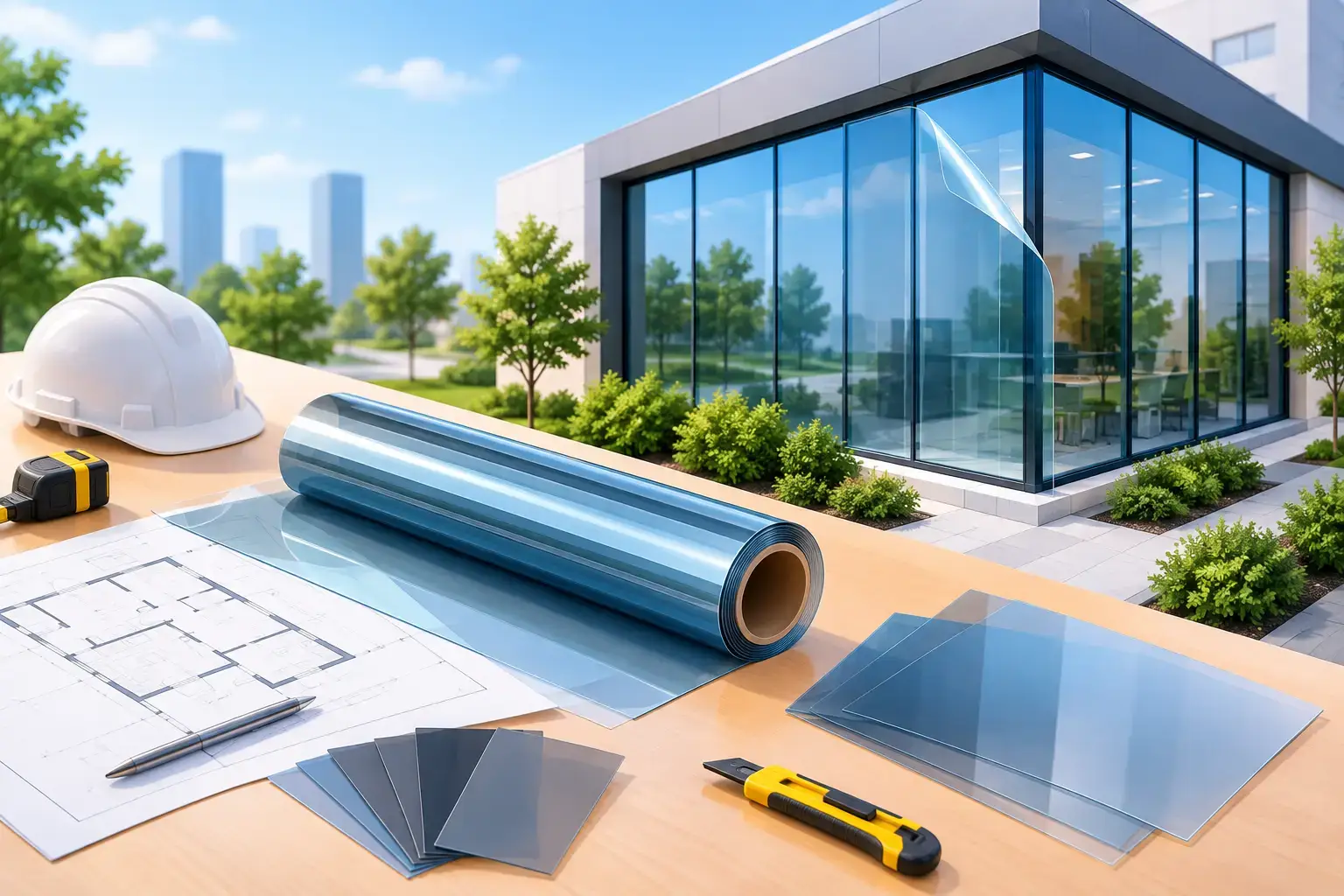
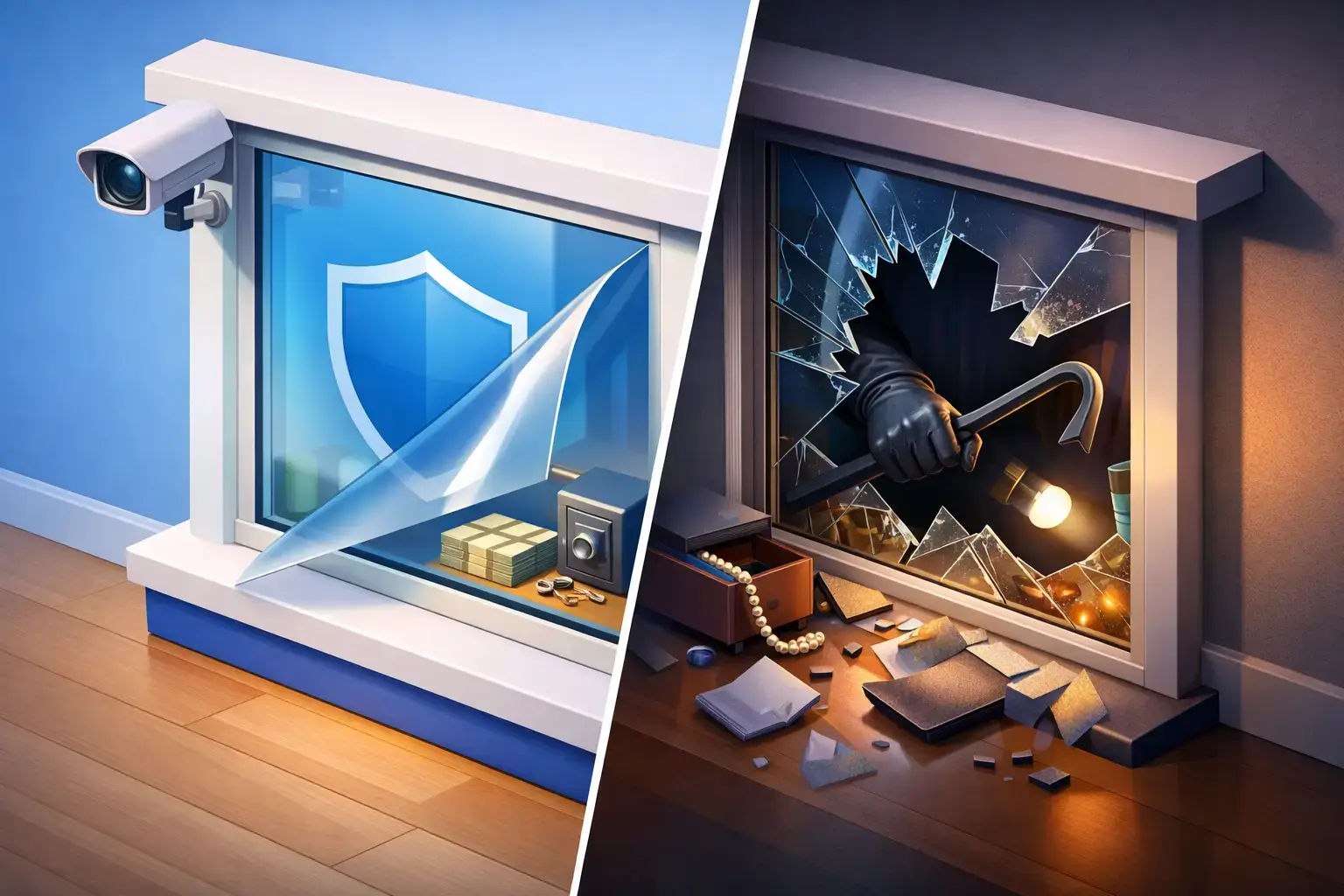
Security film is a thicker, clear polyester film applied to the interior surface of glass. It is bonded with a strong adhesive that helps keep fractured pieces together when the glass is struck, cracked, or shattered. Rather than falling immediately into a room or scattering across a walkway, the broken glass is more likely to stay attached to the film.
That performance can make a meaningful difference in several situations. A broken pane from an attempted break-in may remain in the opening longer, slowing access and creating more time for occupants, security personnel, or law enforcement to respond. During accidental impact, the film can reduce the dangerous spread of sharp glass fragments. In areas exposed to severe weather or windborne debris, it can help limit interior damage caused by flying glass.
For many owners, the value is not only in preventing a breach. It is also in reducing disruption. A retail storefront with contained glass damage may be easier to secure while replacement glass is ordered. A school or office can face less interior cleanup after an accident. A home can gain an added measure of reassurance around vulnerable ground-level windows and glass doors.
Security Film Is Not the Same as Stronger Glass
Film improves the behavior of glass after it breaks. It does not prevent every break, and it does not provide the same performance as purpose-built impact-resistant glazing, laminated glass systems, reinforced frames, or a comprehensive access-control plan.
An intruder with enough time, repeated force, or the right tool may still get through filmed glass. The film’s primary advantage is delay and containment. That delay can be valuable, but its real-world effectiveness depends on the glass type, window frame, installation method, and the force of the impact.
This is why product selection should start with the risk you are trying to address. If your primary concern is accidental breakage near a busy corridor, glass retention may be the priority. If you manage a ground-floor storefront with after-hours exposure, delaying forced entry may be more relevant. If a facility has specific code, safety, or threat-mitigation requirements, the recommended solution may involve film alongside other building upgrades.
A qualified installer should explain the trade-offs clearly instead of promising that one film solves every security concern.
Where Security Film Makes the Most Sense
Security film can be a smart upgrade anywhere existing glass creates a vulnerability or safety concern. It is especially useful for properties with large exposed panes, sidelights beside entry doors, glass doors, street-facing windows, and interior glass near active walkways.
In homes, customers often consider film for sliding glass doors, patio doors, windows near entrances, and areas where children or guests may be at greater risk from broken glass. Clear security film preserves the look of the window, which is helpful when a homeowner wants protection without changing the appearance of a room.
For businesses, applications often include storefronts, reception areas, glass partitions, office entries, and exterior doors. Retail operators may want additional delay against smash-and-grab incidents, while property managers may focus on reducing cleanup, limiting disruption, and protecting tenants in common areas.
Schools, medical offices, and other public-facing facilities have a different set of concerns. They may need to improve glass retention around doors and corridors while maintaining a clean, welcoming environment. Film can be discreet, but the planning should be precise. These properties benefit from a site review that considers traffic flow, door hardware, glazing condition, emergency procedures, and the desired level of protection.
Why Attachment and Installation Matter
A security film installation is not simply a matter of placing a thicker film on glass. The quality of the application affects clarity, appearance, durability, and performance after an impact.
First, the glass must be inspected. Existing chips, cracks, failed seals, moisture issues, and surface contamination can affect results. The film also needs to be matched to the glass and the intended use. A solution for a small interior pane may not be appropriate for a large commercial storefront.
Equally important is how the filmed glass interacts with its frame. In some applications, an attachment system may be recommended to help secure the film to the window frame. This can improve the system’s ability to retain the broken glass within the opening. Whether it is needed depends on the glass, frame, opening size, exposure, and protection goal.
Meticulous preparation is what separates a clean, lasting installation from a disappointing one. Professional installers clean and prepare the glass, align the film carefully, finish edges precisely, and inspect the completed work for a consistent appearance. At Comfort Pro, that process begins with understanding the property and the problem you want to solve, not with pushing a one-size-fits-all product.
Choosing the Right Film for Your Property
The best security film is not always the thickest option. Film thickness can be part of the decision, but it is only one factor. The correct choice should reflect the level of risk, the size and location of the glass, the existing glazing, the frame condition, and your expectations for visibility and appearance.
Clear film is often chosen where preserving natural light and an unchanged view is important. Some projects combine security benefits with solar control, helping manage heat, glare, and UV exposure at the same time. That combination can be practical for sun-exposed offices, storefronts, and homes, although the performance goals should be reviewed carefully so that one feature does not compromise another.
For example, a customer focused on maximum clarity may prefer a nearly invisible solution, while another may accept a slight tint in exchange for greater solar comfort. A facility manager may prioritize consistent performance across many windows and need a product that supports a planned maintenance and replacement schedule. There is no universal answer, but there is a clear process for finding the right fit.
Questions to Ask Before You Invest
Before approving a security film project, ask what specific threat or safety issue the film is expected to address. Ask whether the recommendation is intended for glass retention, forced-entry delay, impact mitigation, or a combination of these needs. Request an explanation of the product’s limitations as well as its benefits.
It is also wise to ask how the installer will evaluate the existing glass and frames, whether an attachment system is recommended, how the work will affect your view or natural light, and what the installation timeline will look like. Commercial customers should discuss access, operating hours, occupant safety, and how installation will be coordinated to minimize disruption.
A clear written scope is valuable. It should identify the areas being filmed, the selected product, any preparation or restoration work needed before installation, and the expected visual outcome. Good communication before the job helps prevent surprises after it.
A Practical Layer of Protection
Security film works best when it is treated as part of a thoughtful property protection plan. It can help contain broken glass, discourage quick entry, and reduce the immediate consequences of impact without changing the character of a home or business.
If vulnerable glass is causing concern, start with a professional assessment of the openings that matter most. The right recommendation will be specific, honest about limitations, and installed with the care needed to make protection look as good as it performs.