A west-facing living room that becomes unusable every afternoon is not just a comfort problem. It can mean higher cooling demand, faded flooring, strained furnishings, and employees or family members constantly closing blinds to escape glare. Energy efficient windows address those issues, but replacement is not always the most practical first step.
For many homes, offices, retail spaces, and multi-unit properties, professionally installed window film can improve the performance of existing glass without the cost, disruption, or construction timeline of full window replacement. The right solution depends on the glass you have, the direction it faces, the building’s needs, and the results you expect.
What Makes Windows Energy Efficient?
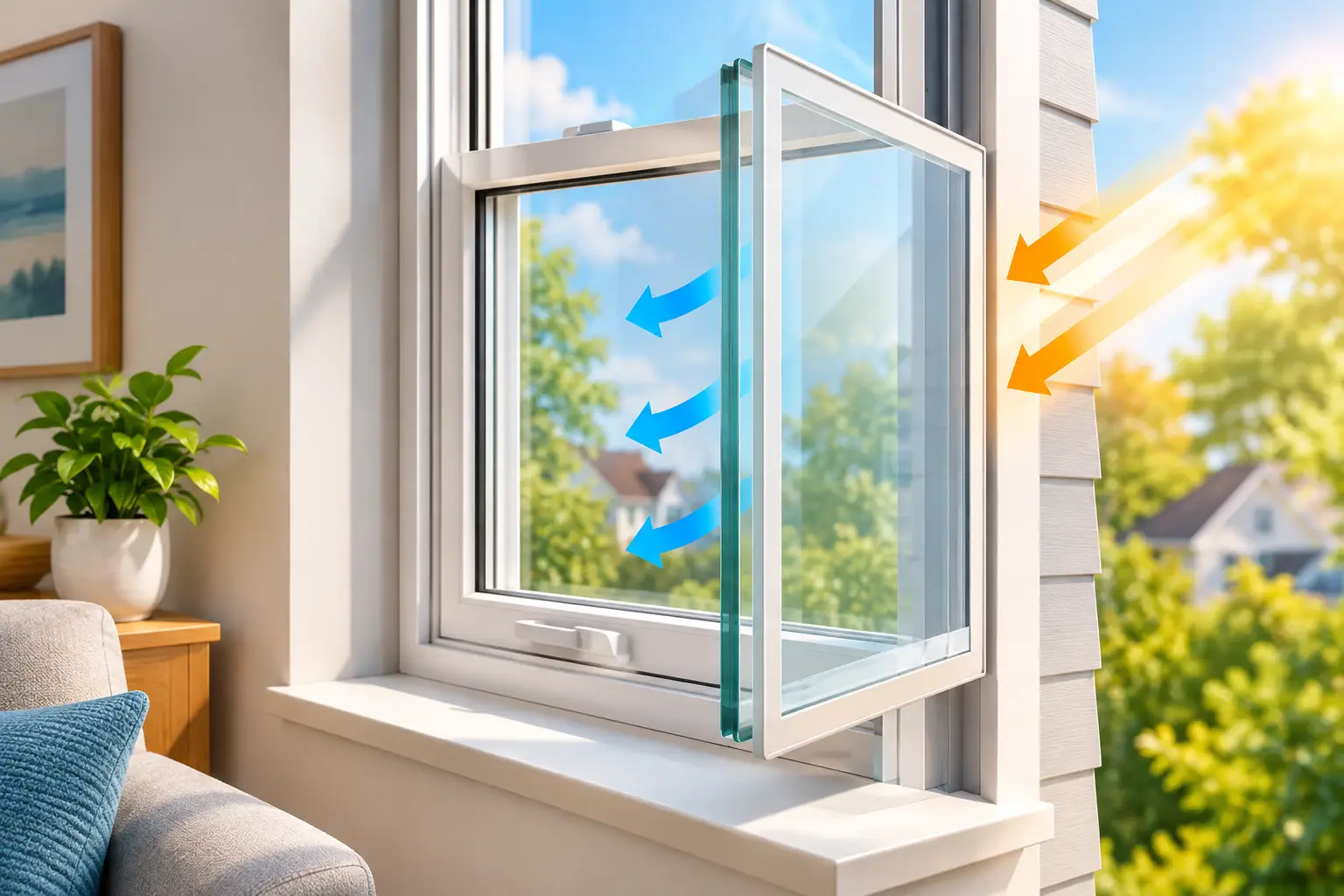
A window’s energy performance is about more than whether it feels warm or cool near the glass. It is determined by how much solar heat enters the space, how much heat transfers through the glass, and how effectively the window manages visible light.
Several ratings help describe that performance. Solar Heat Gain Coefficient, or SHGC, measures how much solar heat passes through a window. Lower numbers generally mean less unwanted heat gain. U-factor measures heat transfer through the window assembly, where lower values mean better insulation. Visible Transmittance indicates how much natural light comes through the glass.
These numbers matter, but they are not a reason to choose the darkest possible glass or film. A dim interior may reduce glare, yet it can also change the appearance of a home or workplace and reduce useful daylight. The best energy upgrade balances heat rejection, glare control, natural light, exterior appearance, and the needs of the people using the space.
Replacement Windows vs. Window Film
Replacing old, damaged, or poorly sealed windows can be the right long-term investment. New insulated glass units, improved frames, and low-emissivity coatings can address air leakage and poor insulation in ways film cannot. If you have broken seals, moisture between panes, warped frames, or windows that do not operate properly, replacement should be part of the conversation.
However, many windows are structurally sound and still allow intense sun, glare, and UV exposure. In that situation, solar control window film is often a targeted upgrade. It is applied directly to existing glass and can reduce solar heat, improve comfort near windows, and help protect interiors from UV-related fading.
Film is especially useful when a property has large glass areas, a single problem façade, or rooms that experience harsh afternoon sun. Rather than replacing every window, a property owner can focus on the glass creating the most discomfort and test the improvement in the spaces that matter most.
Where Film Delivers the Greatest Value
Solar control film can be a practical fit for homes with bright open living areas, offices with perimeter workstations, storefronts exposed to direct sun, and facilities where occupants regularly lower shades to work comfortably. It can also support energy-management goals in buildings where window replacement is not currently planned.
The return is rarely limited to one line on a utility bill. Reduced glare can make screens easier to see. Better heat control can help rooms feel more consistent. UV rejection helps preserve floors, artwork, displays, upholstery, and merchandise. For a business, those comfort and presentation improvements can be just as meaningful as lower cooling demand.
Choosing the Right Window Film for Your Glass
Not every film belongs on every window. Glass type, pane configuration, existing coatings, window condition, and local sun exposure all affect which product can be installed safely and effectively. This is where professional assessment matters.
Absorbing or reflecting too much solar energy can increase heat stress in certain glass configurations. A qualified installer reviews the window construction before recommending a film, particularly for insulated units, tinted glass, specialty glass, and older installations. The goal is to improve performance while respecting manufacturer guidelines and the limitations of the existing glazing system.
Modern architectural films come in more options than many property owners expect. Some are nearly clear and prioritize heat and UV rejection while preserving a natural view. Others reduce glare more aggressively or create a more uniform exterior appearance. Spectrally selective films are often a strong option when you want substantial solar control without making the room feel noticeably darker.
For privacy needs, decorative and frosted films can complement an energy strategy, although they are not necessarily solar-control products. Similarly, security film can strengthen glass retention and improve safety, but it should be selected for its safety purpose rather than assumed to provide the same heat-rejection performance as dedicated solar film.
Signs Your Windows Need a Performance Upgrade
You do not need specialized equipment to identify a likely window-performance issue. Pay attention to patterns that repeat at certain times of day or in specific rooms. Common signs include:
- Hot spots near windows despite normal air conditioning operation
- Persistent screen glare that causes people to close blinds or relocate
- Fading on hardwood floors, furniture, artwork, product displays, or fabrics
- Uneven temperatures between interior rooms and sun-facing areas
- High cooling demand during bright, warm conditions
These issues do not automatically mean every window needs film. They do show where an assessment should begin. A south- or west-facing wall of glass may require a different solution than a shaded north-facing room, even within the same building.
What to Expect From a Professional Installation
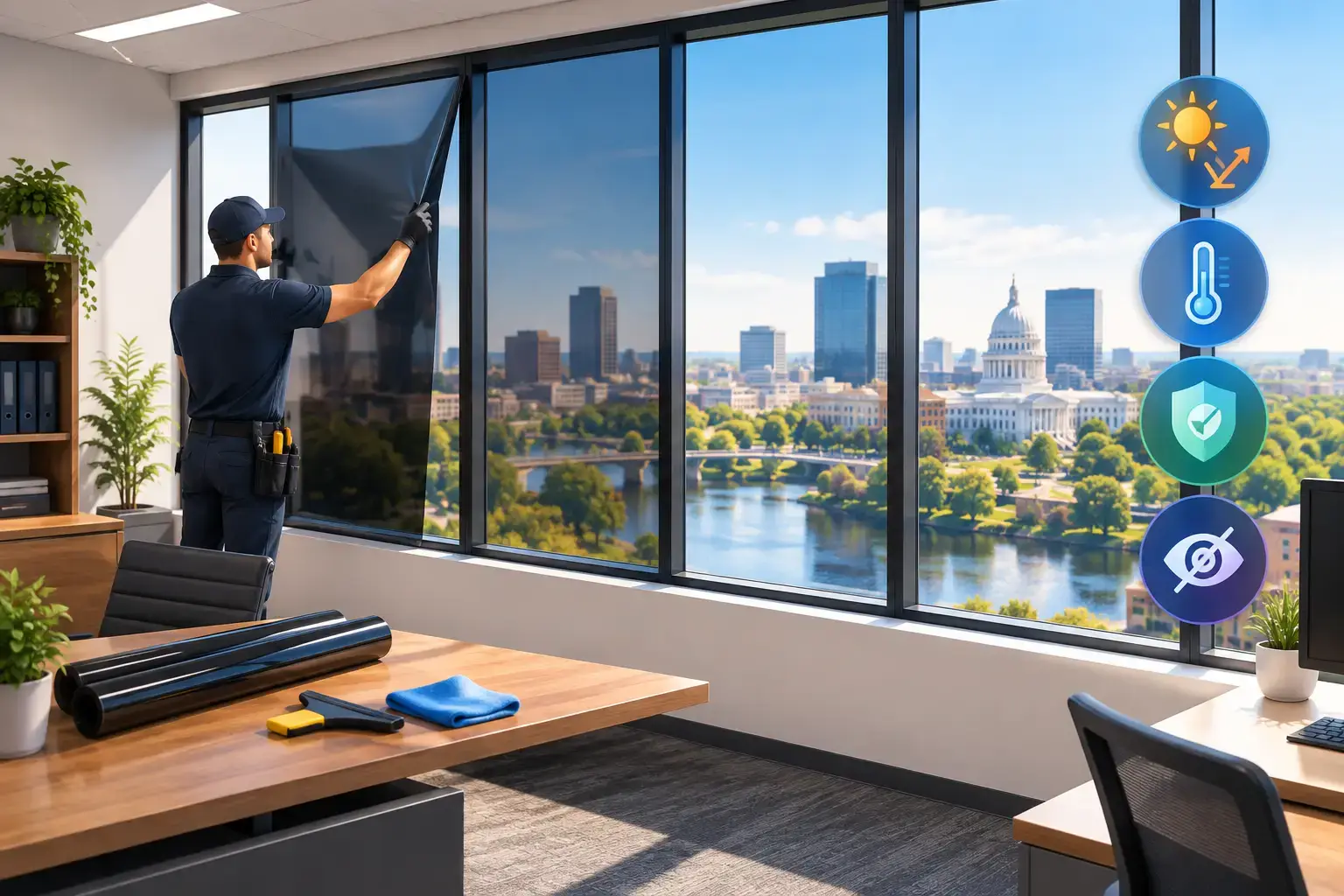
A precise installation starts before the film reaches the glass. The installer should assess the window type, discuss your priorities, review film samples, and explain expected changes in light, reflectivity, and appearance. For commercial projects, that process may also include coordinating around operating hours, tenant needs, access requirements, and phased installation.
During installation, the glass is carefully cleaned and prepared so dust, residue, and imperfections do not compromise the finished look. Film is cut and fitted to the glass, then bonded with a controlled application process. Edges, seals, and visible sightlines deserve close attention because craftsmanship is most apparent in the details.
After installation, some haze or small water pockets may be visible while the film cures. This is normal and generally clears as moisture evaporates. Cure time varies with the product, weather, glass size, and indoor conditions. A professional installer should provide clear aftercare guidance rather than leaving you to guess when or how to clean the glass.
Set Realistic Expectations About Energy Savings
Energy efficient windows and window film can reduce unwanted solar heat gain, but no single upgrade fixes every comfort issue. Poor attic insulation, air leaks, undersized HVAC equipment, aging weatherstripping, and unshaded roof exposure can all affect cooling performance. Film works best as part of a practical building-comfort strategy, not as a promise that every utility bill will drop by the same percentage.
The largest benefits are typically seen where direct sun is the driving problem. If a conference room overheats each afternoon because of a broad expanse of west-facing glass, reducing solar heat at the window can make a noticeable difference. If a room is uncomfortable because conditioned air is leaking through gaps around an aging frame, film alone will not solve that issue.
A good recommendation is specific. It considers the orientation of the glass, the function of the room, existing shades, desired appearance, and the performance data of the film being considered. It also avoids overselling darkness as efficiency. The right film should solve the actual problem while preserving the light and view you value.
A Smarter Path to Better-Performing Glass
Window replacement is a major capital project. It may be necessary, and it may deliver benefits that film cannot. But when your existing windows are in good condition, window film offers a focused way to improve heat control, glare, UV protection, and day-to-day comfort with far less disruption.
For California properties dealing with intense sun and varied exposures, a professional site evaluation can turn a vague comfort complaint into a clear, measurable plan. Comfort Pro helps property owners match premium film options to the glass, the space, and the result they want. Start with the windows that create the biggest problem, and choose a solution that makes the room more comfortable to use every day.