
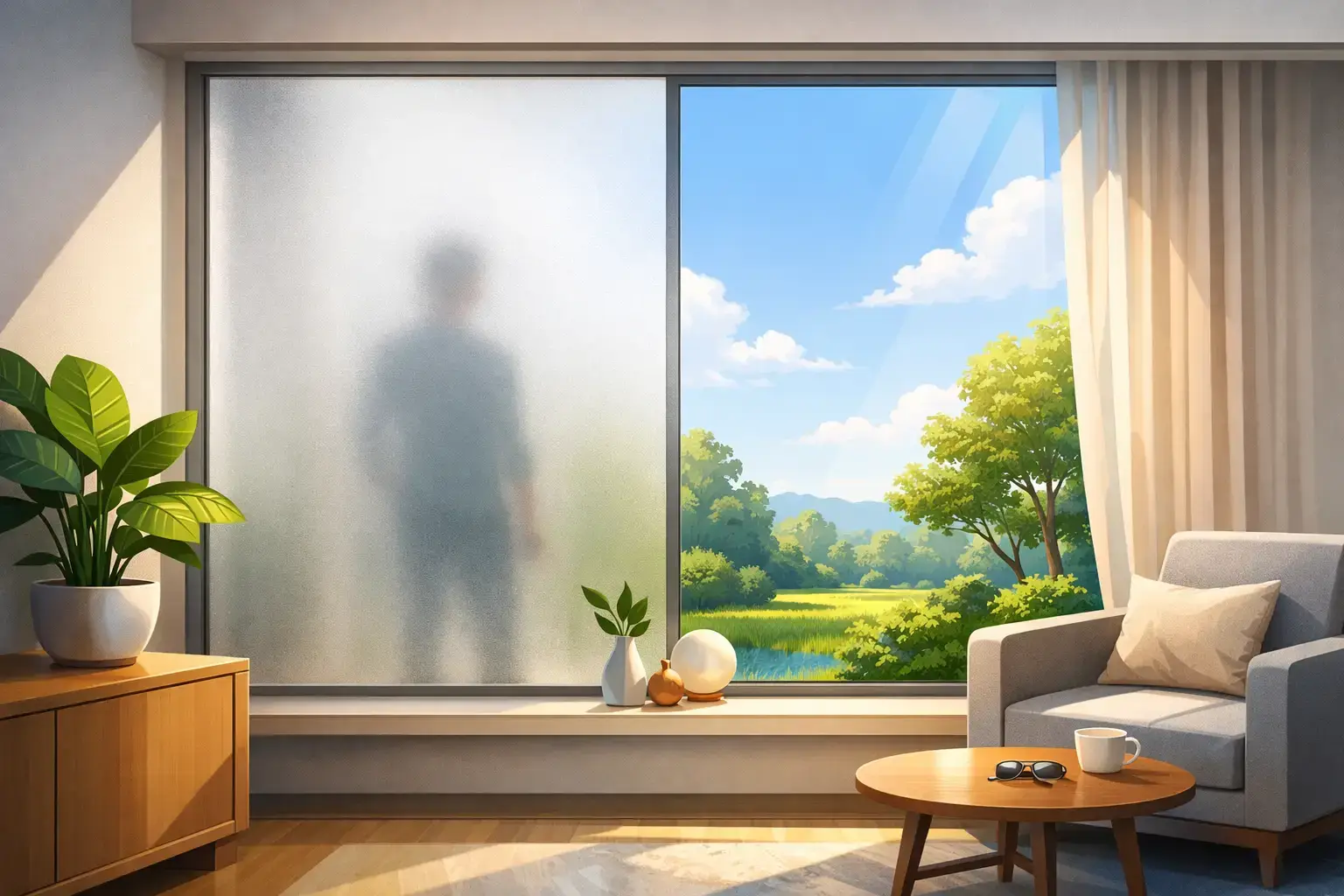
A street-facing bathroom window, a glass-walled conference room, or a living room that looks directly onto a neighbor’s patio can make a beautiful space feel exposed. Can window film add privacy without turning those windows into dark, closed-off surfaces? In many cases, yes. The right film can limit unwanted views while preserving natural light, improving appearance, and adding other practical benefits such as glare and UV reduction.
The key is matching the film to the kind of privacy you need. Some films obscure visibility at all times. Others rely on lighting conditions and work best during the day. A professional recommendation starts with how the room is used, where people are viewing from, and how much light you want to keep.
Can Window Film Add Privacy in Every Room?
Window film can add meaningful privacy in homes, offices, retail spaces, healthcare settings, and schools, but the result depends on the film type and the window’s location. A frosted or decorative privacy film is often the most dependable choice when you need visibility blocked both day and night. It diffuses light rather than simply darkening the glass, so the room can still feel bright.
This makes it a strong fit for bathroom windows, entry sidelights, interior office partitions, meeting rooms, glass doors, and street-level windows. For a home, it can stop a direct view into a private area without requiring blinds to stay closed all day. For a commercial property, it can create separation between workspaces while maintaining the open feel of glass.
Privacy film is also useful when the goal is partial coverage rather than full concealment. A band of frosted film across the middle of a conference room wall, for example, can block seated eye-level views while leaving upper glass clear. This approach preserves sightlines, daylight, and a polished architectural look.
The Difference Between Frosted and Reflective Privacy Film
Not all privacy films work in the same way. Understanding the distinction prevents a common disappointment: expecting a reflective film to provide nighttime privacy after interior lights are turned on.
Frosted and decorative films provide consistent obscurity
Frosted, etched, textured, and decorative films change how light passes through glass. Instead of allowing a clear view, they scatter the image behind the window. Shapes, movement, and light may still be visible, depending on the opacity selected, but facial details and room contents are obscured.
These films are commonly chosen where dependable privacy matters more than a clear outward view. They are available in subtle white frost, gradients, patterns, custom designs, and printed applications. The finish can support a modern office design, soften a residential entry, or add branding to a storefront or reception area.
Reflective films provide daytime privacy
Reflective and some darker solar control films can make it difficult to see inside during the day because the exterior side of the glass is brighter than the interior. From outside, the window takes on a mirror-like appearance. From inside, occupants can usually retain a view out.
That benefit changes after dark. When indoor lighting becomes brighter than the exterior, the effect reverses. People outside may be able to see in, particularly when standing close to the glass. Curtains, shades, or another layer of coverage may still be needed at night.
Reflective film is often an excellent choice for daytime privacy in offices, retail spaces, and homes with strong sun exposure. It can also reduce glare, reject UV rays, and help manage solar heat. It is not, however, a replacement for 24-hour visual privacy where interior lights are regularly used after sunset.
Choose Privacy by the View You Need to Control
The best window film is determined by the viewing angle, distance, and use of the room. A window directly beside a front door has different demands than a second-floor bedroom window or a lobby partition.
For a bathroom, full frosted coverage is usually the practical answer. It offers privacy at any hour and allows daylight to enter. For a glass shower enclosure, the selected film and installation method should be appropriate for moisture exposure and the condition of the glass.
For a bedroom facing nearby homes, a combination can make sense. Decorative privacy film can cover the lower portion of the window, while blinds or drapery provide adjustable nighttime coverage. If the concern is an elevated view from an adjacent building, coverage may need to extend higher than expected.
For conference rooms and private offices, frosted bands or custom-cut designs offer discretion without making the workspace feel enclosed. A property manager may also choose a gradient film that becomes more opaque at seated eye level and clearer near the top of the glass. This protects privacy while keeping the room visually connected to the rest of the building.
For storefronts and street-level commercial windows, the decision often involves privacy, security, and merchandising. Film can obscure back-of-house areas, reduce distracting views into workstations, or add branded graphics. However, a fully opaque treatment can reduce visibility to products and staff, so placement matters.
Privacy Film Can Improve More Than Privacy
A well-chosen film can solve several window problems at once. That is especially valuable for properties with large glass areas, where a privacy concern often comes with glare, fading, heat, or uncomfortable brightness.
Solar control film may reduce harsh glare on screens and help limit UV exposure that contributes to fading of flooring, furnishings, displays, and artwork. Depending on the product, it can also reduce solar heat entering through the glass. This can make sun-facing rooms more comfortable and lessen the strain on cooling systems during warm California weather.
Decorative film adds a design element that standard blinds cannot always provide. It can make dated glass look intentional, create visual consistency across a multi-tenant office, or conceal an unattractive view without a construction project. Custom printed film can also incorporate patterns, wayfinding, or business branding where appropriate.
Privacy needs and safety needs sometimes overlap, but they should be treated as separate requirements. Safety and security film is designed to help hold broken glass together under certain impacts. It may be paired with a privacy film solution in some applications, but it does not automatically create visual privacy. A careful assessment helps ensure the selected product addresses the actual risk or concern.
What to Consider Before Selecting a Privacy Film
Start by looking at the window from both sides during the times of day that matter most. If privacy is needed after dark, test the view with indoor lights on. If the concern is glare, note when direct sun hits the glass. These details affect whether you need an opaque, translucent, reflective, or combination solution.
The glass itself also matters. Window type, existing coatings, pane construction, and exposure can affect which films are appropriate. Certain glass configurations require product-specific guidance to avoid unnecessary thermal stress. Professional installation is not just about avoiding bubbles or crooked edges. It also includes selecting a compatible film, preparing the surface correctly, and finishing edges cleanly for a durable result.
For commercial spaces, consider building standards and the need for consistency across rooms or locations. A film that looks right in one office should still support privacy, branding, and maintenance goals across the property. Samples installed or held against the glass can make opacity and color easier to judge before a larger project begins.
A Clearer Way to Create Private Spaces
Window film is one of the few upgrades that can change privacy, comfort, and appearance without replacing the glass. The most successful projects are not based on the darkest film or the most opaque pattern. They are based on an honest look at when privacy is needed, what light should remain, and how the space needs to function.
For homeowners and property teams, that means choosing a solution that works after sunset as well as during the day, fits the room’s design, and is installed with precision. A thoughtful consultation with a specialist such as Comfort Pro can turn an exposed window into a private, comfortable part of the space without sacrificing the light that made the room appealing in the first place.