Sunlight can make a bright room feel welcoming, but it can also slowly drain the color from hardwood floors, upholstery, artwork, retail displays, and merchandise. The best ways to reduce fading start with controlling what enters through the glass, then supporting that protection with thoughtful interior choices. For homes, offices, and storefronts, the goal is not to block every bit of daylight. It is to keep the light you enjoy from causing expensive, irreversible damage.
Fading is often gradual enough that it goes unnoticed until a rug has a pale strip near the window or a display item looks noticeably different from the same product stored away from daylight. A practical protection plan preserves the appearance and value of the spaces and materials you have already invested in.
Why interiors fade near windows
Ultraviolet radiation is a major contributor to fading, but it is not the only one. Visible light can alter dyes and pigments over time, while solar heat speeds up the chemical changes that weaken fabrics, finishes, and printed materials. High sun exposure, particularly on south- and west-facing glass, creates the greatest risk.
That is why standard window glass alone is rarely enough for sun-exposed interiors. It may reduce some UV exposure, but it does not fully address the combination of UV rays, heat, and intense visible light that causes damage. The materials themselves matter, too. Natural fibers, dark inks, wood stains, photographs, leather, and lower-quality dyes can fade at different rates.
Best ways to reduce fading from sun exposure
Install professionally selected UV window film
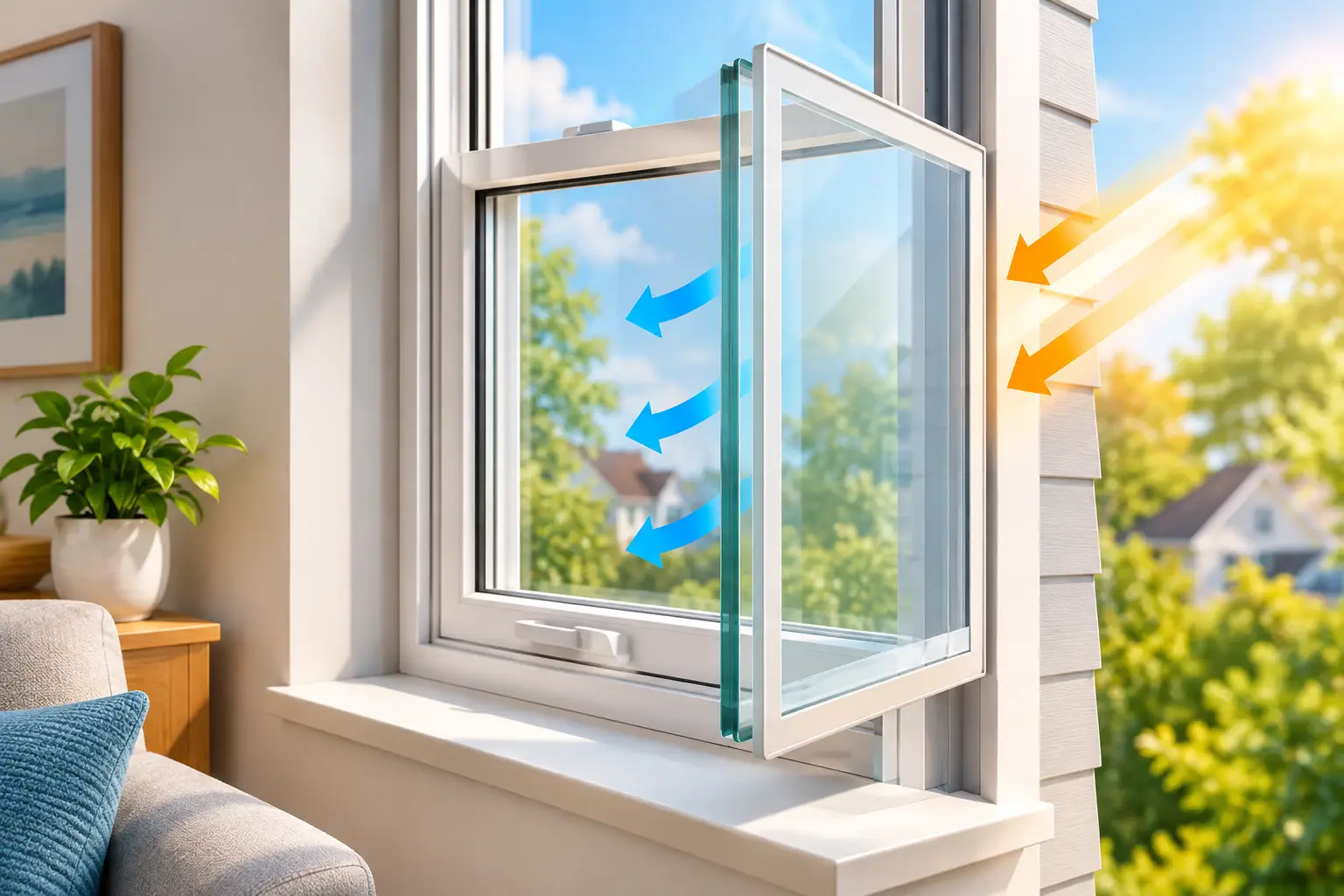
For most residential and commercial spaces, window film is the most effective first line of defense. Quality solar control film can reject up to 99% of UV rays while also reducing solar heat and glare. This gives furnishings, flooring, artwork, and displays a better chance of maintaining their original color without forcing you to keep blinds closed all day.
The right film depends on the glass, window orientation, room use, and appearance you want to maintain. Some films are nearly clear and prioritize UV protection with minimal visual change. Others provide stronger heat rejection, glare control, daytime privacy, or a more reflective exterior appearance. A professional assessment helps avoid choosing a film that looks too dark, changes the exterior aesthetic more than expected, or is not appropriate for a particular type of glass.
Window film reduces fading risk significantly, but no product can promise to stop fading completely. That is an important distinction for valuable art, antiques, sensitive textiles, and retail materials with delicate inks. Protection works best as a layered strategy.
Use shades and blinds during peak sun hours
Shades, blinds, shutters, and curtains provide a physical barrier when sunlight is most intense. In rooms with direct afternoon exposure, simply closing window coverings during those few high-impact hours can make a meaningful difference over the life of a floor, sofa, or display.
The trade-off is daylight and view. Heavy blackout coverings offer strong protection but can make a room feel closed off. Solar shades are often a better fit for living areas, offices, and storefronts because they soften glare and reduce light intensity while preserving some outward visibility. Pairing solar shades with a clear or lightly tinted UV window film can offer consistent protection without sacrificing the open feel of the space.
Move sensitive items away from direct light
A small change in placement can prevent years of uneven color loss. Avoid placing artwork, framed photographs, leather furniture, rugs, and product displays directly in a concentrated patch of sun. Even moving an item a few feet away from the glass or out of the strongest afternoon light can reduce exposure.
For retailers, this is especially useful for seasonal displays and high-value merchandise. Reserve window-adjacent areas for products that can tolerate exposure, use protected display cases for more delicate items, or refresh the arrangement on a regular schedule. The same principle applies to homes: a favorite chair can stay near the window, but it may benefit from a side table, plant, or window treatment that breaks up direct sun.
Rotate rugs, furniture, and displays
Sunlight rarely hits a room evenly. One side of a rug may receive daily exposure while the other remains shaded, leading to obvious color variation when furniture is moved. Rotating rugs and rearranging furniture occasionally helps distribute the exposure instead of allowing one section to take the full impact.
This is not a substitute for UV protection, but it is a practical maintenance habit. In commercial settings, rotate window displays, promotional signage, and merchandise on a schedule. It keeps the presentation fresh while limiting the likelihood that a single display will fade before the campaign ends.
Choose fade-resistant materials for sunlit spaces
If you are furnishing a bright room or updating a storefront, material selection matters. Look for performance fabrics, solution-dyed textiles, UV-stable inks, and finishes rated for lightfastness. These products are designed to retain color better when exposed to daylight.
That said, “fade-resistant” does not mean fade-proof. A durable outdoor-grade fabric may outperform a delicate natural textile, but direct sun through a large window can still change its appearance over time. Consider the light conditions before selecting colors and materials. Pale neutrals tend to show fading less dramatically than saturated colors, while some woods and leathers naturally develop a patina that may be desirable or unwelcome depending on the design intent.
Reduce heat as well as UV exposure
Heat is often overlooked because it is less visible than glare. Yet heat can dry out wood, accelerate the breakdown of finishes, and add stress to fabrics and adhesives. Rooms with large glass walls, skylights, and west-facing windows are common trouble spots.
Solar control window film addresses this issue by rejecting a portion of the sun’s heat before it enters the room. The benefit extends beyond preservation. Less solar heat can improve comfort near windows and reduce strain on cooling systems during warm California afternoons. For offices and retail spaces, that can help keep staff, customers, and displays more comfortable throughout the day.
Protect artwork, photographs, and collectibles separately
Highly valuable or irreplaceable pieces deserve additional care. Use UV-filtering glazing for framed art and photographs, keep sensitive items out of direct sun, and avoid hanging them opposite an uncovered window where reflected light can also be intense. Display lighting should be considered as well, since certain artificial light sources can contribute to long-term fading.
For collections, antiques, or archival materials, consult a framing or conservation specialist about the right mounting, glazing, and environmental conditions. Window film remains valuable as room-level protection, but it should not be the sole preservation method for museum-quality pieces.
Maintain windows and inspect protection over time
Clean, well-maintained glass helps you see changing light patterns and identify trouble areas early. Watch for furniture edges, flooring near glass, or displays that appear lighter than covered areas. These clues show where direct exposure is doing the most damage.
If window film is installed, follow the installer’s cleaning guidance and use non-abrasive tools. Quality film is designed for long-term performance, but inspection is still worthwhile after renovations, window replacements, or major changes to surrounding landscaping. A removed tree, a new reflective building surface, or a redesigned interior layout can change how sunlight reaches the room.
How to prioritize fading protection by room or property type
Start where the sun is strongest and the replacement cost is highest. In a home, that may be a living room with hardwood floors, custom drapery, and leather seating. In an office, it may be a conference room with large windows and premium furnishings. In a retail environment, it is often the front display zone where merchandise and printed graphics receive constant light.
A clear UV-focused film may be sufficient for a shaded room with occasional exposure. A heavily sunlit storefront or west-facing office may benefit from a higher-performance solar film combined with solar shades. The right answer depends on the glass, the items being protected, the desired level of natural light, and how much heat and glare the space receives.
Comfort Pro approaches fading protection as a practical performance upgrade, not a one-size-fits-all tint choice. A careful review of window orientation, glass type, interior materials, and comfort concerns makes it easier to select a film that protects the space without compromising its design.
The best time to address fading is before the damage becomes noticeable. A few well-chosen measures can preserve the colors, finishes, and displays that make a property feel polished, comfortable, and worth maintaining.