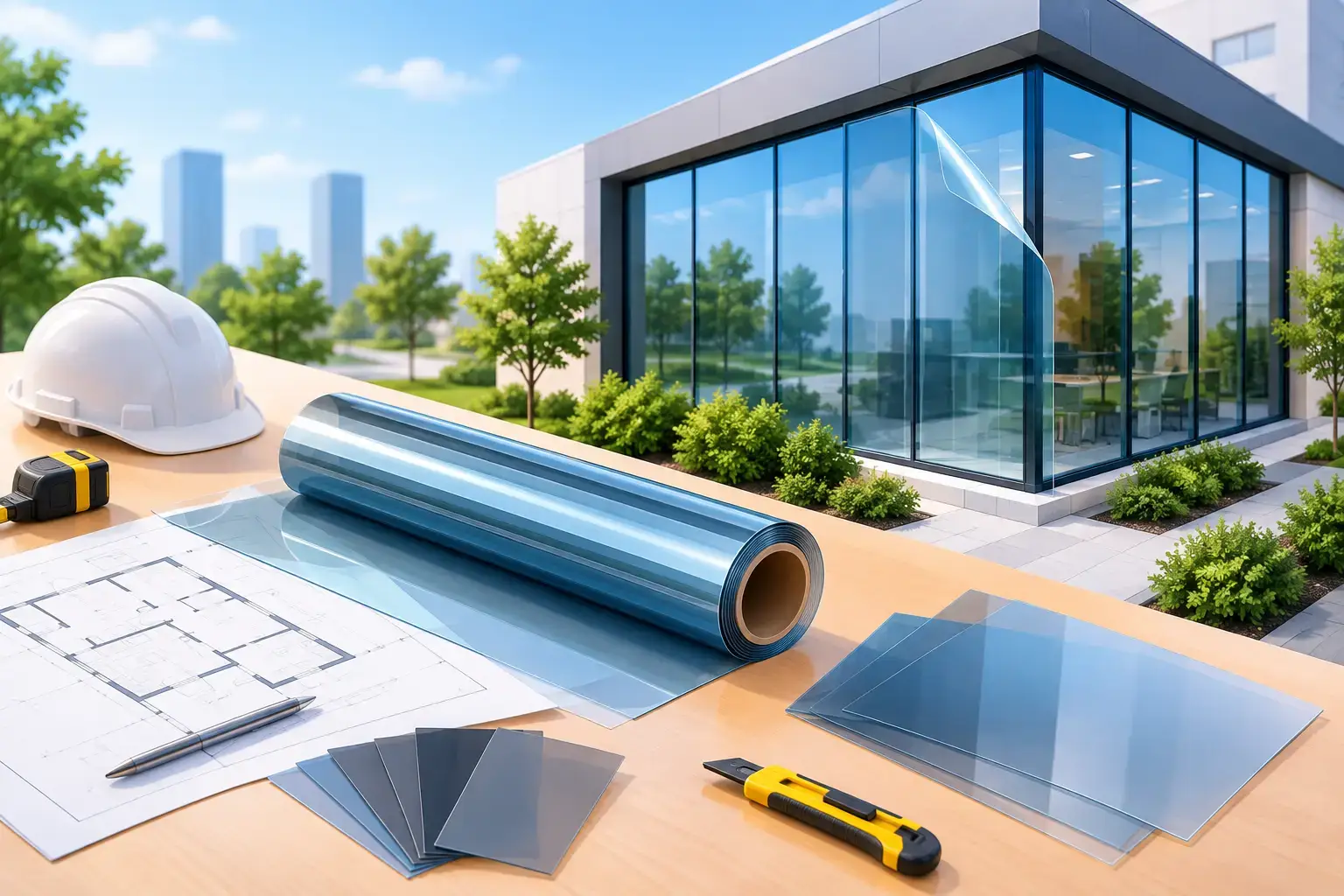
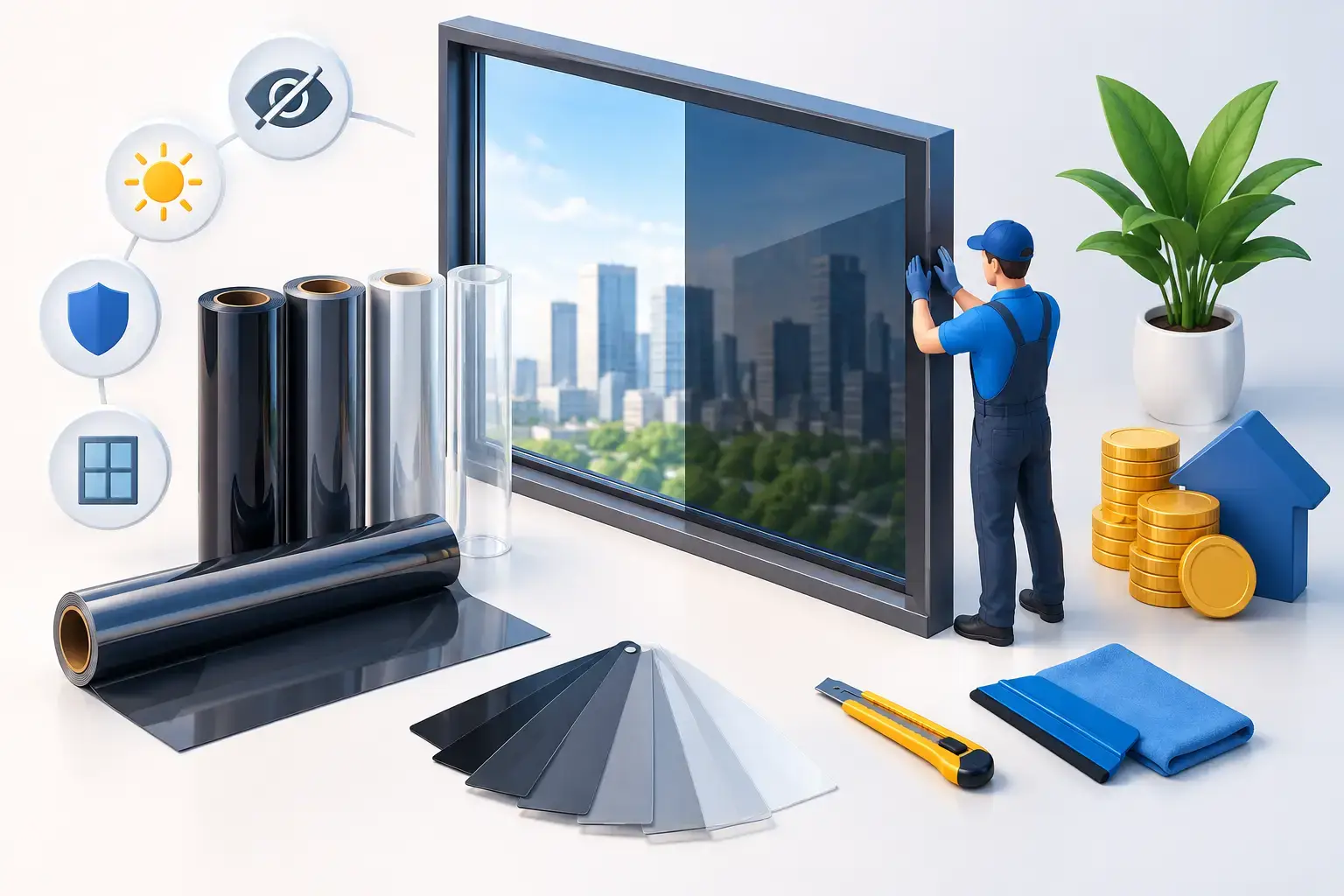
A frosted bathroom window, a conference room with exposed glass, or a street-facing storefront can create the same problem: people can see more than they should. Privacy film cost is often far less than replacing glass or adding custom window treatments, but the right budget depends on more than square footage. The film itself, the condition and location of the glass, and the precision required for installation all affect the final price.
For homeowners and property managers, the best question is not simply, “What does privacy film cost?” It is, “What level of privacy, finish, and long-term performance does this space require?” A low-cost film can be appropriate for a temporary need. A premium, professionally installed solution makes more sense when appearance, durability, and clean edges matter every day.
Privacy Film Cost at a Glance
Professional privacy film projects are commonly priced by the square foot, with additional consideration for labor, access, glass preparation, and design complexity. Basic frosted or etched-look films are generally among the more affordable options. Decorative patterns, custom-cut designs, gradients, printed graphics, and specialty finishes typically raise the price.
A small residential window may carry a higher per-square-foot cost than a large office project because setup, measuring, cutting, and installation time do not shrink with the size of the job. Larger projects can often benefit from better per-square-foot pricing, but they may also involve more complicated access, after-hours scheduling, or coordination with building management.
As a planning range, professionally installed privacy film can fall roughly between $8 and $25 or more per square foot. Simple films on accessible, standard panes tend to sit toward the lower end. Premium decorative products, custom branding, difficult glass layouts, and complex installation conditions can move a project above that range. A site-specific quote is the only reliable way to establish a final number.
What Affects Privacy Film Cost Most?
The material is only one part of the investment. Quality installation is what makes a privacy film look intentional rather than temporary, especially on highly visible glass walls, entryways, and interior partitions.
Film style and performance
The most economical option is often a standard translucent or frosted film that obscures views while still allowing light into the room. It works well for bathroom windows, sidelights, office doors, interior glass partitions, and areas where clear privacy is the main goal.
Decorative films add another layer of cost because the finish, pattern, opacity, and cutting requirements are more specialized. Options may mimic etched glass, create a reeded or textured appearance, or use a gradient that leaves part of the window open for visibility. These solutions can improve the look of a space as much as they improve privacy.
Some projects combine privacy with solar control, glare reduction, UV rejection, or safety benefits. A multi-purpose film may cost more upfront than a basic frosted product, but it can solve several comfort and protection concerns with one installation. The right choice depends on whether the glass faces the public, receives intense sun, or needs to meet a specific visual standard.
Glass size, shape, and layout
Large, rectangular panes are generally the most efficient to film. Small panes, French doors, divided lites, transoms, curved glass, and glass with unusual cutouts require more detailed measuring and trimming. That additional craftsmanship is reflected in the price.
The amount of glass matters, but so does the number of individual pieces. Ten square feet spread across multiple narrow door panels can take more time than ten square feet on one uninterrupted office window. When comparing quotes, make sure the scope accounts for every pane rather than relying on a simple room measurement.
Installation access and site conditions
A ground-floor window with clear working space is straightforward. Glass behind furniture, high interior windows, upper-story panes, secured commercial areas, or windows requiring lifts and special access take more planning. In commercial buildings, work may need to happen after business hours to avoid disrupting employees, customers, patients, or tenants.
Surface condition also matters. Film should be applied to clean, sound glass. Adhesive residue, paint overspray, heavy buildup, scratches, or damaged areas may require cleaning, restoration, or prep work before installation. That preparation supports a better finish and helps prevent imperfections from showing through the film.
Custom design and branding
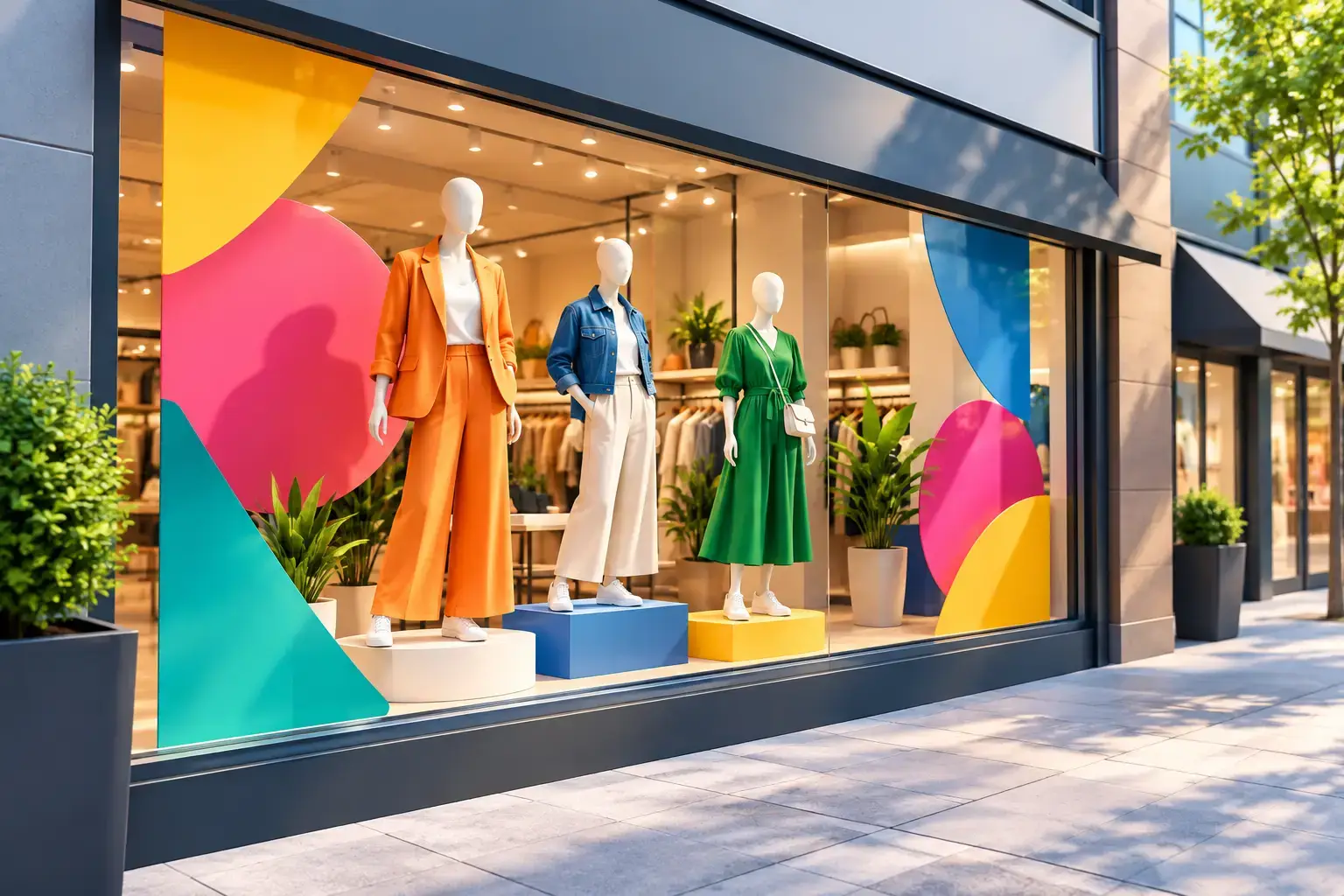
Custom privacy film is especially valuable in offices, medical settings, retail environments, schools, and multifamily properties. It can incorporate logos, wayfinding elements, repeating patterns, bands, or privacy zones that align with the space.
Custom printed film and precision-cut graphics require design review, production, and careful placement. They cost more than a standard roll of frosted film, but they can replace generic decals and turn plain glass into a branded architectural feature. For customer-facing businesses, that visual impact can be worth the difference.
Professional Installation Versus DIY Film
DIY privacy film has a place, particularly for a short-term need or a small, low-visibility window. The upfront material price is lower, and some homeowners are comfortable handling a basic application. The trade-off is that the finished appearance and longevity depend entirely on surface preparation, cutting accuracy, application technique, and the quality of the film.
Common DIY issues include trapped dust, air bubbles, uneven edges, gaps around the frame, torn corners, and film that begins to lift. Removing a failed product can also leave adhesive behind, adding work before a new film can be installed.
Professional installation is usually the better value for large windows, interior glass walls, storefronts, and spaces where the film will be seen at close range. An experienced installer can recommend the right opacity, account for sightlines, prepare the glass correctly, and create clean, consistent edges. The goal is a finished surface that looks like it belongs with the glass, not like an afterthought.
How to Budget for a Privacy Film Project
Start by defining the problem in each area. Do you need complete visual privacy, daytime screening, a decorative upgrade, a glare solution, or a balance of several benefits? A conference room may need a partial frosted band that preserves openness. A bathroom may need fuller coverage. A retail office may need privacy plus a polished branded look.
Then consider how long the solution needs to perform. Choosing a reputable film product and professional installation can reduce the likelihood of early peeling, discoloration, or replacement. For properties that serve clients, tenants, or employees, a clean installation also protects the impression the space makes.
If you are managing a larger property, it can be helpful to group multiple areas into one project. A coordinated plan for office fronts, meeting rooms, entry doors, and sidelights may be more efficient than scheduling small installations over time. It also creates a more consistent visual standard throughout the building.
Questions That Lead to an Accurate Quote
A reliable quote should be based on more than a rough estimate of window size. Be prepared to discuss the number of panes, approximate dimensions, desired privacy level, preferred finish, and whether the glass is easily accessible. Photos can help identify divided glass, hardware, existing films, or layout details that may affect the work.
For commercial projects, mention scheduling requirements, site rules, security procedures, and whether the work must be completed in phases. For residential projects, identify rooms with moisture, direct sun, or furniture that may need to be moved. These details allow the installer to recommend a solution that fits the space and avoids surprises once the project begins.
A thoughtful privacy film installation should make the room feel more comfortable without making it feel closed off. Whether you are improving a single bathroom window or updating glass throughout a workplace, the right film and careful installation can deliver privacy that looks deliberate, performs reliably, and continues to add value long after the work is complete.