A storefront has to do two jobs at once: invite customers in and protect what happens inside. The best films for storefront privacy make that balance possible without permanently blocking natural light or forcing a business to hide behind blinds, curtains, or an unwelcoming covered window.
For retail operators, offices with street-facing glass, salons, clinics, and service businesses, privacy film is more than a visual upgrade. It can reduce direct sightlines to work areas, protect merchandise and equipment from casual viewing, support a more comfortable customer experience, and give the storefront a more finished appearance. The right choice depends on when privacy is needed, how much light the space requires, and whether branding, solar control, or added safety are part of the project.
Start With the Privacy Problem, Not the Film Color
A dark film is not automatically a private film. In fact, a film that looks highly reflective or nearly black from outside during the day may provide very little privacy after sunset once interior lights are on. That is one of the most common surprises in storefront film projects.
Before selecting a product, consider what people can see, from where, and at what time. A boutique may need to screen stockroom shelving near the front window while keeping displays visible. A medical office may need obscured lower glass for patient discretion. A salon may want privacy around treatment areas but still want an open, bright entry. Each scenario calls for a different film solution.
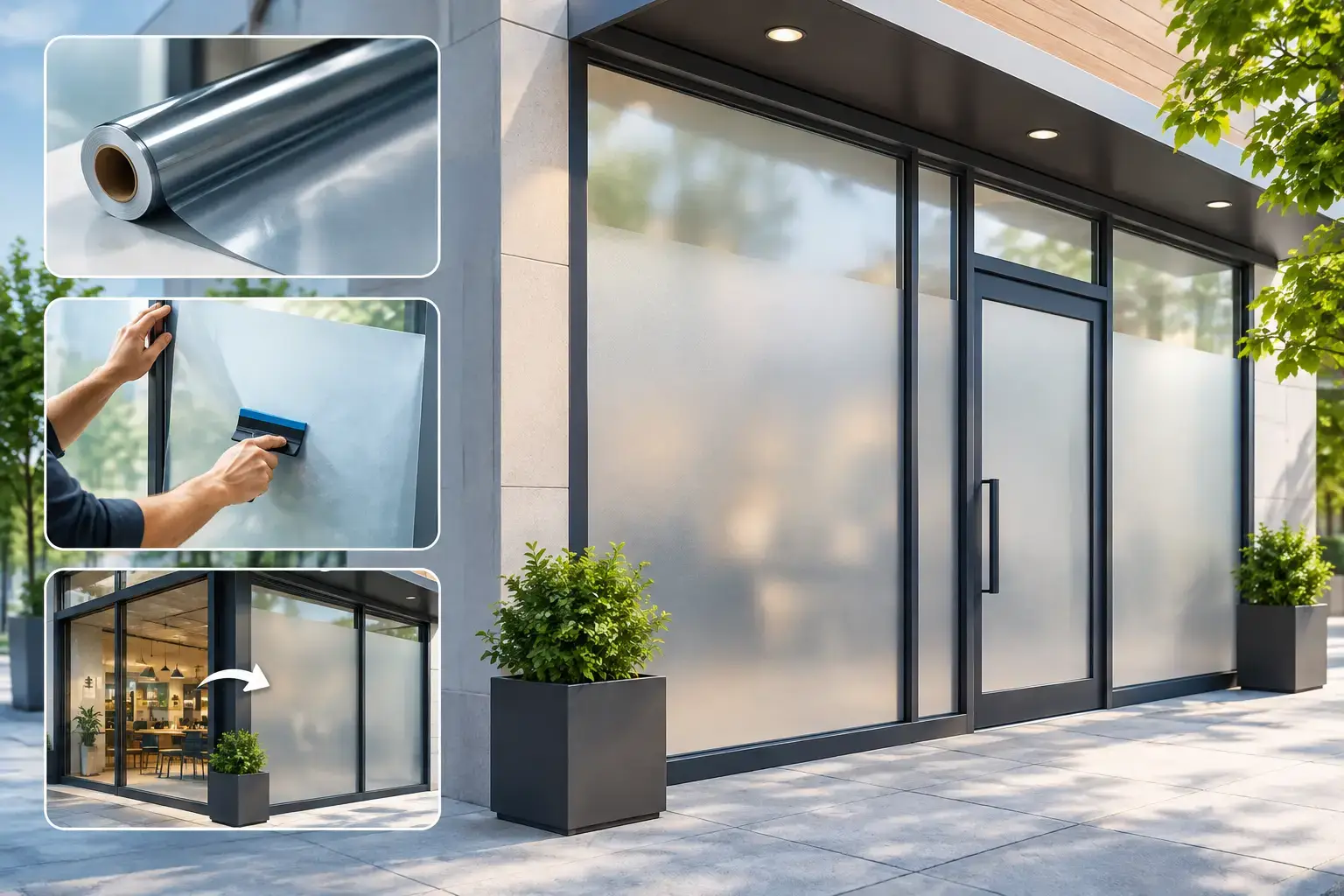
Also consider viewing height. Often, full-window coverage is unnecessary. Applying a frosted band, a gradient, or a custom-cut design to the lower portion of the glass can block direct views into the space while preserving clear views above eye level. This approach can feel lighter and more intentional than covering every pane.
The Best Films for Storefront Privacy by Use Case
Frosted and etched-look decorative film
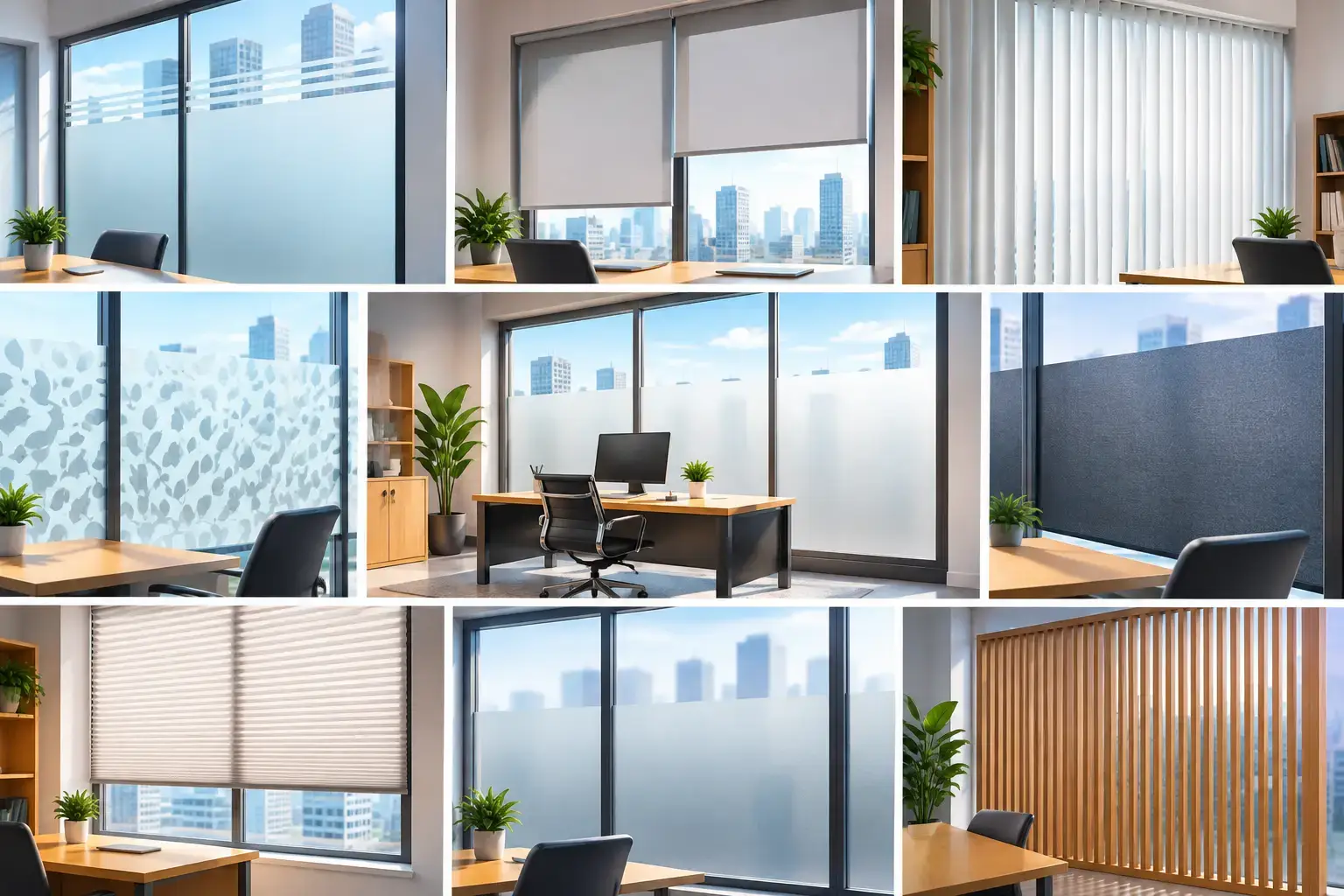
Frosted privacy film is the most dependable choice when consistent privacy matters throughout the day and night. It diffuses visibility from both sides of the glass while still allowing daylight to enter, making it a strong fit for storefronts with street-level windows, interior glass partitions, reception areas, treatment rooms, and back-of-house spaces.
The appearance can range from a soft, sandblasted look to a clean white frost. Decorative options can also incorporate stripes, geometric patterns, gradients, or a company logo. This makes frosted film especially valuable for businesses that want privacy to look like part of the brand rather than an afterthought.
The trade-off is simple: frosted film also limits outward visibility. It is not the best option if a window is a key part of product merchandising or if staff need a clear view of the sidewalk, parking area, or entrance.
Dual-reflective and mirrored daytime privacy film
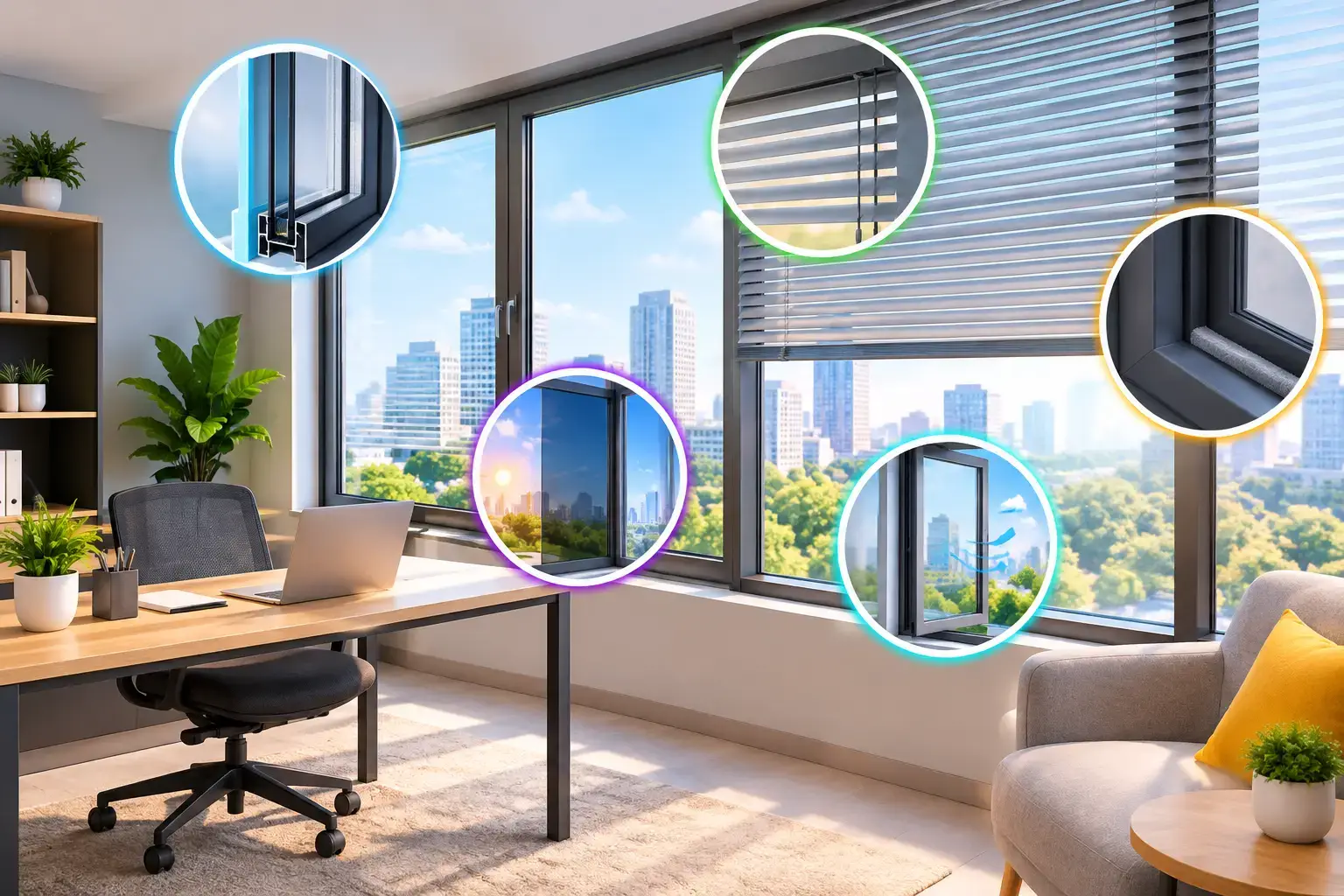
Reflective and dual-reflective films can create a one-way appearance during daylight hours. When exterior light is brighter than interior light, people outside see more reflection, while people inside retain a clearer view outward. These films are popular for offices, showrooms, and storefronts that need daytime discretion along with glare and heat reduction.
For California-facing glass with strong afternoon sun, this option can serve several purposes at once. A professionally selected solar-control film may reduce glare at point-of-sale stations, help maintain more even interior comfort, and filter UV exposure that contributes to fading of flooring, furnishings, packaging, and displays.
However, reflective film is not a 24-hour privacy solution. At night, interior lighting reverses the light balance. Anyone outside may be able to see in unless the business uses shades, blinds, curtains, or a secondary privacy treatment. It works best for locations focused on daytime operations or for upper glass areas where nighttime privacy is less critical.
Blackout film for complete concealment
Blackout film is the direct answer when visibility must be eliminated entirely. It is useful for stockrooms, storage rooms, equipment closets, construction zones, vacant retail spaces, or glass panels that expose an unattractive view. Unlike a dark tint, blackout film fully blocks the view and light through the covered area.
This is a highly practical product, but it should be used with restraint on customer-facing glass. Covering a large storefront window with opaque film can make the space feel closed or reduce valuable daylight. On the other hand, a carefully planned blackout panel can hide a cluttered back room or create a clean background for a window graphic without changing the character of the entire storefront.
Gradient and transitional privacy film
Gradient film offers a middle ground between clear glass and full frost. The film may be more opaque at the bottom, then gradually fade to clear toward the top. This is often a smart fit for reception windows, salons, restaurants, and professional offices where privacy is needed at seated or standing eye level but openness still matters.
A gradient can soften sightlines without turning the storefront into a solid wall. It also works well when a business wants a refined, architectural look rather than a fully obscured window. Because patterns, opacity, and placement vary, a field measurement and visual mockup are useful before installation.
Custom printed privacy film
Custom printed film combines branding and privacy in one surface. A storefront can use brand colors, a logo, campaign graphics, product imagery, or an original pattern while concealing selected views into the business. This approach is especially effective for street-facing windows where the glass should continue working as signage.
Printed film is not automatically opaque, so the material and ink density need to match the privacy goal. A light graphic may be decorative but still leave interior activity visible. A skilled installer can recommend where to use a denser print, where to leave clear viewing areas, and how to align the design across multiple glass panels.
Why Installation Details Affect Privacy Results
Even premium film can look wrong if the layout is not planned carefully. Misaligned bands, uneven spacing around door hardware, visible gaps, or inconsistent opacity across panes can make a storefront look temporary rather than polished. For commercial properties, details such as door swing, emergency exit visibility, existing decals, mullions, and interior lighting all need to be considered before installation begins.
Film selection also affects maintenance and durability. Interior-applied decorative films are protected from weather and are generally straightforward to clean with nonabrasive methods. Exterior applications may be appropriate in certain glazing situations, but they face greater exposure to sun, moisture, and cleaning practices. A professional recommendation should account for the glass type, window condition, exposure, and expected service life.
For leased spaces, film can be a particularly practical privacy upgrade because it is far less disruptive than replacing glass or building permanent partitions. Still, tenants should confirm property requirements, signage rules, and restoration expectations before proceeding.
Pair Privacy Film With the Right Lighting Plan
Privacy is shaped by light as much as by film. A mirrored film can perform well during a bright afternoon, then lose its one-way effect when the store is illuminated after dark. Frosted film remains private, but a brightly lit interior may create silhouettes that some businesses prefer to minimize.
If nighttime discretion matters, use frosted, opaque, or printed privacy film in the most sensitive areas. Consider where interior lights are positioned, too. Moving a fixture away from a window or adjusting its direction can reduce visible shadows and create a more comfortable appearance from the street.
For spaces that need both window display visibility and after-hours concealment, a mixed approach is often best. Keep display glass clear, apply privacy film to back-of-house or lower panes, and use interior shades for closing time. The result feels welcoming during business hours without exposing the entire interior after dark.
Choose a Storefront Film That Supports the Business
The best privacy solution is rarely the one with the darkest appearance. It is the one that gives customers and staff the right level of discretion while preserving light, visibility, branding, and comfort. A thoughtful film plan can also address glare, UV exposure, and visual consistency across the property.
Comfort Pro helps businesses evaluate the glass, sightlines, lighting conditions, and design goals before recommending a film. That consultative step matters because a storefront is one of the first things customers see. With the right material and precise installation, privacy can feel intentional, polished, and completely aligned with how the business wants to be seen.