A west-facing conference room that turns into a sauna at 3 p.m. A storefront where merchandise fades in the window. A medical office where patients feel exposed behind clear glass. These are not small inconveniences when they affect staff comfort, customer experience, operating costs, and the appearance of a property. Commercial tinting addresses these everyday problems with professionally selected and installed window film.
The right film does more than make glass darker. It can reduce solar heat, control distracting glare, block damaging UV rays, add privacy, reinforce vulnerable glass, or transform plain partitions into branded design features. The best result starts by defining what the glass needs to do for the people and business behind it.
What Commercial Tinting Can Solve
Commercial window film is a practical upgrade because it works with the glass already in place. Rather than replacing an entire window system, property owners can improve performance at a fraction of the disruption that glass replacement often requires.
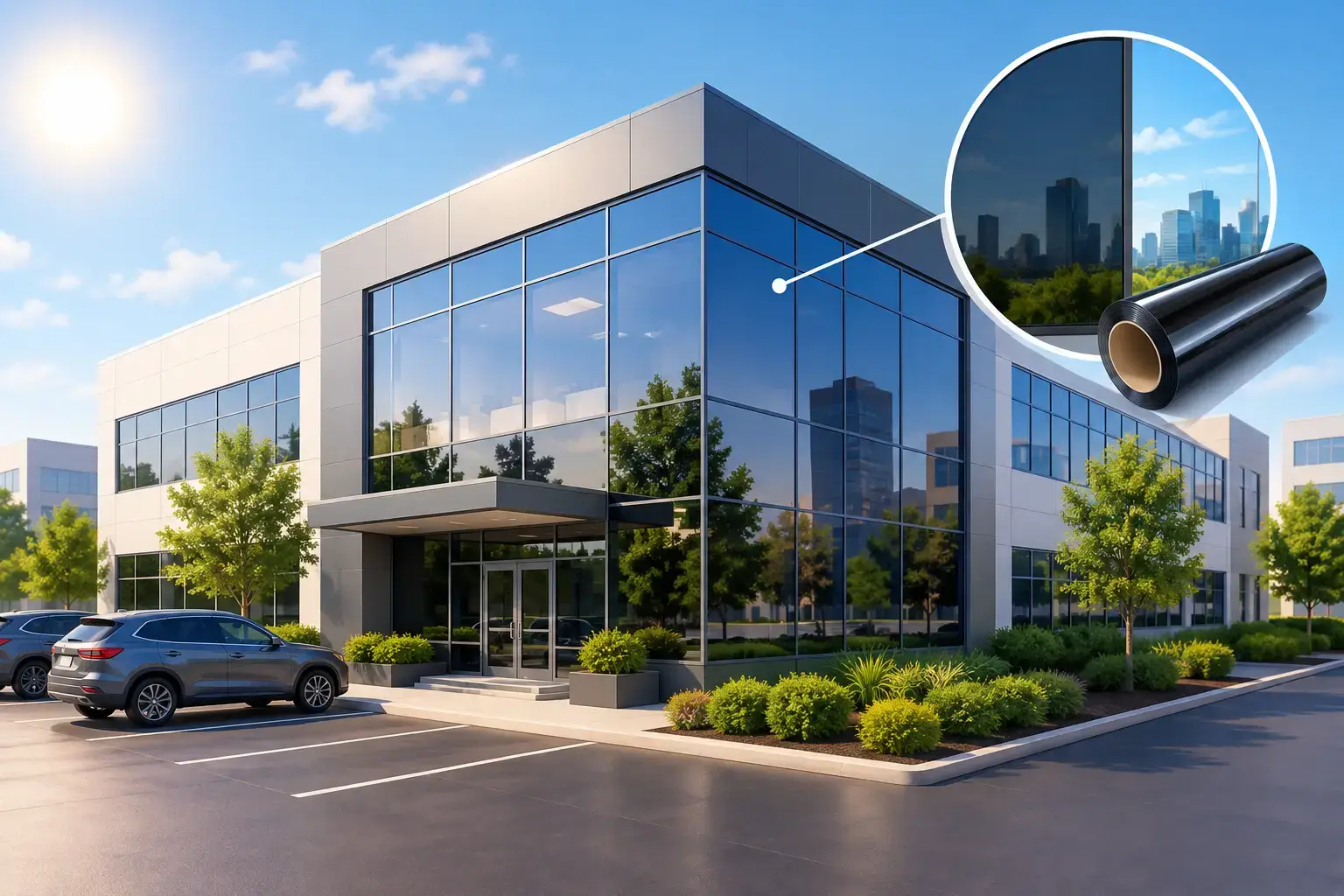
Solar control film is often the first choice for offices, retail spaces, schools, and common areas with strong daylight exposure. Quality films can reject a significant amount of solar energy while reducing glare on screens and work surfaces. In California, where abundant sun is an asset until it overheats a room, the difference can be felt quickly in perimeter offices, lobbies, and storefronts.
UV rejection matters as well. Ultraviolet exposure contributes to fading in flooring, furniture, artwork, displays, and finishes. Window film helps preserve those investments without forcing a business to close blinds and lose natural light all day.
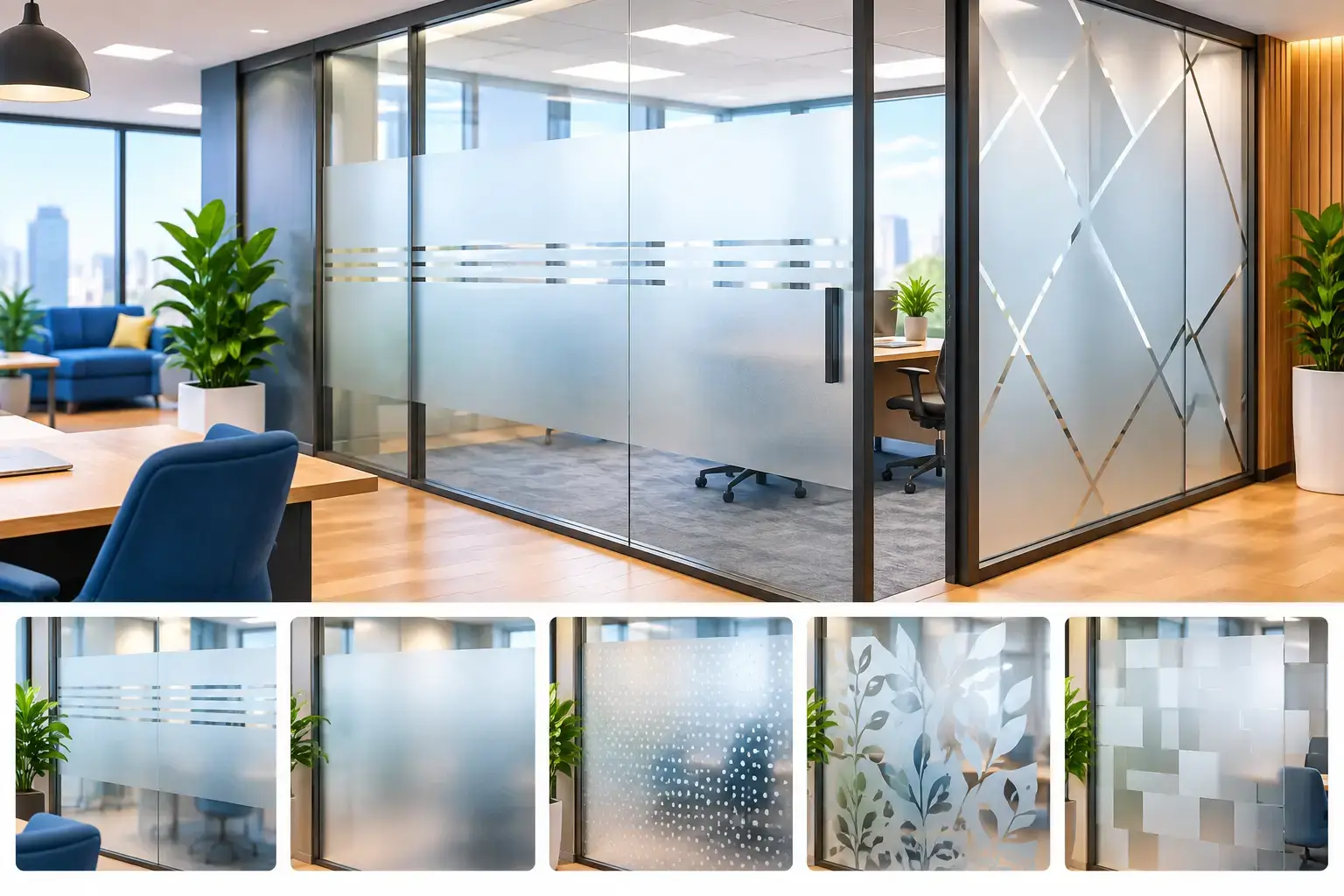
Privacy is another common reason to consider film, but privacy does not always mean a dark reflective appearance. Frosted, gradient, patterned, and custom printed films can obscure a direct view while keeping a space bright and intentional. They are especially useful for interior office partitions, street-level meeting rooms, healthcare facilities, salons, and glass entryways.
Security and safety films serve a different purpose. They are designed to help hold broken glass together after impact, reducing the spread of shards and making forced entry more difficult. They are not a substitute for a complete security plan, and the right attachment method matters, but they can be a valuable layer of protection for vulnerable glass.
Choosing Commercial Tinting by Use Case
There is no single best film for every commercial property. A facility manager looking to reduce hot spots has different priorities than a retailer protecting displays or a school improving glass safety. A professional consultation should begin with the location, orientation, glass type, room use, and performance goal for each area.
For heat, glare, and energy efficiency
If a space is uncomfortable because of afternoon sun, focus on solar performance rather than appearance alone. A very dark film may cut visible light, yet a lighter, spectrally selective film can often reject substantial heat while keeping the room open and naturally lit. That is an important distinction in workplaces where daylight and exterior views support a better environment for employees and visitors.
Ask about visible light transmission, glare reduction, total solar energy rejection, and compatibility with your existing glass. These specifications help explain how a film will look and perform. They also prevent a common mistake: choosing a film based only on a small sample without considering the window’s size, orientation, and surrounding conditions.
For privacy and visual design
Decorative film offers a clean alternative to permanent etched glass or constantly closed blinds. A frosted band can give a conference room privacy while preserving sightlines above and below. A custom printed film can carry a logo, wayfinding element, or brand pattern across glass partitions. For retail and hospitality spaces, this can turn unused glass into part of the customer experience.
The trade-off is that privacy levels depend on lighting. A film that obscures a view in daylight may appear less private at night when interior lights are on. For spaces with sensitive information or frequent after-hours use, discuss this condition before selecting a design.
For glass safety and security
Safety film is often considered after an incident, but it is more useful as a proactive improvement. It can help retain broken glass from accidental impact, weather events, or attempted intrusion. Schools, street-facing businesses, public facilities, and properties with large glass doors may all benefit from an assessment.
Performance depends on more than film thickness. Glass size, frame condition, the type of impact concern, and whether the film is anchored to the frame all affect the final result. Clear communication here matters. A responsible installer will explain what the product is designed to do and what it cannot guarantee.
Details That Determine Long-Term Performance
Commercial tinting is not simply a matter of applying material to a pane of glass. Film selection, surface preparation, installation technique, and post-installation care all influence the outcome.
Before installation, each glass type should be evaluated. Some insulated units, tempered glass, laminated glass, and specialty glazing systems have specific compatibility considerations. Applying the wrong product can increase thermal stress or affect manufacturer coverage. That does not mean film is unsuitable for these windows. It means the recommendation should be based on the actual glazing, not assumptions.
A careful site review also identifies practical details that are easy to miss during a quick quote. Are there blinds, access restrictions, security sensors, close-fitting frames, or tenant operating hours to work around? Does an installation need to happen before opening, after closing, or in phases to minimize disruption? For multi-property managers, consistent film specifications and documented installation areas make future maintenance much easier.
Precision installation is visible in the finished work. Clean edges, proper trimming, uniform alignment, and a dust-free appearance matter, especially on interior glass and customer-facing storefronts. Some moisture haze or small water pockets can be normal while film cures, depending on the product and conditions. A qualified installer should set clear expectations about the curing period and cleaning practices.
How to Evaluate a Commercial Film Proposal
A low price can be appealing, but it does not always reflect the full cost of ownership. Commercial film should be evaluated as a performance upgrade, not just a cosmetic purchase. A clear proposal should identify the film type, the intended benefit, the covered glass areas, and the installation approach.
When comparing options, look for four things:
- Performance data that matches your primary concern, whether that is heat, glare, UV, privacy, or security.
- Confirmation that the recommended film is appropriate for your existing glass and window system.
- A defined workmanship and product warranty, including who will handle questions after installation.
- A realistic installation plan that respects tenants, customers, employees, and business hours.
It also helps to view samples against the actual glass at the property. Film can look different depending on interior lighting, exterior reflections, glass color, and what sits behind the window. For a large project, a test installation on one representative pane can provide useful confidence before the work moves forward.
Where the Investment Delivers Value
The return from commercial tinting is not always captured in one line item. Lower solar gain may reduce strain on cooling systems, but property owners also see value in fewer glare complaints, more usable workstations, protected interiors, improved tenant appeal, and a more polished visual environment.
For retail operators, a comfortable front-of-house area and better-protected merchandise support the customer experience. For offices, less glare can make window-side desks productive again. For healthcare and professional settings, privacy film can improve discretion without making rooms feel closed in. The right application connects directly to how a space is used.
Comfort Pro approaches commercial projects with that practical mindset: understand the problem first, recommend the right film for the glass and environment, and install it with care. A thoughtful assessment can turn an underperforming window into a more comfortable, private, efficient, and dependable part of your property.