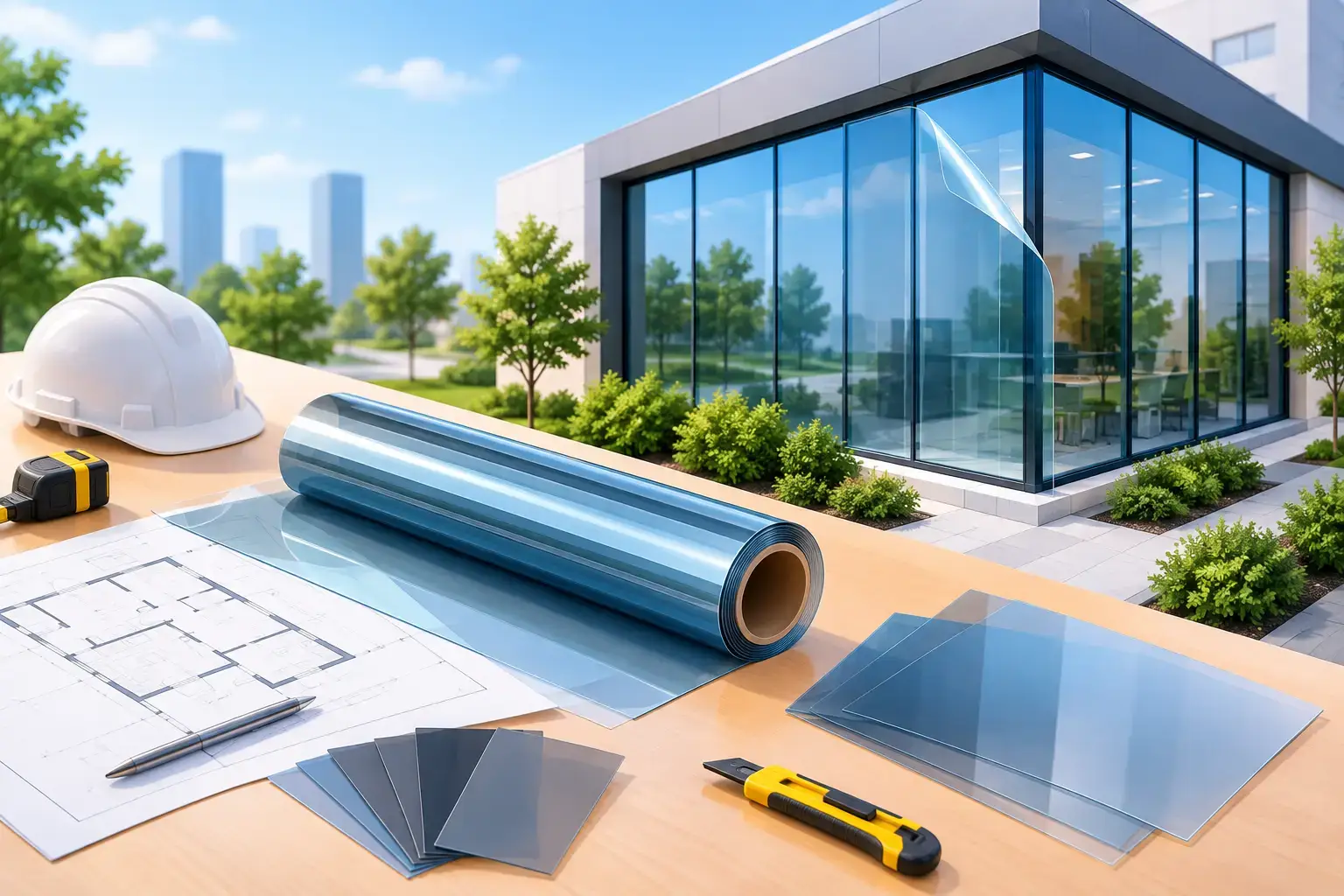

A retail window does more than separate your store from the street. It displays merchandise, sets the tone for the customer experience, and can be one of the most exposed surfaces on the property. Learning how to protect retail windows means planning for more than a broken pane. Sun exposure, graffiti, scratches, forced-entry attempts, glare, and routine cleaning can all shorten the life and appearance of storefront glass.
The right solution depends on the risks your location faces, the type of glass already installed, and how you want the storefront to look. A thoughtful protection plan can preserve visibility while reducing damage, disruption, and replacement costs.
Start With the Risks Facing Your Storefront
Retail windows are not all vulnerable in the same way. A boutique with direct afternoon sun may be primarily concerned with fading displays and uncomfortable glare. A street-facing shop in a busy commercial corridor may need better protection from tagging, impact damage, or smash-and-grab incidents. A center with frequent deliveries may see scratches and scuffs near entry doors instead.
Before selecting a product, walk the exterior and interior of the space. Look for existing scratches, etched graffiti, seal failures, chips at the glass edges, faded fixtures, and areas where heat or glare affects employees or shoppers. Also consider when the store is unoccupied. Windows that look fine during business hours may be more exposed after closing.
This assessment matters because one film is not automatically the answer to every problem. Security film, solar control film, anti-graffiti film, and decorative privacy film each solve different challenges. In many retail spaces, the best result comes from combining protections where they make sense.
Use Security Film to Help Hold Broken Glass Together
Security and safety window film is often the most practical upgrade for storefronts concerned about impact and forced entry. Applied to the interior surface of glass, this clear, heavier-gauge film is designed to help retain fragments when glass breaks. Instead of immediately falling inward or outward in loose shards, the broken glass is more likely to stay attached to the film.
That added retention can reduce the immediate hazard to employees and customers, protect inventory from flying glass, and create an extra obstacle during a break-in attempt. It can also be valuable for glass near entrances, checkout areas, display cases, and pedestrian walkways.
Security film does not make ordinary glass unbreakable. A determined impact can still crack or penetrate the glass, particularly without the appropriate attachment system around the frame. Its value is in slowing the process, helping contain fragments, and giving people more time to respond. For higher-risk locations, a professional should evaluate the glass type, frame condition, glazing system, and whether a structural attachment method is appropriate.
For retail operators, that distinction is worth understanding. A film installed with precision and selected for the specific glass system will perform more predictably than a one-size-fits-all approach.
Consider after-hours protection as part of the plan
Security film works best alongside sensible storefront practices. Keep high-value merchandise away from the glass when possible, maintain clear sight lines inside the store, and confirm that lighting and cameras cover entry points. Film is a physical layer of protection, not a replacement for broader security procedures.
If your business uses temporary boards after an incident, consider the operational cost as well. Boarded windows can hide merchandise, make the storefront look closed, and interrupt sales. Reducing glass fallout and limiting damage can help make recovery faster.
Protect Retail Windows From Graffiti and Scratches
Etched graffiti is especially frustrating because it cannot always be cleaned off. Acid etching, deep scratching, and abrasion can permanently damage the surface of the glass, often leading to expensive replacement. Anti-graffiti film creates a sacrificial barrier over the glass. When the surface is tagged, scratched, or marked, the film can be removed and replaced without replacing the window itself.
This option is useful for street-level windows, glass doors, transit-adjacent locations, shopping centers, and properties with a history of vandalism. It can also protect other smooth surfaces, such as metal panels, mirrors, and certain interior partitions, when the correct product is specified.
The trade-off is straightforward: anti-graffiti film is intended to be replaceable. It should be viewed as a serviceable protective layer, not a permanent cure for repeated vandalism. However, replacing film is typically cleaner, faster, and less disruptive than sourcing and installing new storefront glass.
Routine scratches deserve attention, too. Frequent cleaning with abrasive pads, dry wiping dusty glass, or dragging signs against a window can create visible wear over time. Train staff to use clean microfiber materials and approved cleaners. If scratches are already present, professional glass restoration may improve the surface before a protective film is applied.
Reduce Heat, Glare, and UV Damage With Solar Film
For retail spaces with large front windows, sunlight can be both an asset and a daily operating problem. Natural light makes a storefront more inviting, but untreated glass can bring in heat, glare, and ultraviolet exposure that affects merchandise, flooring, signage, and display materials.
Solar control window film helps reject a portion of solar heat and reduce glare while maintaining the daylight and outward visibility that retailers want. Depending on the film selected, it can also block a significant amount of UV radiation, helping protect fabrics, packaging, artwork, and finishes from premature fading.
The right shade and performance level depend on the glass orientation and your priorities. A darker film may cut more glare but can alter the appearance of the storefront or reduce visibility into the store after sunset. A lighter, more neutral film may preserve a brighter look while still improving comfort. In Southern California, where west-facing glass can become a major heat source, this decision can have a noticeable effect on employee comfort and cooling demand.
Ask for film samples and view them on the actual glass before approving a large installation. Glass color, interior lighting, exterior reflections, and surrounding buildings all affect how a film will look once installed.
Add Privacy Without Closing Off the Store
Some retail windows need selective privacy rather than full coverage. Treatment rooms, stock areas, offices, fitting-room corridors, and back-of-house spaces may benefit from decorative or frosted film. These films can obscure unwanted views while allowing light to pass through.
A partial design is often more effective than covering the entire window. Frosting the lower portion of a pane can screen clutter or private work areas while preserving an open storefront above. Custom printed film can also incorporate branding, hours, wayfinding, or seasonal graphics without the permanence of etched glass.
The practical question is what customers need to see and what employees need to keep private. A precise layout keeps the window working for both purposes.
Maintain the Film and the Glass Correctly
Protection is only as useful as the condition of the surface beneath it. Inspect retail windows regularly for lifted edges, chips, cracks, moisture intrusion, or damaged seals. Addressing small issues early can prevent a larger failure and helps preserve a clean storefront appearance.
After film installation, follow the installer’s curing and cleaning guidance. Some moisture or a slightly hazy appearance can be normal while a newly applied film cures. Avoid scraping the film, using harsh abrasive cleaners, or applying tape directly to the surface unless the manufacturer confirms it is safe.
For day-to-day care, use a soft cloth or clean rubber squeegee with a mild, film-safe cleaning solution. Clean from the top down, and replace cloths that have collected grit. This simple habit reduces the chance of dragging abrasive debris across the glass.
Work With a Professional Who Evaluates the Whole System
Retail glass protection is not just about choosing a product from a sample book. Film compatibility can vary based on the glass type, existing coatings, frame system, age of the window, and exposure to heat. Incorrect product selection can affect appearance, performance, or, in some cases, glass stress.
A professional consultation should include a close look at the windows, a discussion of your most pressing concerns, and a clear recommendation that explains the trade-offs. For example, a store focused on vandalism may prioritize anti-graffiti film, while a retailer with high-value displays near the glass may benefit more from security film and UV control. A busy location may need both.
Precision installation matters just as much as product quality. Clean preparation, careful edge work, and accurate alignment make the difference between film that looks like an intentional upgrade and film that distracts from the storefront. Comfort Pro approaches retail projects with that level of care, helping business owners choose protection that fits the space, the risk, and the customer experience.
Your windows should invite people in, not become a recurring maintenance expense. Start with the problem you want to prevent, then choose a protective layer that keeps the storefront clear, comfortable, and ready for business.