A sun-filled room can be one of the best features of a home, office, or retail space – until the floor near the windows turns unevenly pale, upholstery loses its original color, and merchandise starts looking tired. Knowing how to stop sun fading means managing the light and heat entering through glass before they reach the finishes, furnishings, and products you paid to protect.
Sun fading is rarely caused by one factor alone. Ultraviolet rays are a major contributor, but visible light and solar heat also affect dyes, pigments, wood finishes, fabrics, artwork, flooring, and plastics. That is why closing blinds occasionally may help, but it often does not provide the consistent protection a bright room needs.
Why Sun Fading Happens Near Windows
Most glass allows a significant amount of solar energy into a building. Standard windows may block some ultraviolet radiation, but they do not eliminate the combination of UV exposure, intense visible light, and heat that can gradually alter interior materials.
Fading is most obvious on items with rich color or natural finishes. Hardwood and luxury vinyl flooring can develop lighter strips near patio doors. Rugs may fade in a pattern that matches the window line. Leather furniture can dry and change color. In commercial settings, direct sun can affect retail displays, product packaging, lobby furniture, wall graphics, and office finishes.
The rate of change depends on the material, the orientation of the glass, the amount of direct exposure, and the local climate. South- and west-facing windows often receive the strongest afternoon sun, particularly in California properties where clear, bright conditions are common for much of the year. Even indirect daylight can create cumulative damage over time.
How to Stop Sun Fading at the Window
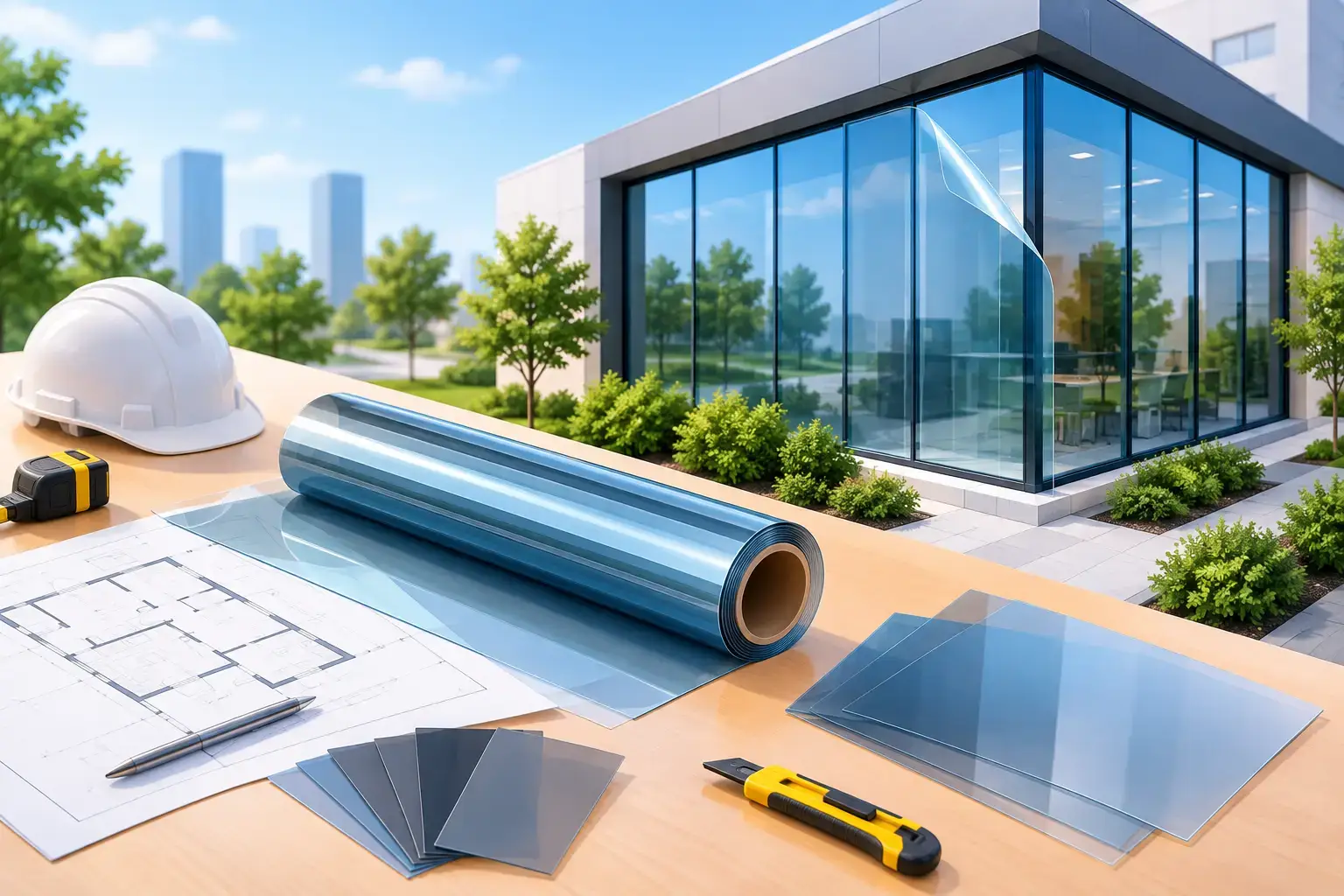
The most effective approach is to reduce damaging solar exposure at the glass while keeping the natural light that makes the space enjoyable. Professionally installed solar control window film is often the strongest long-term option because it works continuously without requiring anyone to adjust shades throughout the day.
Quality window films are designed to reject the vast majority of UV rays while also reducing glare and managing solar heat. Depending on the film selected, they can filter a meaningful portion of visible light as well. This matters because fading is not simply a UV problem. A film that addresses multiple contributors provides more complete protection for interiors.
For homeowners, the result can be a more comfortable living room, kitchen, or bedroom with less harsh light across floors and furniture. For businesses, it can help preserve inventory and finishes while making workspaces, reception areas, and customer-facing windows more comfortable to occupy.
Film is not a promise that an exposed item will never change color. No solution can fully stop the natural aging of materials, especially delicate fabrics, artwork, and organic finishes. It is a practical way to slow the process substantially and reduce the uneven fading that makes an interior look worn before its time.
Choose Film Based on the Glass and the Goal
Not every window needs the same film. A bright west-facing wall of glass may need stronger heat and glare reduction, while a storefront may prioritize clear views and color-neutral light. A residence with decorative furnishings may need high UV protection without making the room feel noticeably darker.
The glass itself also matters. Single-pane, insulated, tempered, laminated, tinted, and low-emissivity glass can each have different considerations. Applying the wrong product to the wrong glass can create performance concerns or affect warranty coverage. A professional evaluation should identify the glass type, window orientation, interior use, and desired appearance before recommending a film.
This is where precision installation matters as much as the product. Properly fitted film should look clean at the edges, perform consistently across the glass, and support the intended balance of protection, comfort, and appearance.
Add Layers of Protection for Valuable Interiors
Window film provides a dependable first line of defense, but high-value or highly sensitive items benefit from additional care. Thoughtful placement and simple operational habits can further limit direct exposure.
Move artwork, heirlooms, leather pieces, and delicate textiles out of the strongest direct sun where possible. Rotate area rugs, furniture, and retail displays periodically so one section does not receive all the exposure. For merchandise displays, avoid placing color-sensitive products directly against a sun-facing window.
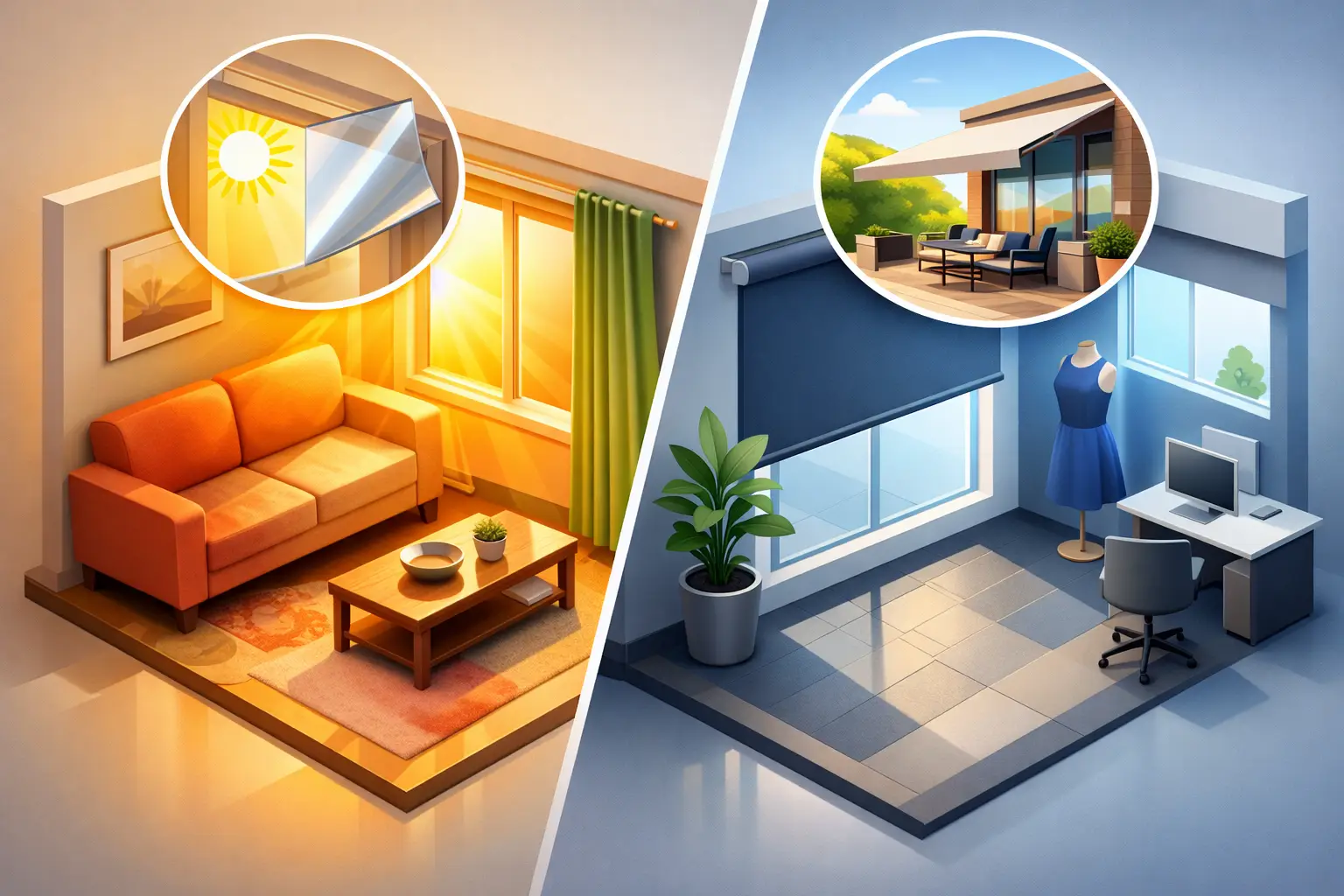
Shades, blinds, and drapery can add another layer during the hours when sunlight is most intense. They are especially useful for rooms with occasional extreme exposure, but they work best as a complement to film rather than the only plan. Shades must be closed consistently to protect interiors, and fully drawn coverings can also remove the daylight and views people want from the space.
For commercial properties, operational controls matter. Facility managers can set shading schedules for conference rooms, waiting areas, and display zones. Retail operators can train staff to adjust interior displays and use window coverings when direct sunlight is at its peak. These small decisions can extend the life of expensive finishes and help preserve a more consistent visual presentation.
Do Not Overlook Heat and Glare
Sun fading often gets attention after color has already changed, but glare and heat are earlier signs that a window is allowing too much solar energy into the room. If employees are closing blinds to see their monitors, customers are avoiding window-side seating, or one side of a room is consistently hotter than the other, solar control may be needed.
Reducing glare improves daily usability. Reducing heat can ease the strain on cooling systems and make perimeter spaces more comfortable. Those benefits are separate from fade protection, but they come from addressing the same source: uncontrolled solar exposure through glass.
The trade-off is visible light transmission. Films with stronger heat and glare reduction may make a window look slightly darker or more reflective from certain angles. In many rooms, that trade-off is worthwhile. In others, a lighter, more neutral film may better preserve the open feel of the space. The right choice depends on how the room is used, what is being protected, and how much direct sun it receives.
Know When Existing Damage Can Be Repaired
If fading has already occurred, prevention is still worthwhile. Protecting the space now can keep the difference from becoming more pronounced and help preserve replacement materials, new furnishings, or refinished surfaces.
Some damage may be improved. Certain wood surfaces can be refinished, and some faded displays or furnishings can be replaced or repositioned. Glass scratches, mineral buildup, and surface damage may also be candidates for professional restoration or protective film, depending on the condition of the material. However, sun-faded dyes and pigments usually cannot be restored to their original color with cleaning alone.
That is why early action matters. A window film consultation is most valuable before a new floor, furniture investment, remodel, or retail refresh has spent years in direct sun. It can also be a smart part of a broader property maintenance plan for offices, healthcare spaces, schools, and multi-unit buildings.
A Practical Plan for Sun-Facing Rooms
Start by walking through the property at different times of day. Look for bright patches on floors, glare on screens, hot seating areas, faded edges on rugs, and displays positioned in direct sun. Photographing these conditions can help reveal patterns that are easy to miss during a busy day.
Next, identify what is worth protecting. This may be a new hardwood floor, a collection of merchandise, lobby seating, framed art, or simply the comfort of people using the room. Then evaluate the window orientation, glass type, and aesthetic expectations. A professional can translate those details into a film recommendation that fits the property instead of offering a one-size-fits-all answer.
Comfort Pro helps homeowners and commercial property teams evaluate solar control window film with a focus on real-world results: less glare, more comfortable rooms, improved UV protection, and a cleaner, professionally finished appearance. The best time to protect an interior is while it still looks exactly the way you want it to.