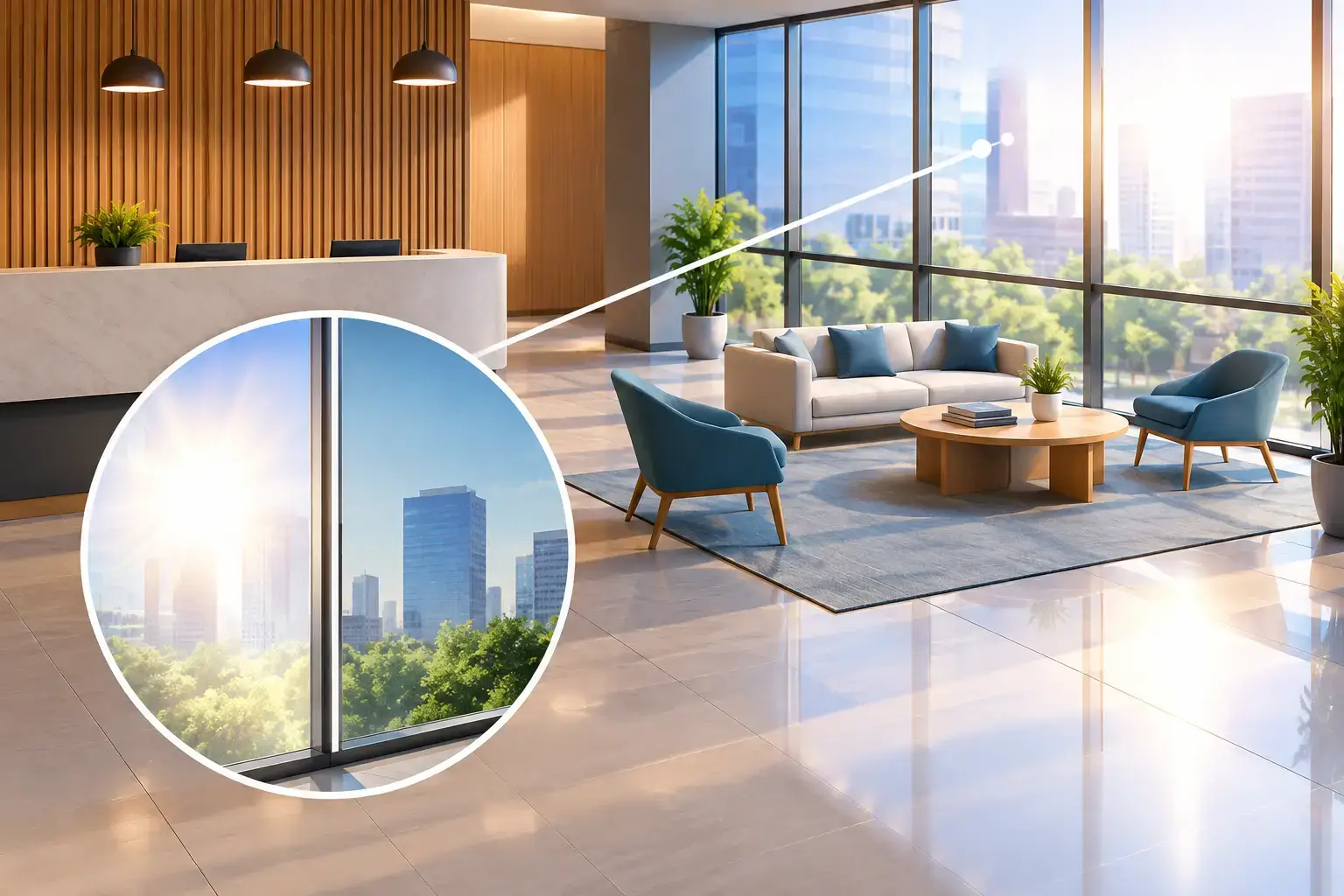
A bright lobby can make a powerful first impression – until guests are shielding their eyes at the reception desk, staff cannot read monitors, and polished floors reflect harsh sunlight across the room. The right strategy can reduce lobby glare while preserving the open, welcoming daylight and exterior views that make the space feel premium.
For property managers, business owners, and facility teams, glare is more than a minor annoyance. It affects comfort, productivity, accessibility, presentation quality, and sometimes even the perceived condition of the property. Addressing it properly begins with understanding where the glare originates and choosing a solution that fits the glass, orientation, design goals, and daily use of the lobby.
Why Lobby Glare Becomes a Business Problem
Glare occurs when sunlight is significantly brighter than the surrounding field of view. In a lobby, that contrast may come directly through glass or indirectly from reflective flooring, white walls, stone surfaces, furniture, display cases, and glossy screens. A lobby can have acceptable room temperature and still feel uncomfortable because the light is difficult to look toward.
The issue is especially common in buildings with expansive glass walls, west- and south-facing entrances, tall atriums, and reception areas positioned near exterior windows. California properties often experience strong, consistent sunlight that shifts throughout the day and across seasons. What appears manageable during a morning walkthrough may become disruptive during afternoon check-in hours.
The effects are easy to recognize: visitors move away from sunny seating areas, reception staff adjust monitor angles repeatedly, digital directories become hard to read, and employees lower shades that leave the lobby looking closed off. Excessive glare can also make a well-designed interior appear less comfortable and less considered.
Start by Identifying the Source of the Glare
Not every glare problem calls for the same film or shading approach. Before selecting a solution, observe the lobby at the times when complaints are most frequent. Note which windows are involved, where people sit or stand, and which surfaces reflect light into the space.
Direct glare typically occurs when the sun is visible from a seated or standing position. Indirect glare happens when daylight strikes a shiny interior surface and bounces toward occupants or screens. Both can occur at once, particularly in modern lobbies with glass, metal, polished concrete, tile, or light-colored stone.
It also helps to separate glare from heat. Solar heat can make an entrance zone uncomfortable, but a darker treatment chosen only for heat reduction may be more than the space needs. Conversely, a film with excellent visible-light control may be appropriate for screen visibility even when the HVAC system is already keeping temperatures stable. A professional evaluation considers both factors rather than treating them as interchangeable.
Consider the Building’s Orientation and Use
East-facing lobbies tend to experience their most intense glare early in the day, while west-facing glass can create difficult conditions during afternoon arrivals and evening business hours. South-facing glass may receive extended sun exposure, depending on overhangs and nearby structures. North-facing areas can still experience reflected glare from sidewalks, adjacent buildings, water, or bright hardscaping.
Use matters just as much as orientation. A hospitality lobby, medical reception area, corporate entrance, retail storefront, and multifamily leasing office each have different visual priorities. A medical waiting area may need comfortable, soft light and privacy. A retail lobby may need clear product visibility. A corporate reception area may want to retain dramatic views while improving monitor readability behind the desk.
Window Film Can Reduce Lobby Glare Without Closing the Space
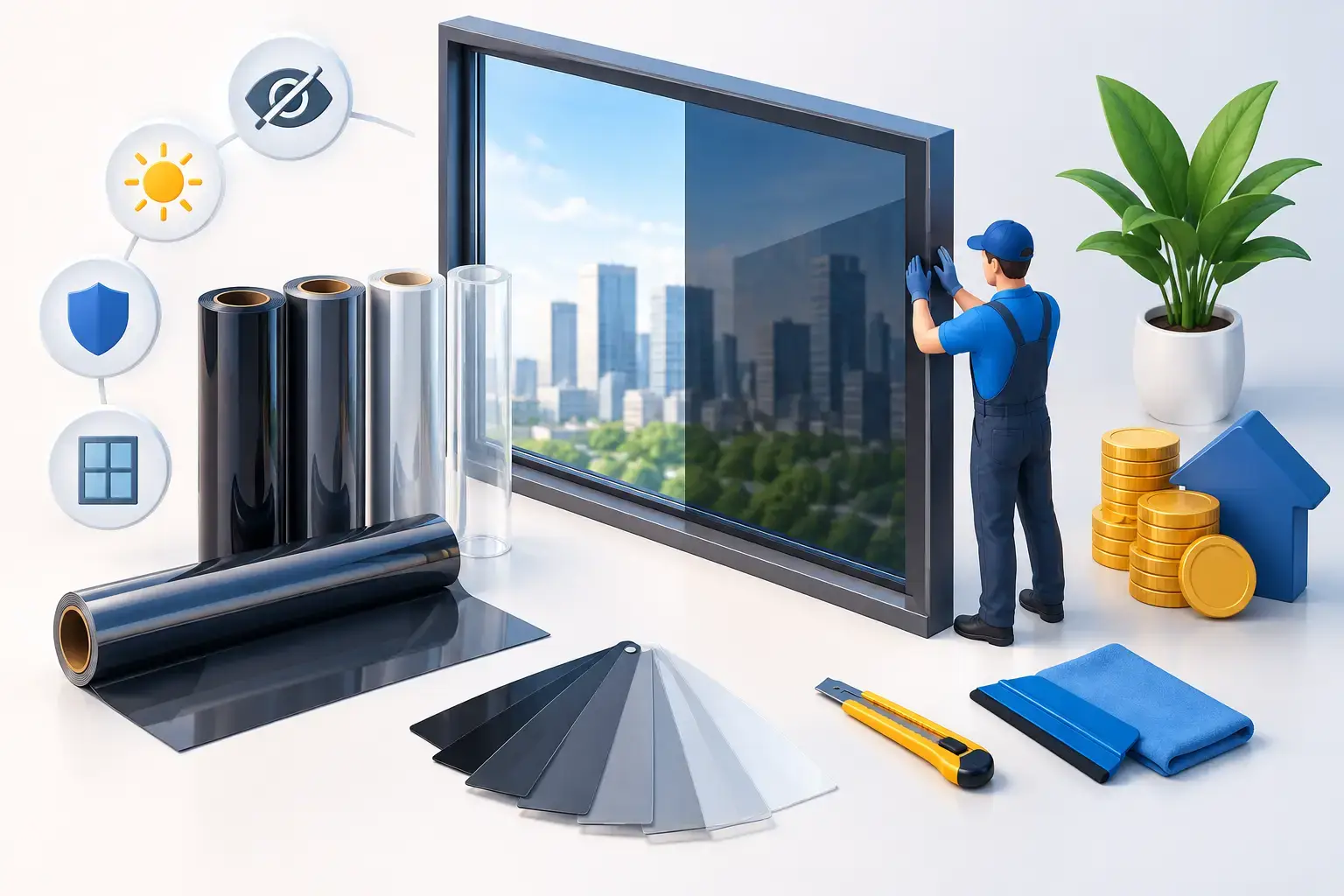
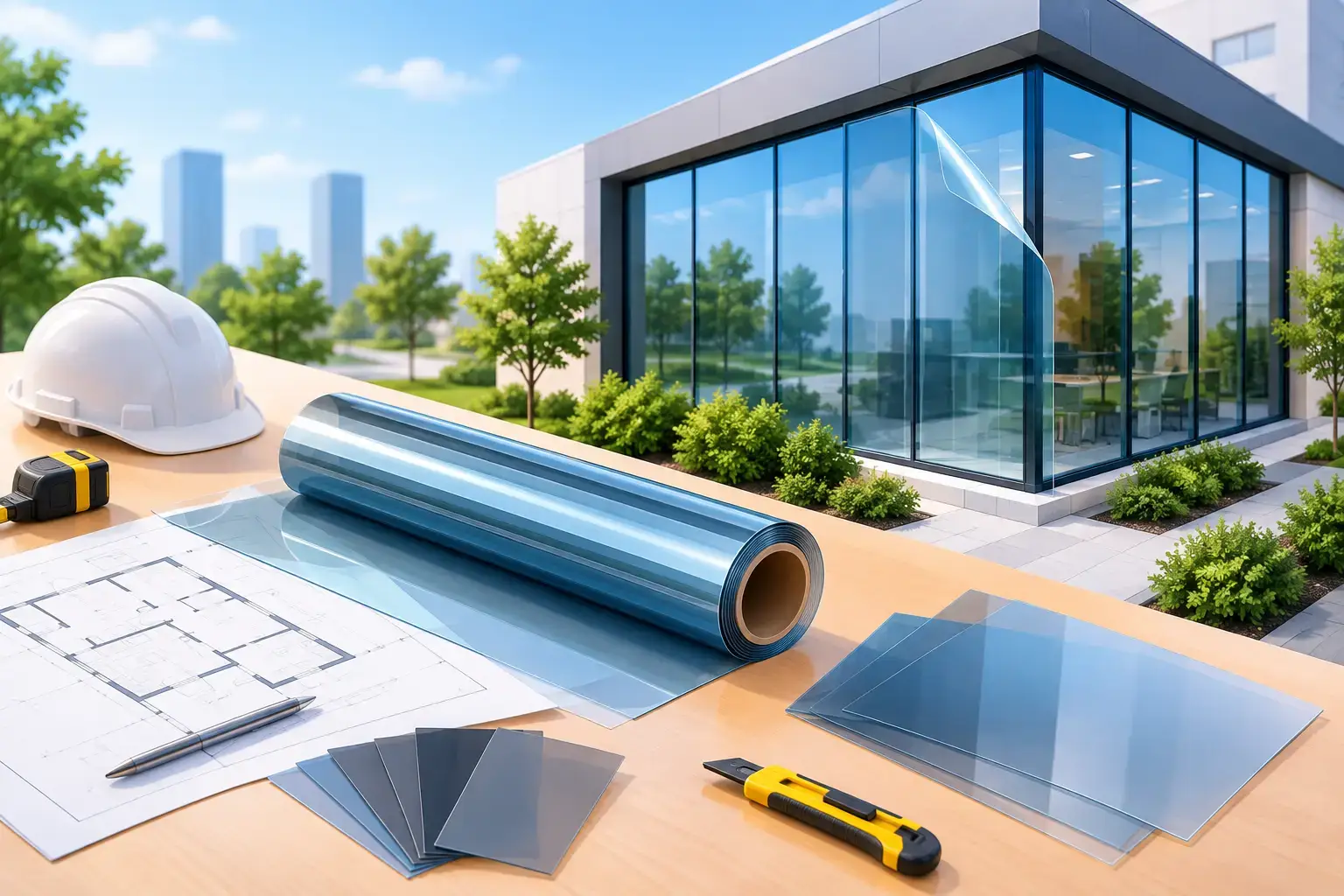
Professionally installed solar control window film is often one of the most effective ways to manage glare while maintaining daylight. The film is applied directly to existing glass and can reduce excessive visible light, reject solar energy, and filter UV exposure without requiring a major renovation.
The key is selecting the right visible light transmission, or VLT. A lower VLT film allows less visible light through the glass and generally provides stronger glare reduction. However, lower is not automatically better. A very dark film can change the exterior appearance of the building, make the lobby feel dim on cloudy days, and alter views more than the property intends.
For many lobbies, the best result comes from a balanced film that cuts the harshest brightness while preserving a natural interior appearance. Modern spectrally selective films can provide meaningful solar control with a lighter look than traditional dark tint. This makes them especially useful when the goal is to protect comfort and visual clarity without sacrificing the architectural feel of the space.
What Film Selection Should Account For
A quality recommendation should account for more than a sample held against the window. Glass type, pane configuration, existing coatings, frame condition, and the building’s design all matter. Some glass systems have specific compatibility requirements, and the wrong product can create unnecessary thermal stress concerns or performance disappointments.
Appearance matters, too. A neutral film may suit a professional office or healthcare lobby, while a subtly reflective option may work well on a contemporary commercial facade. Decorative film can help in areas where privacy and glare control overlap, such as sidelights beside a reception desk or glass partitions near a bright entrance.
Comfort Pro approaches film selection as a performance and design decision. The objective is not simply to make glass darker. It is to improve the way the lobby works for the people using it every day.
Combine Film With Interior Design Choices When Needed
Window film handles light at the glass, but interior finishes can either support or undermine the result. If indirect glare remains an issue, consider whether highly reflective surfaces are amplifying the problem. A change in the placement of a reception desk, seating group, digital display, or sign can sometimes improve comfort without changing the architecture.
Matte finishes around workstations can reduce reflections on screens. Area rugs, textured wall materials, and lower-sheen furniture surfaces may soften reflected light in key zones. These adjustments do not replace solar control film when direct sunlight is the primary problem, but they can make a well-planned film installation even more effective.
Shades are another option, particularly when occupants need occasional full light control. Their trade-off is operational: shades require adjustment, can block views, may look inconsistent when left at different heights, and can collect dust in high-traffic settings. Window film works continuously, with no daily effort from staff, while shades can provide an additional layer for unusually bright periods or presentation needs.
Protect More Than Visual Comfort
When glare is reduced with quality solar control film, the benefits can extend beyond easier screen viewing. Many films help reject ultraviolet rays that contribute to fading of flooring, upholstery, artwork, merchandise, and wood finishes. They can also reduce solar heat gain near glass, which may help create a more consistent temperature across the lobby.
The degree of improvement depends on the film chosen, the amount of glass, local sun exposure, and the building’s existing HVAC performance. It is better to set realistic expectations based on the specific property than to promise a single outcome for every lobby. Still, for buildings with recurring sun complaints, the combined comfort and protection benefits can be substantial.
For lobbies with large public-facing windows, film can also preserve a cleaner visual experience than frequent temporary fixes. Makeshift blinds, signs taped to glass, or constantly relocated furniture can signal that the space is struggling to function. A carefully selected film addresses the issue with a finished, intentional appearance.
Plan Installation Around Lobby Operations
A professional installation process should respect the fact that a lobby is a public-facing area. Before work begins, confirm access requirements, operating hours, furniture protection needs, security procedures, and any tenant or visitor considerations. In many cases, installation can be scheduled in phases or during lower-traffic periods to limit disruption.
The glass must be properly cleaned and prepared so the film can adhere correctly. Precision trimming and careful edge work are essential, particularly around large panes, door glass, sidelights, and architectural details. After installation, temporary moisture or a slightly hazy appearance can occur during the curing period, depending on the product and conditions. This is normal and should be explained clearly before the project starts.
Ask for samples and view them on the actual glass whenever possible. Indoor lighting, outdoor reflections, and surrounding finishes can make a film look different in a sample book than it does across an entire lobby wall. A site-specific review gives decision-makers a more reliable sense of daytime appearance, privacy, and view quality.
A Better First Impression Starts With Comfortable Light
The best lobby lighting feels intentional: bright enough to be inviting, controlled enough to be comfortable, and consistent enough for staff and visitors to use the space with ease. By evaluating glare at its source and selecting film for the real conditions of the building, property teams can protect daylight without asking people to tolerate its harshest effects.
A well-executed glare-control upgrade should not call attention to itself. It should simply make the lobby feel better from the moment someone walks through the door.